IMD Warns of Cold Wave, Dense Fog, and Western Disturbance Impacting North India
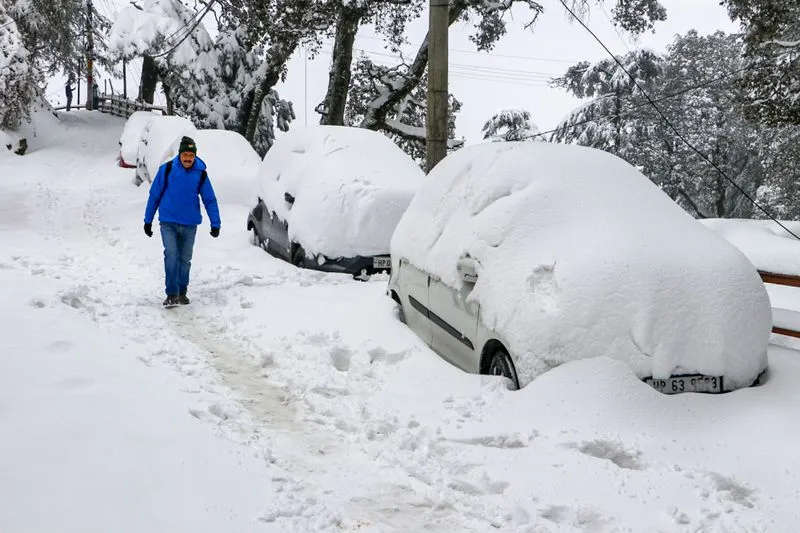
North India is experiencing a sharp drop in temperatures following recent rainfall and snowfall, with cold wave conditions and dense fog forecasted in several states including Himachal Pradesh, Punjab, Haryana, and Rajasthan. The India Meteorological Department (IMD) has issued alerts for continued cold, dense fog, and an approaching intense Western Disturbance expected to bring widespread rain, snowfall, hailstorms, and gusty winds from January 26 to 28, particularly affecting the Himalayan region and adjoining plains. Travel disruptions and safety advisories have been issued due to hazardous weather and road conditions.
First-hand measurement across 15 sources
We measured how 15 outlets covered this story. Coverage leans balanced overall (Left 0%, Centre 100%, Right 0%). Overall sentiment is neutral (43/100). Lens Score 24/100 — low public interest.
Outlets analysed (first-hand measurement by TBN's Bias Engine):
- thetribune— balanced framing, neutral sentiment
- hindustantimes— balanced framing, neutral sentiment
- indiatoday— balanced framing, neutral sentiment
- economictimes— balanced framing, neutral sentiment
- news18— balanced framing, neutral sentiment
- news18— balanced framing, negative sentiment
- mint— balanced framing, neutral sentiment
- thefinancialexpress— balanced framing, neutral sentiment
AI Analysis
The article group presents a largely apolitical weather-focused narrative, relying on official sources like the India Meteorological Department. Coverage centers on factual weather forecasts and warnings without political framing or partisan perspectives. The sources uniformly emphasize public safety and preparedness, reflecting a consensus on the meteorological situation rather than political viewpoints.
The overall tone across the articles is neutral to cautionary, focusing on weather warnings and potential disruptions. While the coverage highlights challenges such as cold waves, fog, and travel difficulties, it avoids sensationalism, instead providing measured alerts and safety advice. The sentiment is primarily informative, aiming to prepare readers for adverse weather conditions.
How 15 sources covered this story
Each source's own headline, political lean, and sentiment — so you can see framing differences at a glance.