Recent Powerful Earthquakes Impact Venezuela, Japan, and California Differently
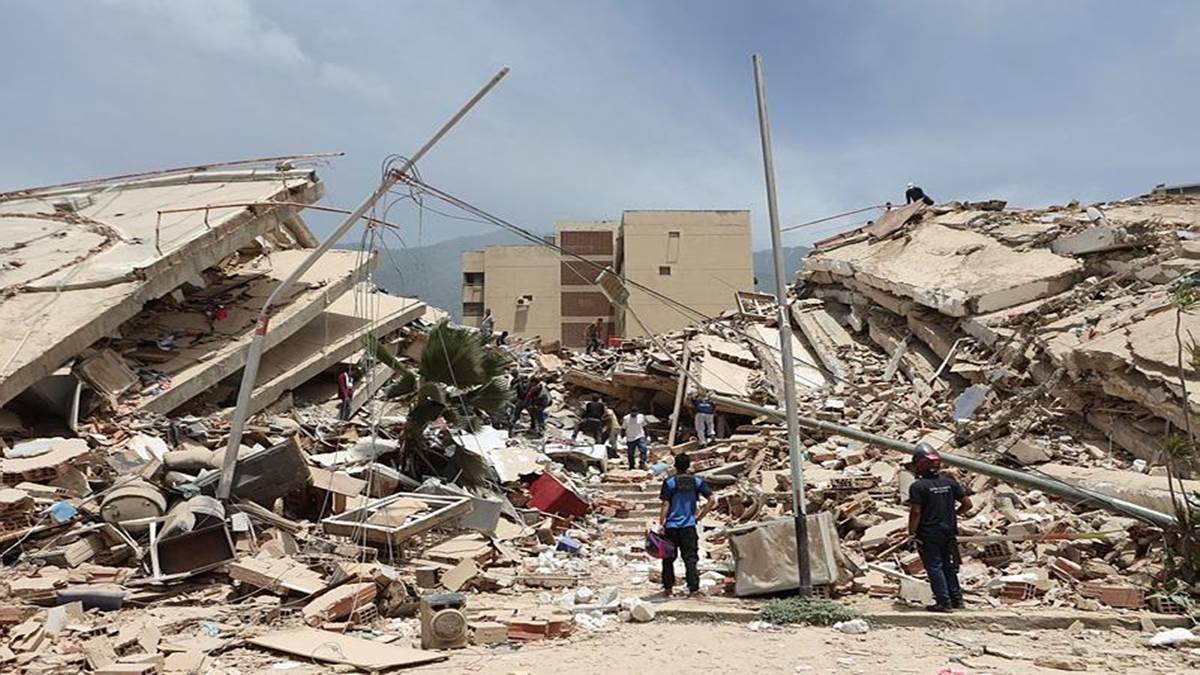
In a short span, powerful earthquakes struck Venezuela, Japan, and California, with magnitudes ranging from 5.6 to 7.5. Venezuela experienced two major quakes causing significant casualties and damage, while Japan reported minimal impact despite similar tremors. Differences in outcomes are attributed to varying fault types and decades of investment in earthquake-resistant infrastructure. These events reflect independent tectonic movements along different fault systems, highlighting the challenges in predicting earthquakes despite advances in monitoring technologies.
First-hand measurement across 2 sources
We measured how 2 outlets covered this story. Coverage leans balanced overall (Left 0%, Centre 100%, Right 0%). Overall sentiment is neutral (48/100). Lens Score 39/100 — moderate-to-low public interest.
Outlets analysed (first-hand measurement by TBN's Bias Engine):
- republicworld— balanced framing, neutral sentiment
- thefinancialexpress— balanced framing, neutral sentiment
AI Analysis
The articles present a scientific and factual perspective on recent earthquakes without political framing. They focus on geological explanations, infrastructure preparedness, and disaster impact, representing viewpoints from seismologists and disaster response observations. There is no evident political bias, as the coverage centers on natural phenomena and comparative analysis of affected regions.
The overall tone is neutral and informative, emphasizing factual reporting of earthquake events and their consequences. While the human toll in Venezuela is noted, the articles maintain an objective stance, balancing the tragic impact with scientific explanations and contrasting outcomes in Japan and California. The sentiment is neither overly negative nor positive but focused on understanding and context.