1963 Discovery of Ancient Underground City in Derinkuyu, Turkey Revealed
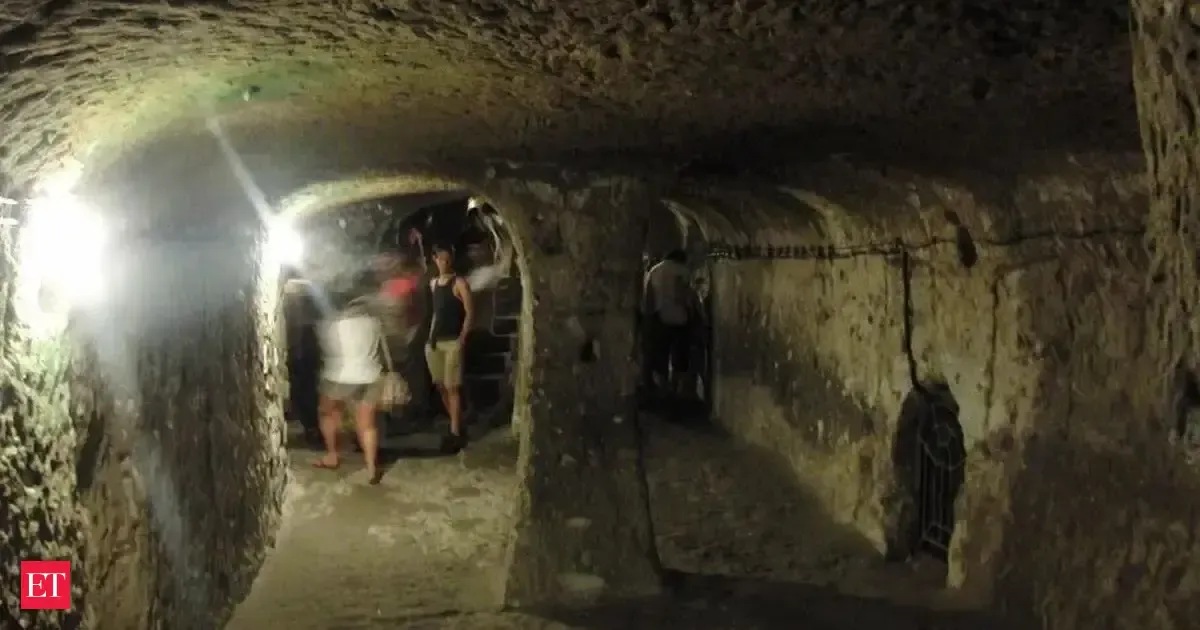
In 1963, a homeowner renovating his house in Derinkuyu, Turkey, uncovered the entrance to an extensive underground city carved into volcanic rock. This subterranean complex, capable of sheltering up to 20,000 people, includes living spaces, storage rooms, chapels, ventilation shafts, and defensive features. Believed to be over 2,000 years old, Derinkuyu served as a refuge during turbulent times and continues to attract archaeological and historical interest for its remarkable engineering and historical significance.
First-hand measurement across 2 sources
We measured how 2 outlets covered this story. Coverage leans balanced overall (Left 0%, Centre 100%, Right 0%). Overall sentiment is positive (75/100). Lens Score 28/100 — low public interest.
Outlets analysed (first-hand measurement by TBN's Bias Engine):
- indiatoday— balanced framing, positive sentiment
- economictimes— balanced framing, positive sentiment
AI Analysis
The articles present a largely neutral historical and archaeological perspective, focusing on the discovery and significance of the Derinkuyu underground city. There is no evident political framing or partisan viewpoints; coverage centers on factual recounting and cultural heritage, reflecting academic and local community interests without political bias.
The tone across the articles is predominantly positive and awe-inspired, emphasizing the remarkable nature of the discovery and its importance to history and archaeology. The sentiment conveys fascination and respect for the engineering feat and cultural legacy, without negative or controversial elements.
How 2 sources covered this story
Each source's own headline, political lean, and sentiment — so you can see framing differences at a glance.