Gaza Conflict Reaches 1,000 Days Amid Ongoing Humanitarian Crisis
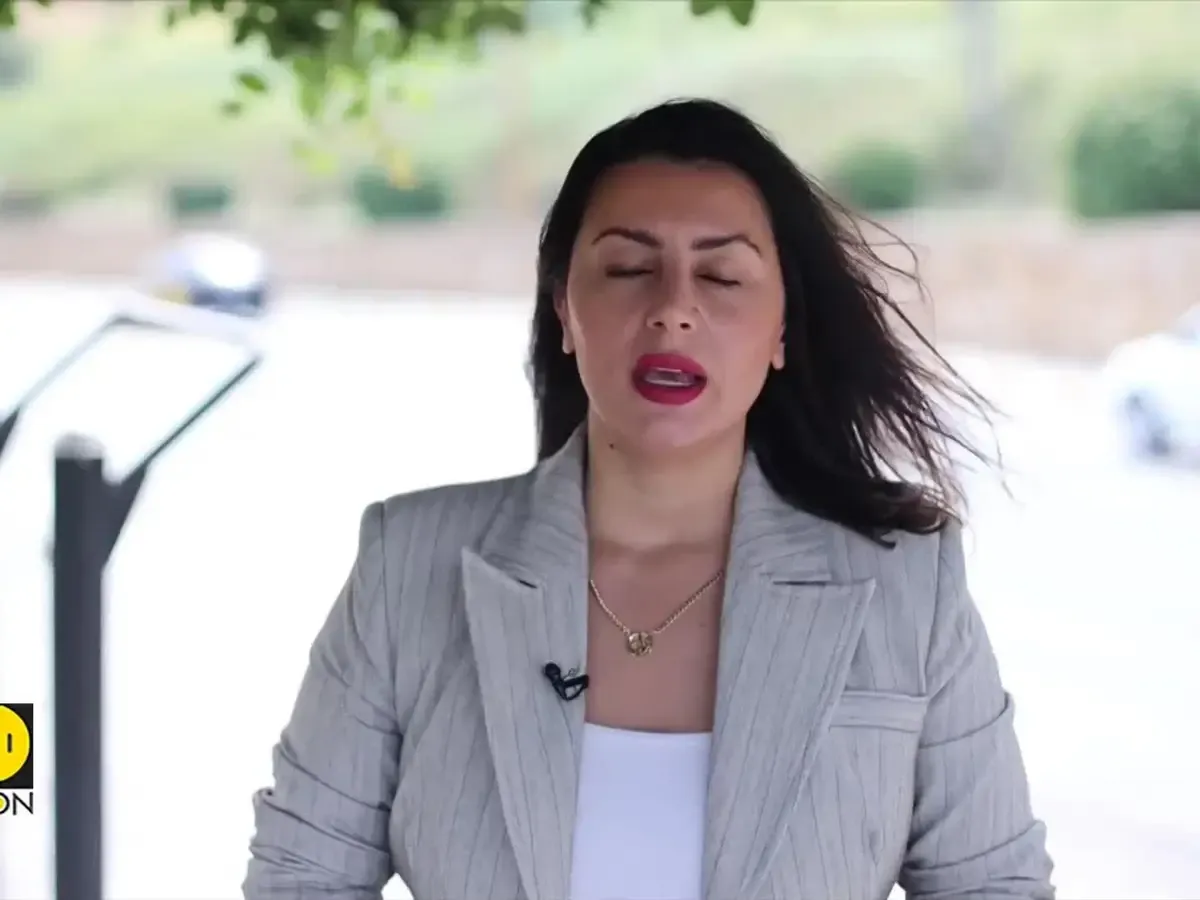
July 3, 2026, marks 1,000 days of conflict in Gaza, characterized by ongoing humanitarian challenges despite a ceasefire in October 2025. Israeli control covers about 70% of Gaza, with civilians confined to shrinking, insecure areas. Over 73,000 deaths have occurred since the war began, including more than 1,000 post-ceasefire. Infrastructure damage and restricted aid access have stalled reconstruction, leaving Gaza's future uncertain amid continued hardships.
First-hand measurement across 2 sources
We measured how 2 outlets covered this story. Coverage leans balanced overall (Left 20%, Centre 80%, Right 0%). Overall sentiment is negative (25/100). Lens Score 29/100 — low public interest.
Outlets analysed (first-hand measurement by TBN's Bias Engine):
- wion— balanced framing, negative sentiment
- wion— balanced framing, negative sentiment
AI Analysis
The articles primarily present a factual account of the Gaza conflict's duration and humanitarian impact, focusing on casualty figures, territorial control, and aid restrictions. They reflect perspectives highlighting the severe conditions faced by civilians and the stalled peace process without attributing blame or endorsing any party. The coverage emphasizes the consequences of military and administrative actions while maintaining a neutral tone.
The overall sentiment across the articles is somber and grave, reflecting the prolonged suffering and humanitarian collapse in Gaza. The tone is serious and factual, emphasizing loss of life, infrastructure damage, and stalled recovery efforts. There is no overtly positive or optimistic language, underscoring the ongoing challenges and uncertainty faced by the region.