Severe Flooding Submerges Roads and Vehicles in Northern China After Typhoon Bavi
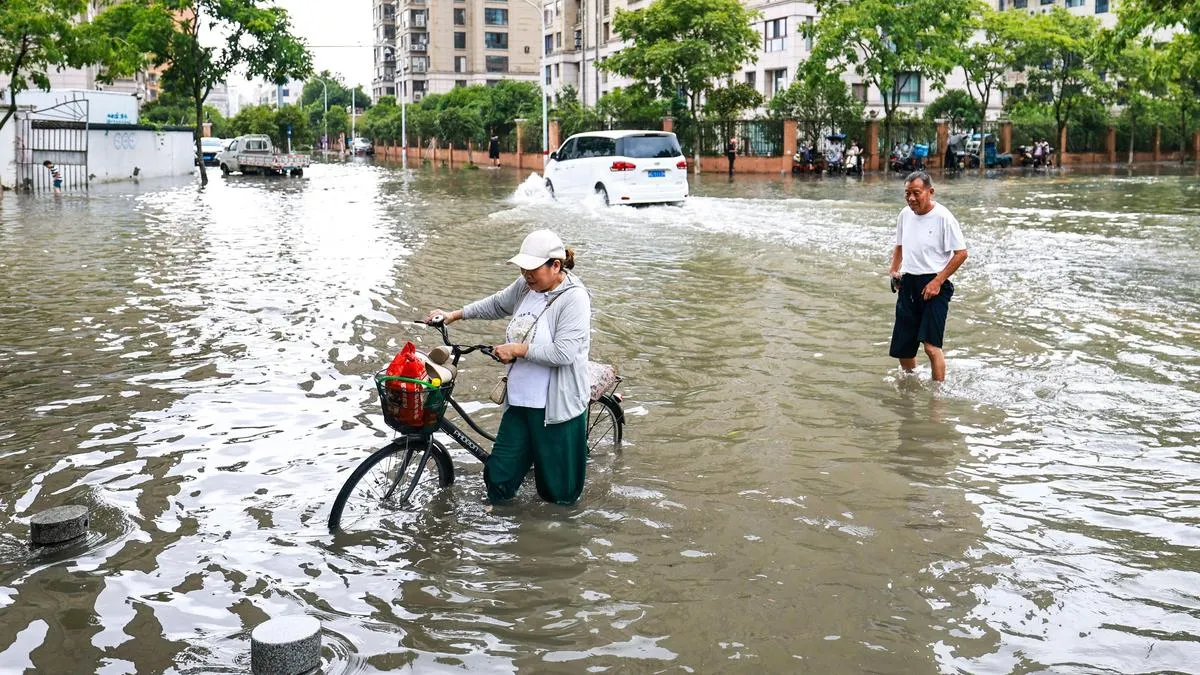
Severe flooding in northern China's Hebei and Liaoning provinces submerged roads and swept away vehicles, with water levels exceeding two meters in Kuancheng, Hebei. The floods followed Typhoon Bavi, the strongest storm to hit mainland China this year, which brought heavy rain and strong winds to several eastern provinces. Authorities issued red alerts for flash floods, prioritized relocating stranded residents, and enforced work and business closures to manage risks amid ongoing extreme weather.
First-hand measurement across 2 sources
We measured how 2 outlets covered this story. Coverage leans balanced overall (Left 0%, Centre 100%, Right 0%). Overall sentiment is negative (30/100). Lens Score 40/100 — moderate-to-low public interest.
Outlets analysed (first-hand measurement by TBN's Bias Engine):
- thehindu— balanced framing, negative sentiment
- thehindu— balanced framing, negative sentiment
AI Analysis
The articles present a straightforward report focusing on the natural disaster's impact and government response without evident political framing. They include official statements and local media accounts, reflecting the authorities' actions and warnings. The coverage centers on factual descriptions of the flooding and emergency measures, with no partisan viewpoints or critiques, maintaining a neutral stance.
The tone across the articles is primarily neutral to serious, emphasizing the severity of the flooding and the challenges posed by Typhoon Bavi. While the situation is concerning due to stranded residents and infrastructure damage, the coverage avoids sensationalism, focusing instead on factual reporting of events and official responses.
How 2 sources covered this story
Each source's own headline, political lean, and sentiment — so you can see framing differences at a glance.