Skip to content
Get the Balanced News app for a better experience!
The Balanced News Logo
Analytics
The Balanced News Logo

Stay Balanced, Stay Informed

Menu
  • Browse News
  • Underreported Stories
  • Curated Feeds
  • Insights
  • Analytics
  • Our Writers
  • About Us
  • Download App
Learn
  • How It Works
  • Bias Detection
  • Lens Score
  • Source Bias Checker
  • Accountability
  • Custom Feeds
Newsroom
  • Writers & Analysts
  • About TBN
  • Editorial Standards
  • Corrections Policy
  • Our Partners
  • Insights
Socials
  • Youtube
  • Instagram
  • X
  • Facebook
News Categories
  • Trending
  • Politics
  • Sports
  • Business
  • Tech
  • Entertainment
  • Health
  • Science
  • Crime
  • Lifestyle
  • National
  • International
  • Good News
  • Crypto

Get Our App

Available for iOS and Android


LensFeedsInsightsAnalyticsTrendingGood NewsSportsPoliticsBusinessCrimeTechEntertainmentHealthNationalInternational

© 2026 The Balanced News. All rights reserved.

About UsEditorial StandardsCorrectionsHelp & SupportPrivacy PolicyTerms & Conditions
Captain Cook’s Introduced Goats and Pigs Impact Native Ecosystems in Hawaii and New Zealand
Categories

Categories

Related Coverage

Select a news story to see related coverage from other media outlets.

Related Coverage

Select a news story to see related coverage from other media outlets.

  1. Home
  2. /
  3. General

Captain Cook’s Introduced Goats and Pigs Impact Native Ecosystems in Hawaii and New Zealand

Analysed 28 Jul 2026·2 sources analysed·Hawaii, United States·General
Captain Cook’s Introduced Goats and Pigs Impact Native Ecosystems in Hawaii and New ZealandPreviousNext

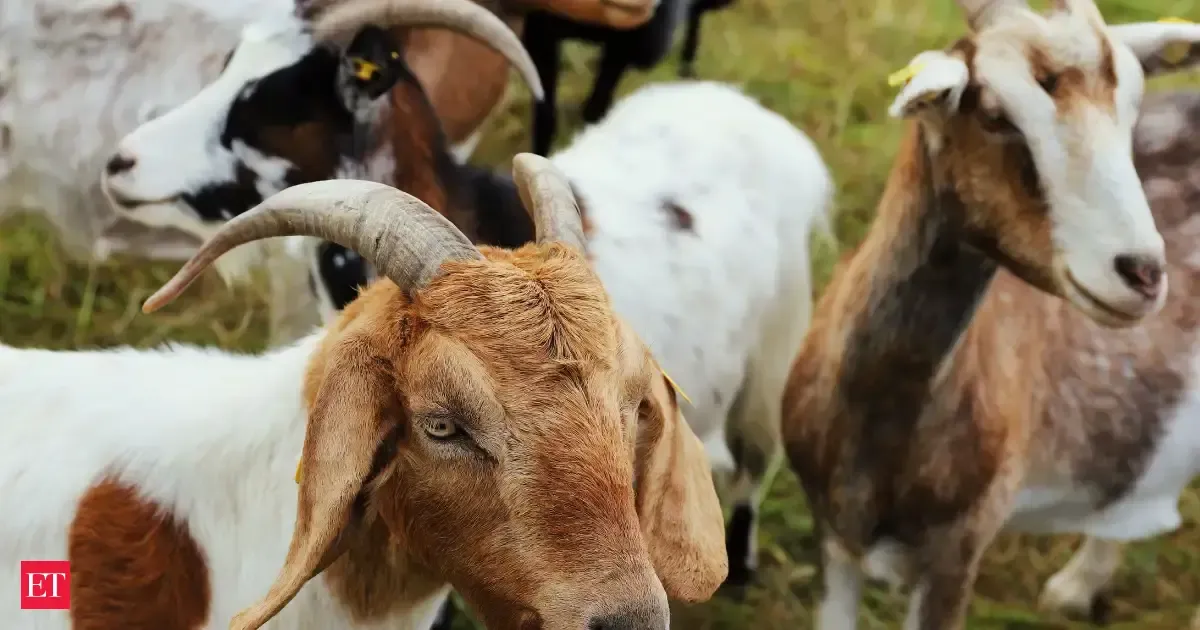
In the late 18th century, Captain James Cook introduced goats to Hawaii and pigs and goats to New Zealand as future food sources for sailors. Over time, these animals became feral and caused significant ecological damage by harming native plants and forests that evolved without such predators. Efforts like fencing, using collared goats in Hawaii, and pest removal on New Zealand's Motuara Island have helped control their populations and restore native ecosystems. These cases highlight the long-term environmental impacts of introduced species.

Sentiment
56%
TBN's observations

First-hand measurement across 2 sources

We measured how 2 outlets covered this story. No outlet gave this story a measurable political slant — there is no left–right reading to report. Overall sentiment is neutral (56/100). Lens Score 38/100.

Outlets measured: economictimes, economictimes. See how each one headlined and framed the same story in the source comparison below.

AI analysis of 2 sources · Published under editorial oversight by The Balanced News
Analysed 28 Jul 2026· How this analysis is produced· Editorial standards· Corrections

AI Analysis

Sentiment — Neutral (56/100)

Sentiment was consistent across outlets (50–62/100), indicating broadly factual reporting rather than editorialising.

Coverage timeline

economictimes broke this story on 28 Jul, 12:33 pm. Other outlets followed.

28 Jul, 12:33 pm2 sources · 7 min28 Jul, 12:40 pm
AI analysis by the TBN Bias Engine · beat methodology byOjas Kale· Founder & Editor
← Previous
Water Release from Almatti Dam Begins Amid Fluctuating Inflows in Krishna Basin
Next →
7.1 Magnitude Earthquake in Kumamoto Triggers Mall Explosion and Rescue Efforts
1
economictimes28 Jul, 12:33 pm
In 1778, Captain James Cook's crew released goats in Hawaii as a future food source; their descendants damaged native plants and worsened erosion
  • 2
    economictimes28 Jul, 12:40 pm
    In the 1770s, Captain Cook released pigs and goats in New Zealand to feed future sailors; their feral descendants began destroying native bush
  • Who's involved

    Institutions and figures named across source coverage.

    Government
    Department of Conservation

    Story context

    Category
    Generic
    Location
    Hawaii, United States
    Sources analysed
    2
    Last analysed
    28 Jul 2026
    Key entities
    James CookGoatFeralForestBrowsing (herbivory)Native speciesNational Park ServiceEcologyHawaiiFeral goatAcacia koaHawaiʻi Volcanoes National Park