Skip to content
Get the Balanced News app for a better experience!
The Balanced News Logo
Analytics
The Balanced News Logo

Stay Balanced, Stay Informed

Menu
  • Browse News
  • Underreported Stories
  • Curated Feeds
  • Insights
  • Analytics
  • Our Writers
  • About Us
  • Download App
Learn
  • How It Works
  • Bias Detection
  • Lens Score
  • Source Bias Checker
  • Accountability
  • Custom Feeds
Newsroom
  • Writers & Analysts
  • About TBN
  • Editorial Standards
  • Corrections Policy
  • Our Partners
  • Insights
Socials
  • Youtube
  • Instagram
  • X
  • Facebook
News Categories
  • Trending
  • Politics
  • Sports
  • Business
  • Tech
  • Entertainment
  • Health
  • Science
  • Crime
  • Lifestyle
  • National
  • International
  • Good News
  • Crypto

Get Our App

Available for iOS and Android


LensFeedsInsightsAnalyticsTrendingGood NewsSportsPoliticsBusinessCrimeTechEntertainmentHealthNationalInternational

© 2026 The Balanced News. All rights reserved.

About UsEditorial StandardsCorrectionsHelp & SupportPrivacy PolicyTerms & Conditions
Historic English Cliff Railways Continue Operating as Victorian Engineering Solutions
Categories

Categories

Related Coverage

Select a news story to see related coverage from other media outlets.

Related Coverage

Select a news story to see related coverage from other media outlets.

  1. Home
  2. /
  3. General

Historic English Cliff Railways Continue Operating as Victorian Engineering Solutions

Analysed 22 Sept 2026·2 sources analysed·England, United Kingdom·General
Historic English Cliff Railways Continue Operating as Victorian Engineering SolutionsPreviousNext

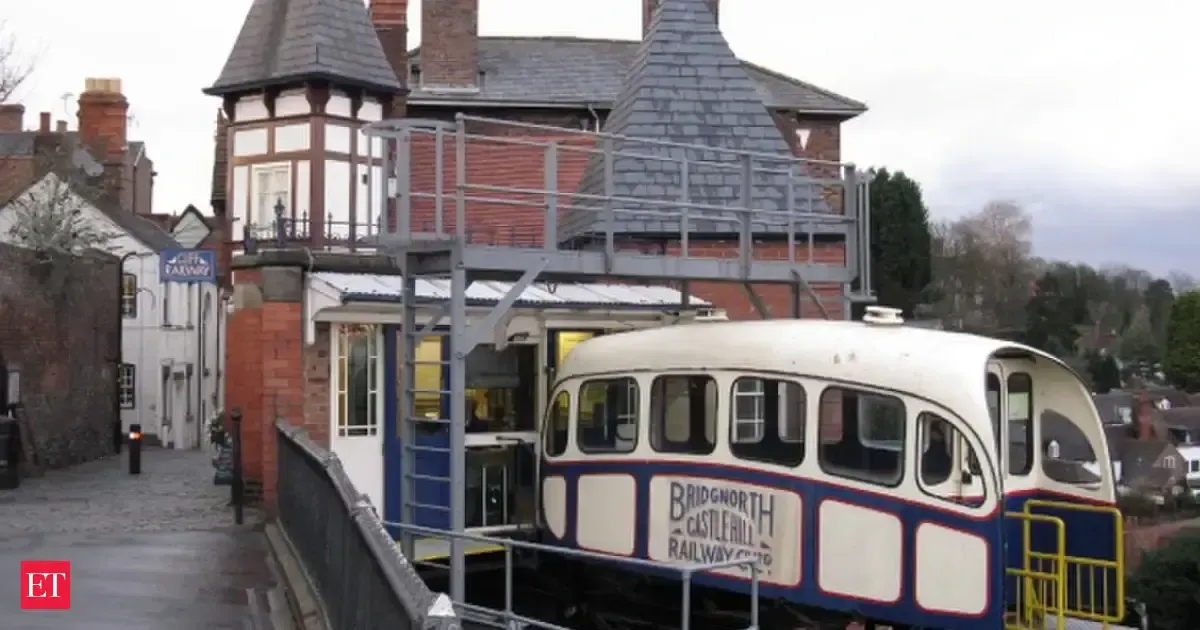
Two historic English cliff railways, the Bridgnorth Funicular Railway (established 1892) and the Lynton and Lynmouth Cliff Railway (established 1890), continue to operate as engineering solutions to steep terrain challenges. Bridgnorth's railway transitioned from water balance to electric power, while Lynton's remains fully water-powered, using gravity and river water. Both systems highlight Victorian-era innovation in providing practical, low-emission transport between separated town areas, with ongoing relevance for modern accessibility.

Sentiment
72%
TBN's observations

First-hand measurement across 2 sources

We measured how 2 outlets covered this story. No outlet gave this story a measurable political slant — there is no left–right reading to report. Overall sentiment is positive (72/100). Lens Score 33/100.

Outlets measured: economictimes, economictimes. See how each one headlined and framed the same story in the source comparison below.

AI analysis of 2 sources · Published under editorial oversight by The Balanced News
Analysed 22 Sept 2026· How this analysis is produced· Editorial standards· Corrections

AI Analysis

Sentiment — Positive (72/100)

Sentiment was consistent across outlets (65–78/100), indicating broadly factual reporting rather than editorialising.

Coverage timeline

economictimes broke this story on 22 Sept, 08:14 am. Other outlets followed.

22 Sept, 08:14 am2 sources · 30 min22 Sept, 08:44 am
AI analysis by the TBN Bias Engine · beat methodology byOjas Kale· Founder & Editor
← Previous
Medieval-Era Land Grant Inscription Discovered at Kondaveedu Fort in Andhra Pradesh
Next →
Indian Railways Announces Special Trains and Extensions for Festival Season
  • 1
    economictimes22 Sept, 08:14 am
    In 1890, engineers connected two English towns separated by a cliff; the water-powered railway still carries passengers more than 135 years later
  • 2
    economictimes22 Sept, 08:44 am
    In 1892, Britain built a cliff railway through Bridgnorth's sandstone escarpment; the short line still moves people between the town's upper and lower halves
  • Story context

    Category
    Generic
    Location
    England, United Kingdom
    Sources analysed
    2
    Last analysed
    22 Sept 2026
    Key entities
    FunicularEnglandVictorian eraUnited KingdomEngineeringUnited StatesGrade (slope)SandstoneTownBridgnorthAccessibilityEscarpment