Study Finds El Niño Linked to Reduced Cyclone Activity in Bay of Bengal
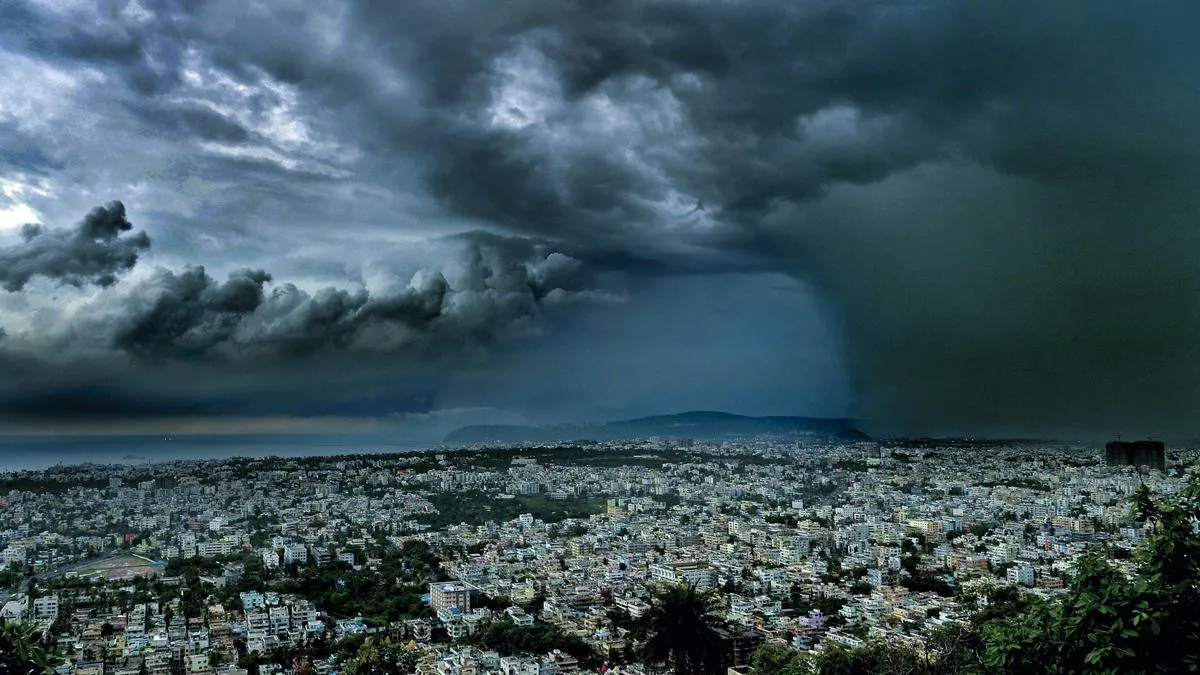
A study by the Indian National Centre for Ocean Information Services (INCOIS) analyzed tropical cyclone activity in the Bay of Bengal from 1995 to 2019, finding that El Niño years saw fewer cyclones (15 in nine years) compared to La Niña years, which had more than double (33 in 11 years). Neutral ENSO conditions also showed relatively high cyclone activity. The research highlights ENSO's influence on post-monsoon cyclone formation, though forecasting remains complex due to atmospheric and oceanic interactions.
First-hand measurement across 2 sources
We measured how 2 outlets covered this story. Coverage leans balanced overall (Left 0%, Centre 100%, Right 0%). Overall sentiment is neutral (58/100). Lens Score 33/100 — low public interest.
Outlets analysed (first-hand measurement by TBN's Bias Engine):
- thehindu— balanced framing, neutral sentiment
- thehindu— balanced framing, neutral sentiment
AI Analysis
The articles present a scientific study without political framing, focusing on meteorological data and research findings from a government-affiliated institution. There is no evident political perspective or partisan interpretation, as the coverage centers on environmental and climatological analysis.
The tone across the articles is neutral and informative, emphasizing scientific findings without emotional language. The coverage neither sensationalizes the potential impacts nor downplays the risks, maintaining an objective presentation of the study's results and the challenges in cyclone forecasting.
How 2 sources covered this story
Each source's own headline, political lean, and sentiment — so you can see framing differences at a glance.