Skip to content
Get the Balanced News app for a better experience!
The Balanced News Logo
Analytics
The Balanced News Logo

Stay Balanced, Stay Informed

Menu
  • Browse News
  • Underreported Stories
  • Curated Feeds
  • Insights
  • Analytics
  • Our Writers
  • About Us
  • Download App
Learn
  • How It Works
  • Bias Detection
  • Lens Score
  • Source Bias Checker
  • Accountability
  • Custom Feeds
Newsroom
  • Writers & Analysts
  • About TBN
  • Editorial Standards
  • Corrections Policy
  • Our Partners
  • Insights
Socials
  • Youtube
  • Instagram
  • X
  • Facebook
News Categories
  • Trending
  • Politics
  • Sports
  • Business
  • Tech
  • Entertainment
  • Health
  • Science
  • Crime
  • Lifestyle
  • National
  • International
  • Good News
  • Crypto

Get Our App

Available for iOS and Android


LensFeedsInsightsAnalyticsTrendingGood NewsSportsPoliticsBusinessCrimeTechEntertainmentHealthNationalInternational

© 2026 The Balanced News. All rights reserved.

About UsEditorial StandardsCorrectionsHelp & SupportPrivacy PolicyTerms & Conditions
NASA Study Finds Andromeda Galaxy's Star Formation Declining Over 500 Million Years
Categories

Categories

Related Coverage

Select a news story to see related coverage from other media outlets.

Related Coverage

Select a news story to see related coverage from other media outlets.

  1. Home
  2. /
  3. General

NASA Study Finds Andromeda Galaxy's Star Formation Declining Over 500 Million Years

Analysed 28 Jul 2026·2 sources analysed·General
NASA Study Finds Andromeda Galaxy's Star Formation Declining Over 500 Million YearsPreviousNext

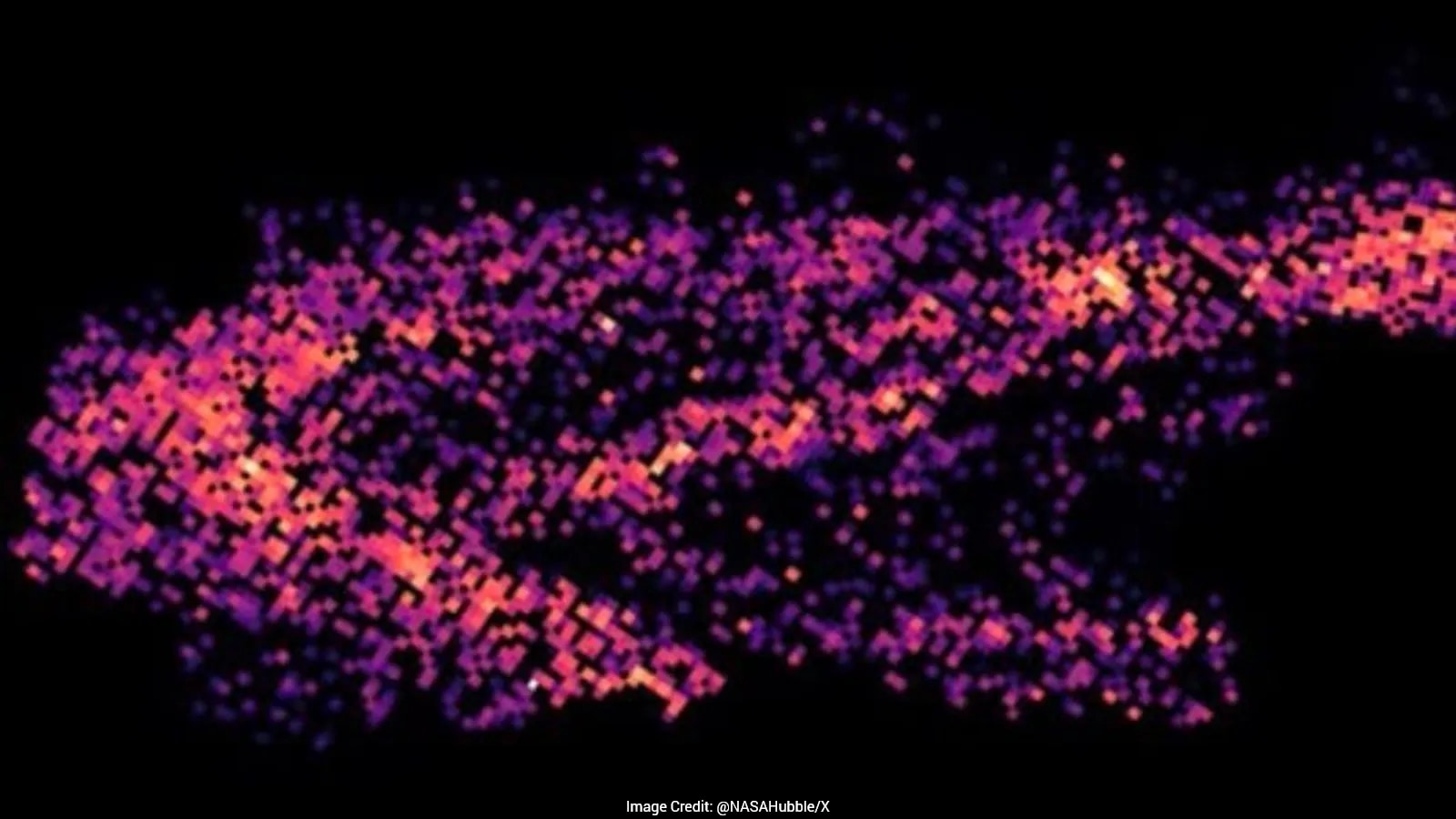
A NASA study using Hubble Space Telescope data reveals that the Andromeda Galaxy's star formation has been declining steadily over the past 500 million years, with a sharper decrease in the last 40 million years. Researchers mapped two-thirds of Andromeda's disk, analyzing about 200 million stars, and identified a 'dead zone' near its satellite galaxy M32, suggesting recent interactions disrupted star formation. The galaxy is considered to be transitioning into a less active, 'middle-aged' phase. Findings were published in The Astrophysical Journal.

Sentiment
50%
TBN's observations

First-hand measurement across 2 sources

We measured how 2 outlets covered this story. No outlet gave this story a measurable political slant — there is no left–right reading to report. Overall sentiment is neutral (50/100). Lens Score 30/100.

Outlets measured: thehindu, ndtv. See how each one headlined and framed the same story in the source comparison below.

AI analysis of 2 sources · Published under editorial oversight by The Balanced News
Analysed 28 Jul 2026· How this analysis is produced· Editorial standards· Corrections

AI Analysis

Sentiment — Neutral (50/100)

Sentiment was consistent across outlets (50–50/100), indicating broadly factual reporting rather than editorialising.

Coverage timeline

ndtv broke this story on 28 Jul, 05:44 am. Other outlets followed.

28 Jul, 05:44 am2 sources · 5 h28 Jul, 10:26 am
  1. 1
AI analysis by the TBN Bias Engine · beat methodology byOjas Kale· Founder & Editor
← Previous
Second Mild Tremor Hits Palghar District in Three Days, No Damage Reported
Next →
IMD Issues Rainfall Alerts as Active Monsoon Continues in Chhattisgarh
ndtv28 Jul, 05:44 am
NASA Hubble Study Finds Andromeda Galaxy's Star Formation Has Been Declining For 500 Million Years
  • 2
    thehindu28 Jul, 10:26 am
    Andromeda Galaxy entering 'middle age'
  • Story context

    Category
    Generic
    Sources analysed
    2
    Last analysed
    28 Jul 2026
    Key entities
    Hubble Space TelescopeStar formationThe Astrophysical JournalGalaxyAndromeda GalaxyMilky WaySatellite galaxyMessier 32Andromeda (constellation)NASASpatial resolutionSolar mass