Skip to content
Get the Balanced News app for a better experience!
The Balanced News Logo
Analytics
The Balanced News Logo

Stay Balanced, Stay Informed

Menu
  • Browse News
  • Underreported Stories
  • Curated Feeds
  • Insights
  • Analytics
  • Our Writers
  • About Us
  • Download App
Learn
  • How It Works
  • Bias Detection
  • Lens Score
  • Source Bias Checker
  • Accountability
  • Custom Feeds
Newsroom
  • Writers & Analysts
  • About TBN
  • Editorial Standards
  • Corrections Policy
  • Our Partners
  • Insights
Socials
  • Youtube
  • Instagram
  • X
  • Facebook
News Categories
  • Trending
  • Politics
  • Sports
  • Business
  • Tech
  • Entertainment
  • Health
  • Science
  • Crime
  • Lifestyle
  • National
  • International
  • Good News
  • Crypto

Get Our App

Available for iOS and Android


LensFeedsInsightsAnalyticsTrendingGood NewsSportsPoliticsBusinessCrimeTechEntertainmentHealthNationalInternational

© 2026 The Balanced News. All rights reserved.

About UsEditorial StandardsCorrectionsHelp & SupportPrivacy PolicyTerms & Conditions
Studies Examine Genetic Diversity and Stress in Dogs Left After Nuclear Disasters
Categories

Categories

Related Coverage

Select a news story to see related coverage from other media outlets.

Related Coverage

Select a news story to see related coverage from other media outlets.

  1. Home
  2. /
  3. General

Studies Examine Genetic Diversity and Stress in Dogs Left After Nuclear Disasters

Analysed 18 Oct 2026·2 sources analysed·Slavutych, Ukraine·General
Studies Examine Genetic Diversity and Stress in Dogs Left After Nuclear DisastersPreviousNext

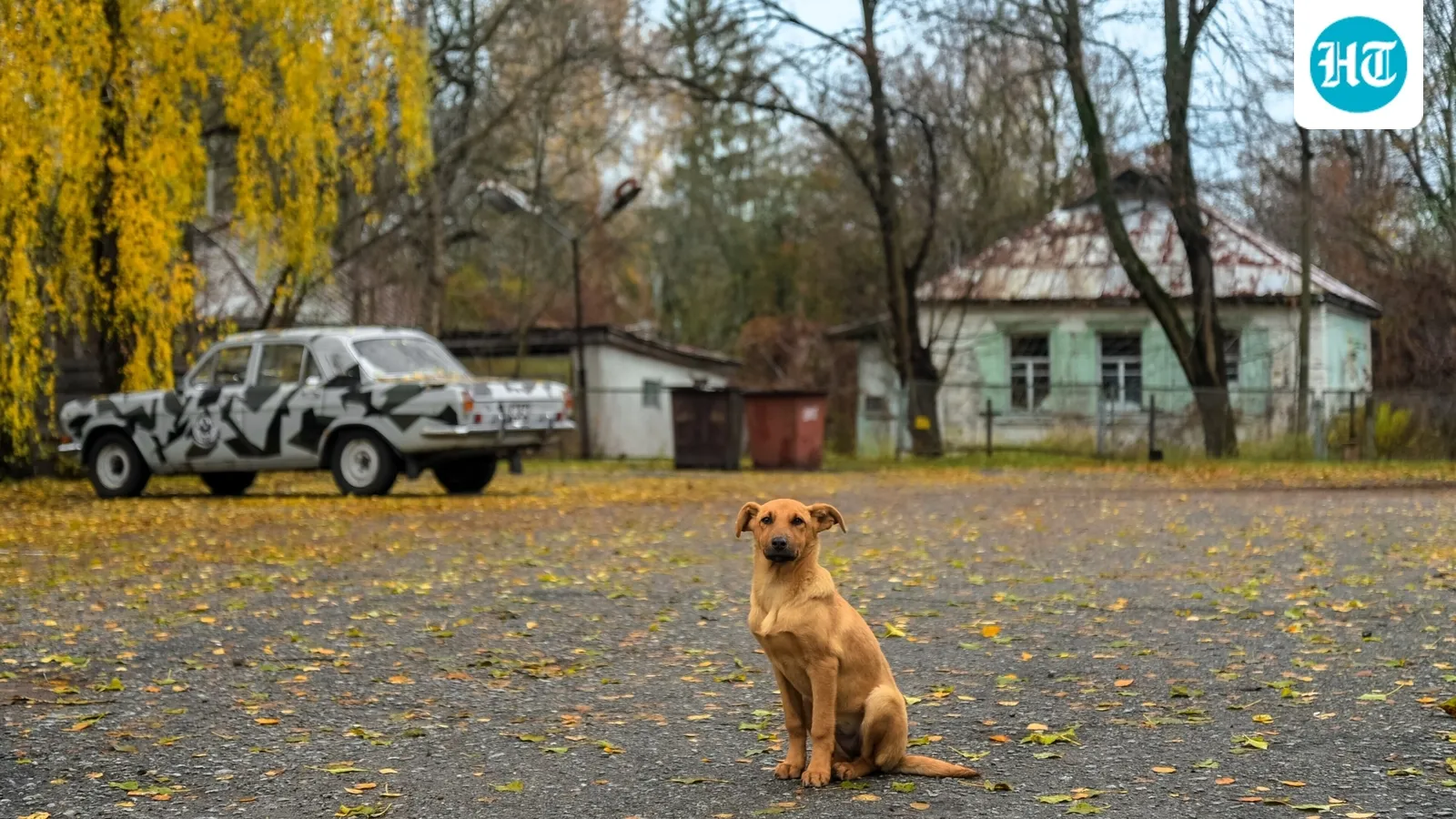
Following nuclear disasters in Chernobyl (1986) and Fukushima (2011), many families evacuated, leaving dogs behind. A 2023 study of 302 dogs near Chernobyl revealed distinct genetic groups across locations, reflecting complex population structures. Separately, a 2012 study found Fukushima rescue dogs exhibited five to 10 times higher stress hormone levels than other abandoned dogs, highlighting the impact of sudden family separation and environmental stress on animal welfare in disaster zones.

Sentiment
50%
TBN's observations

First-hand measurement across 2 sources

We measured how 2 outlets covered this story. No outlet gave this story a measurable political slant — there is no left–right reading to report. Overall sentiment is neutral (50/100). Lens Score 34/100.

Outlets measured: hindustantimes, hindustantimes. See how each one headlined and framed the same story in the source comparison below.

AI analysis of 2 sources · Published under editorial oversight by The Balanced News
Analysed 18 Oct 2026· How this analysis is produced· Editorial standards· Corrections

AI Analysis

Sentiment — Neutral (50/100)

Sentiment was consistent across outlets (50–50/100), indicating broadly factual reporting rather than editorialising.

Coverage timeline

hindustantimes broke this story on 18 Oct, 03:07 am. Other outlets followed.

18 Oct, 03:07 am2 sources · 2 h18 Oct, 04:55 am
AI analysis by the TBN Bias Engine · beat methodology byOjas Kale· Founder & Editor
← Previous
Delhi Commission Awards Rs 80,000 to Gurugram Couple Over Home Renovation Delay
Next →
Orionid Meteor Shower Peaks October 21-22: Viewing Tips and Details
1
hindustantimes18 Oct, 03:07 am
In 2011, Japan's earthquake, tsunami, and nuclear meltdown forced Fukushima families to leave dogs; 17 rescues had 5-10 times more stress hormones
  • 2
    hindustantimes18 Oct, 04:55 am
    In 1986, Chernobyl's reactor blast forced residents to leave dogs behind; decades later, 302 dogs formed distinct genetic groups 15 km apart
  • Story context

    Category
    Generic
    Location
    Slavutych, Ukraine
    Sources analysed
    2
    Last analysed
    18 Oct 2026
    Key entities
    DogChernobyl disasterGeneticsNuclear power plantChernobyl Nuclear Power PlantSlavutychScience AdvancesGenetic diversityRadioactive contaminationGenetic markerPower stationDNA