Skip to content
Get the Balanced News app for a better experience!
The Balanced News Logo
Analytics
The Balanced News Logo

Stay Balanced, Stay Informed

Menu
  • Browse News
  • Underreported Stories
  • Curated Feeds
  • Insights
  • Analytics
  • Our Writers
  • About Us
  • Download App
Learn
  • How It Works
  • Bias Detection
  • Lens Score
  • Source Bias Checker
  • Accountability
  • Custom Feeds
Newsroom
  • Writers & Analysts
  • About TBN
  • Editorial Standards
  • Corrections Policy
  • Our Partners
  • Insights
Socials
  • Youtube
  • Instagram
  • X
  • Facebook
News Categories
  • Trending
  • Politics
  • Sports
  • Business
  • Tech
  • Entertainment
  • Health
  • Science
  • Crime
  • Lifestyle
  • National
  • International
  • Good News
  • Crypto

Get Our App

Available for iOS and Android


LensFeedsInsightsAnalyticsTrendingGood NewsSportsPoliticsBusinessCrimeTechEntertainmentHealthNationalInternational

© 2026 The Balanced News. All rights reserved.

About UsEditorial StandardsCorrectionsHelp & SupportPrivacy PolicyTerms & Conditions
Total Solar Eclipses in 2026 and 2027 to Darken Skies Across Europe, Africa, and Asia
Categories

Categories

Related Coverage

Select a news story to see related coverage from other media outlets.

Related Coverage

Select a news story to see related coverage from other media outlets.

  1. Home
  2. /
  3. generic

Total Solar Eclipses in 2026 and 2027 to Darken Skies Across Europe, Africa, and Asia

Reviewed byOjas Kale· Founder & Editor
Analysed 6 Jun 2026·2 sources analysed·Saudi Arabia·generic
Total Solar Eclipses in 2026 and 2027 to Darken Skies Across Europe, Africa, and AsiaPreviousNext

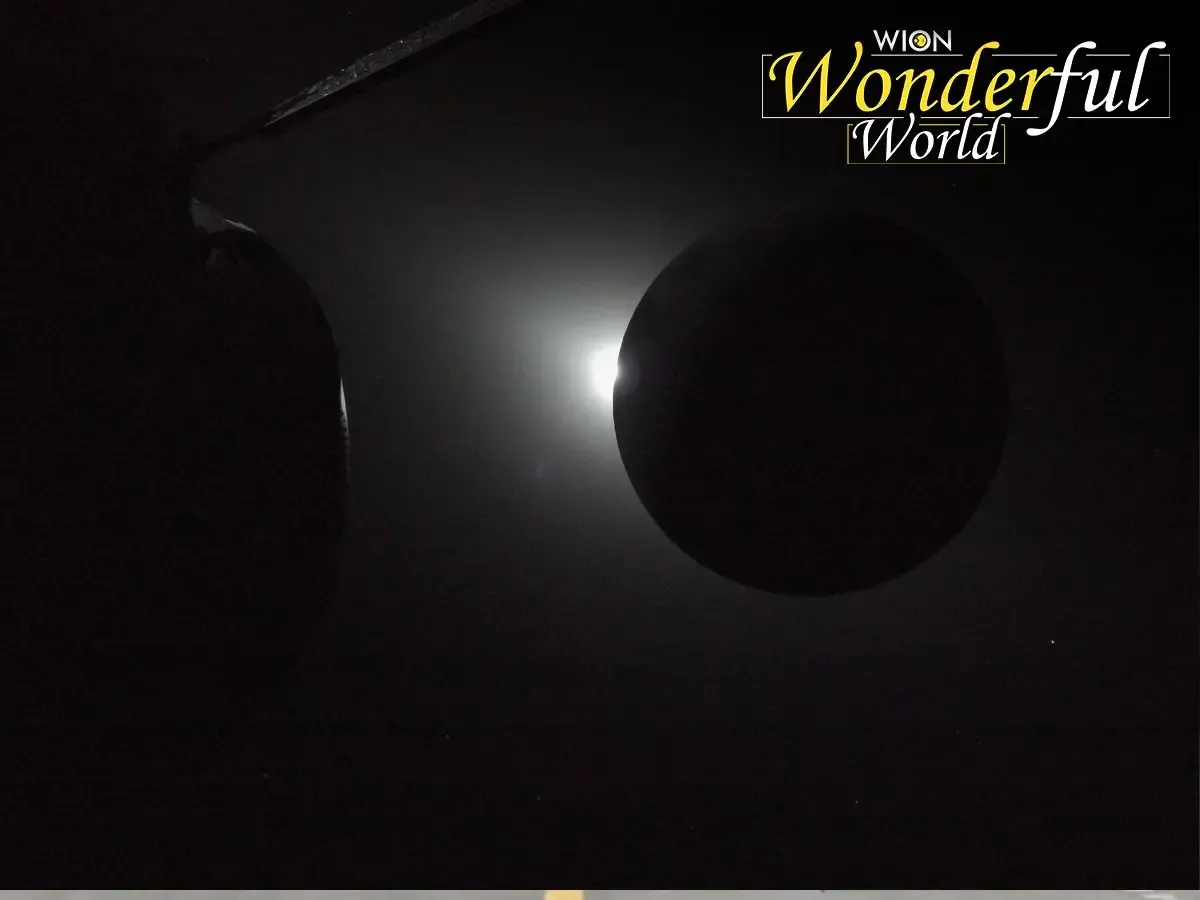
Two significant total solar eclipses are set to occur in August 2026 and August 2027, visible across parts of Europe, North Africa, and Asia. The 2026 eclipse will cross Greenland, Iceland, Spain, Russia, and Central Asia, offering several minutes of darkness, while India will see a partial eclipse. The 2027 event will be the longest total solar eclipse of the 21st century, lasting over six minutes and visible in countries including Spain, Morocco, Algeria, Libya, Egypt, and Saudi Arabia. Both events provide opportunities to observe the Sun's corona and attract global interest from astronomers and enthusiasts.

TBN's observations

First-hand measurement across 2 sources

We measured how 2 outlets covered this story. Coverage leans balanced overall (Left 0%, Centre 100%, Right 0%). Overall sentiment is positive (75/100). Lens Score 28/100 — low public interest.

Outlets analysed (first-hand measurement by TBN's Bias Engine):

  • wion— balanced framing, positive sentiment
  • news18— balanced framing, positive sentiment
Political Bias
0%100%0%
Sentiment
75%
AI analysis of 2 sources · Published under editorial oversight by The Balanced News
Analysed 6 Jun 2026· How this analysis is produced· Editorial standards· Corrections

AI Analysis

Political bias across 2 sources
● Left 0%● Center 100%● Right 0%

The article group presents a scientific and observational perspective on upcoming solar eclipses without political framing. Coverage focuses on astronomical facts, geographic visibility, and scientific significance, representing viewpoints from experts and enthusiasts. There is no evident political bias, as the sources emphasize natural phenomena and public interest in celestial events.

Sentiment — Positive (75/100)

The overall tone across the articles is neutral to positive, highlighting the rarity and scientific importance of the eclipses. The coverage conveys excitement and anticipation among astronomers and the public while maintaining an informative and factual approach without sensationalism or negativity.

How 2 sources covered this story

Each source's own headline, political lean, and sentiment — so you can see framing differences at a glance.

← Previous
Friars Fire in Mission Valley, San Diego Prompts Emergency Response
Next →
Nor'wester Hits Bhubaneswar, Causing One Death and Uprooting Over 200 Trees
SourceTheir headlineBiasSentiment
wionWonderful World A once-in-a-century celestial event: The 6-minute solar eclipse that will turn day into nightCenterPositive
news18Total Solar Eclipse 2026 to Darken Skies Across Europe and AsiaCenterPositive

Coverage timeline

news18 broke this story on 6 Jun, 02:28 pm. Other outlets followed.

  1. 1
    news186 Jun, 02:28 pm
    Total Solar Eclipse 2026 to Darken Skies Across Europe and Asia
  2. 2
    wion6 Jun, 08:29 pm
    Wonderful World A once-in-a-century celestial event: The 6-minute solar eclipse that will turn day into night

Lens Score breakdown

28/100
Public interest0/100
Coverage gap100%

Well-covered story — coverage matches public importance.

Story context

Category
Generic
Location
Saudi Arabia
Sources analysed
2
Last analysed
6 Jun 2026
Key entities
Solar eclipseMoonEarthSunAstronomerSpainStellar coronaOrbitIndiaEclipseAstronomyNorth Africa