Skip to content
Get the Balanced News app for a better experience!
The Balanced News Logo
Analytics
The Balanced News Logo

Stay Balanced, Stay Informed

Menu
  • Browse News
  • Underreported Stories
  • Curated Feeds
  • Insights
  • Analytics
  • Our Writers
  • About Us
  • Download App
Learn
  • How It Works
  • Bias Detection
  • Lens Score
  • Source Bias Checker
  • Accountability
  • Custom Feeds
Newsroom
  • Writers & Analysts
  • About TBN
  • Editorial Standards
  • Corrections Policy
  • Our Partners
  • Insights
Socials
  • Youtube
  • Instagram
  • X
  • Facebook
News Categories
  • Trending
  • Politics
  • Sports
  • Business
  • Tech
  • Entertainment
  • Health
  • Science
  • Crime
  • Lifestyle
  • National
  • International
  • Good News
  • Crypto

Get Our App

Available for iOS and Android


LensFeedsInsightsAnalyticsTrendingGood NewsSportsPoliticsBusinessCrimeTechEntertainmentHealthNationalInternational

© 2026 The Balanced News. All rights reserved.

About UsEditorial StandardsCorrectionsHelp & SupportPrivacy PolicyTerms & Conditions
Key Neanderthal Discoveries in Europe Enhance Understanding of Human Evolution
Categories

Categories

Related Coverage

Select a news story to see related coverage from other media outlets.

Related Coverage

Select a news story to see related coverage from other media outlets.

  1. Home
  2. /
  3. generic

Key Neanderthal Discoveries in Europe Enhance Understanding of Human Evolution

Analysed 24 Jun 2026·2 sources analysed·Germany·generic
Key Neanderthal Discoveries in Europe Enhance Understanding of Human EvolutionPreviousNext

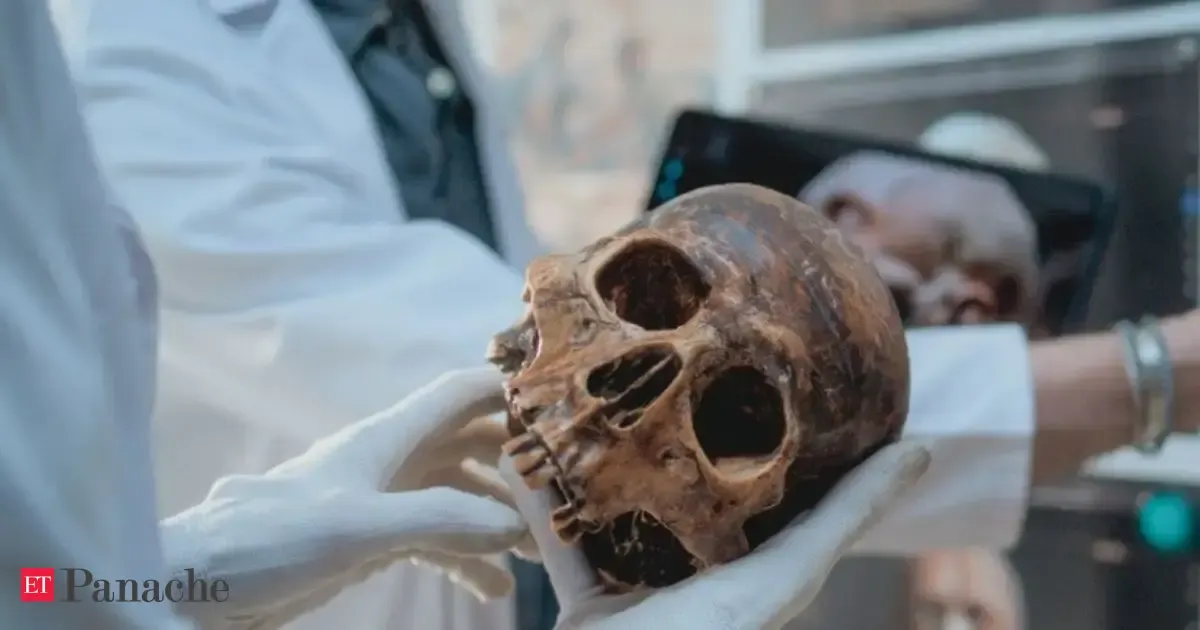
Discoveries of Neanderthal remains in Europe have significantly advanced understanding of human evolution. The 1856 find of 16 bones in Germany's Neander Valley identified a distinct species, Homo Neanderthalensis, challenging earlier views of human origins. More recently, an 8-year-old Neanderthal child's fossil in Belgium yielded the oldest Neanderthal DNA sequenced, revealing greater genetic diversity and faster childhood development than modern humans. These findings continue to illuminate the complexity of Neanderthals and their relationship to modern humans.

TBN's observations

First-hand measurement across 2 sources

We measured how 2 outlets covered this story. Coverage leans balanced overall (Left 0%, Centre 100%, Right 0%). Overall sentiment is positive (68/100). Lens Score 29/100 — low public interest.

Outlets analysed (first-hand measurement by TBN's Bias Engine):

  • economictimes— balanced framing, positive sentiment
  • economictimes— balanced framing, neutral sentiment
Political Bias
0%100%0%
Sentiment
68%
AI analysis of 2 sources · Published under editorial oversight by The Balanced News
Analysed 24 Jun 2026· How this analysis is produced· Editorial standards· Corrections

AI Analysis

Political bias across 2 sources
● Left 0%● Center 100%● Right 0%

The articles primarily present scientific findings without political framing, focusing on archaeological and genetic research. They reflect a neutral, academic perspective emphasizing evolutionary biology and anthropology. There is no evident political bias, as the coverage centers on historical and scientific developments rather than contemporary political issues.

Sentiment — Positive (68/100)

The tone across the articles is informative and neutral, highlighting significant scientific discoveries without emotional language. The sentiment is generally positive in terms of advancing knowledge but remains factual and restrained, avoiding sensationalism or speculative conclusions.

How 2 sources covered this story

Each source's own headline, political lean, and sentiment — so you can see framing differences at a glance.

Reviewed byOjas Kale· Founder & Editor
← Previous
Major Fire in Labour Settlement Near Delhi's Udyog Bhawan Controlled, No Injuries
Next →
Bombay High Court Upholds Restriction on New Indian Express Title Usage Outside Permitted Areas
SourceTheir headlineBiasSentiment
economictimesScientists found an 8-year-old Neanderthal child in a Belgian cave, and the molar DNA found is said to be the oldest human genetic code ever sequenced, turning one hillside into a rare window on our deep pastCenterPositive
economictimesDiscovery of 16 human bones changed the course of history. How they survived 40,000 years ago and did climate change made them extinct?CenterNeutral

Coverage timeline

economictimes broke this story on 23 Jun, 01:32 pm. Other outlets followed.

  1. 1
    economictimes23 Jun, 01:32 pm
    Discovery of 16 human bones changed the course of history. How they survived 40,000 years ago and did climate change made them extinct?
  2. 2
    economictimes24 Jun, 01:05 am
    Scientists found an 8-year-old Neanderthal child in a Belgian cave, and the molar DNA found is said to be the oldest human genetic code ever sequenced, turning one hillside into a rare window on our deep past

Lens Score breakdown

29/100
Public interest0/100
Coverage gap100%

Well-covered story — coverage matches public importance.

Story context

Category
Generic
Location
Germany
Sources analysed
2
Last analysed
24 Jun 2026
Key entities
NeanderthalGermanyCaveEvolutionFossilSpeciesNeanderthal 1Human evolutionQuarryBBCNeanderthal MuseumHybrid (biology)