Skip to content
Get the Balanced News app for a better experience!
The Balanced News Logo
Analytics
The Balanced News Logo

Stay Balanced, Stay Informed

Menu
  • Browse News
  • Underreported Stories
  • Curated Feeds
  • Insights
  • Analytics
  • Our Writers
  • About Us
  • Download App
Learn
  • How It Works
  • Bias Detection
  • Lens Score
  • Source Bias Checker
  • Accountability
  • Custom Feeds
Newsroom
  • Writers & Analysts
  • About TBN
  • Editorial Standards
  • Corrections Policy
  • Our Partners
  • Insights
Socials
  • Youtube
  • Instagram
  • X
  • Facebook
News Categories
  • Trending
  • Politics
  • Sports
  • Business
  • Tech
  • Entertainment
  • Health
  • Science
  • Crime
  • Lifestyle
  • National
  • International
  • Good News
  • Crypto

Get Our App

Available for iOS and Android


LensFeedsInsightsAnalyticsTrendingGood NewsSportsPoliticsBusinessCrimeTechEntertainmentHealthNationalInternational

© 2026 The Balanced News. All rights reserved.

About UsEditorial StandardsCorrectionsHelp & SupportPrivacy PolicyTerms & Conditions
Southern Delta Aquariids and Alpha Capricornids Meteor Showers Peak Amid Bright Buck Moon
Categories

Categories

Related Coverage

Select a news story to see related coverage from other media outlets.

Related Coverage

Select a news story to see related coverage from other media outlets.

  1. Home
  2. /
  3. General

Southern Delta Aquariids and Alpha Capricornids Meteor Showers Peak Amid Bright Buck Moon

Analysed 30 Jul 2026·2 sources analysed·United States·General
Southern Delta Aquariids and Alpha Capricornids Meteor Showers Peak Amid Bright Buck MoonPreviousNext

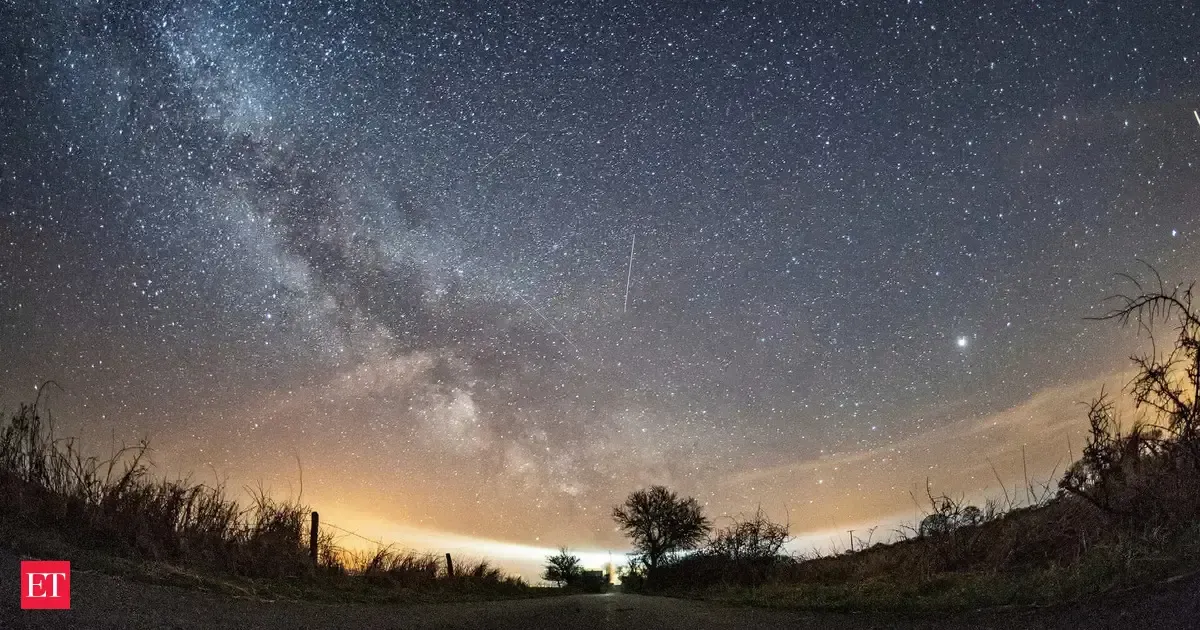
Two meteor showers, the Southern Delta Aquariids and Alpha Capricornids, will peak overnight on July 30-31, coinciding with a nearly full Buck Moon that will reduce visibility. The Southern Delta Aquariids, active from July 23 to August 23, produce up to 25 meteors per hour but are faint and best seen from southern regions. The Alpha Capricornids, active from July 12 to August 12, generate fewer meteors but include bright fireballs visible despite moonlight. Observers are advised to watch after midnight for optimal viewing.

Sentiment
50%
TBN's observations

First-hand measurement across 2 sources

We measured how 2 outlets covered this story. No outlet gave this story a measurable political slant — there is no left–right reading to report. Overall sentiment is neutral (50/100). Lens Score 30/100.

Outlets measured: economictimes, hindustantimes. See how each one headlined and framed the same story in the source comparison below.

AI analysis of 2 sources · Published under editorial oversight by The Balanced News
Analysed 30 Jul 2026· How this analysis is produced· Editorial standards· Corrections

AI Analysis

Sentiment — Neutral (50/100)

Sentiment was consistent across outlets (50–50/100), indicating broadly factual reporting rather than editorialising.

Coverage timeline

hindustantimes broke this story on 30 Jul, 08:43 am. Other outlets followed.

30 Jul, 08:43 am2 sources · 54 min30 Jul, 09:37 am
AI analysis by the TBN Bias Engine · beat methodology byOjas Kale· Founder & Editor
← Previous
Change of Guard Ceremony at Rashtrapati Bhavan Cancelled on August 1 and 8 for Independence Day Rehearsals
Next →
Kerala Karunya Plus KN-634 Lottery Draw Scheduled for July 30, 2026
1
hindustantimes30 Jul, 08:43 am
When and where to watch the Southern Delta Aquariids, Alpha Capricornids and Perseid meteor shower this week
  • 2
    economictimes30 Jul, 09:37 am
    Double Meteor Shower peaks on July 30-31 overnight, but Buck Moon might steal spotlight; here's how sky gazers can get the best view
  • Story context

    Category
    Generic
    Location
    United States
    Sources analysed
    2
    Last analysed
    30 Jul 2026
    Key entities
    Alpha CapricornidsSouthern Delta AquariidsMeteoroidMeteor showerMoonTropicsFull moonAmerican Meteor SocietyZenithal hourly rateEquatorUnited States96P/Machholz