Skip to content
Get the Balanced News app for a better experience!
The Balanced News Logo
Analytics
The Balanced News Logo

Stay Balanced, Stay Informed

Menu
  • Browse News
  • Underreported Stories
  • Curated Feeds
  • Insights
  • Analytics
  • Our Writers
  • About Us
  • Download App
Learn
  • How It Works
  • Bias Detection
  • Lens Score
  • Source Bias Checker
  • Accountability
  • Custom Feeds
Newsroom
  • Writers & Analysts
  • About TBN
  • Editorial Standards
  • Corrections Policy
  • Our Partners
  • Insights
Socials
  • Youtube
  • Instagram
  • X
  • Facebook
News Categories
  • Trending
  • Politics
  • Sports
  • Business
  • Tech
  • Entertainment
  • Health
  • Science
  • Crime
  • Lifestyle
  • National
  • International
  • Good News
  • Crypto

Get Our App

Available for iOS and Android


LensFeedsInsightsAnalyticsTrendingGood NewsSportsPoliticsBusinessCrimeTechEntertainmentHealthNationalInternational

© 2026 The Balanced News. All rights reserved.

About UsEditorial StandardsCorrectionsHelp & SupportPrivacy PolicyTerms & Conditions
Total Solar Eclipses in 2026 and 2027 Offer Rare Astronomical Observations
Categories

Categories

Related Coverage

Select a news story to see related coverage from other media outlets.

Related Coverage

Select a news story to see related coverage from other media outlets.

  1. Home
  2. /
  3. General

Total Solar Eclipses in 2026 and 2027 Offer Rare Astronomical Observations

Analysed 2 Aug 2026·2 sources analysed·Luxor, Egypt·General
Total Solar Eclipses in 2026 and 2027 Offer Rare Astronomical ObservationsNext

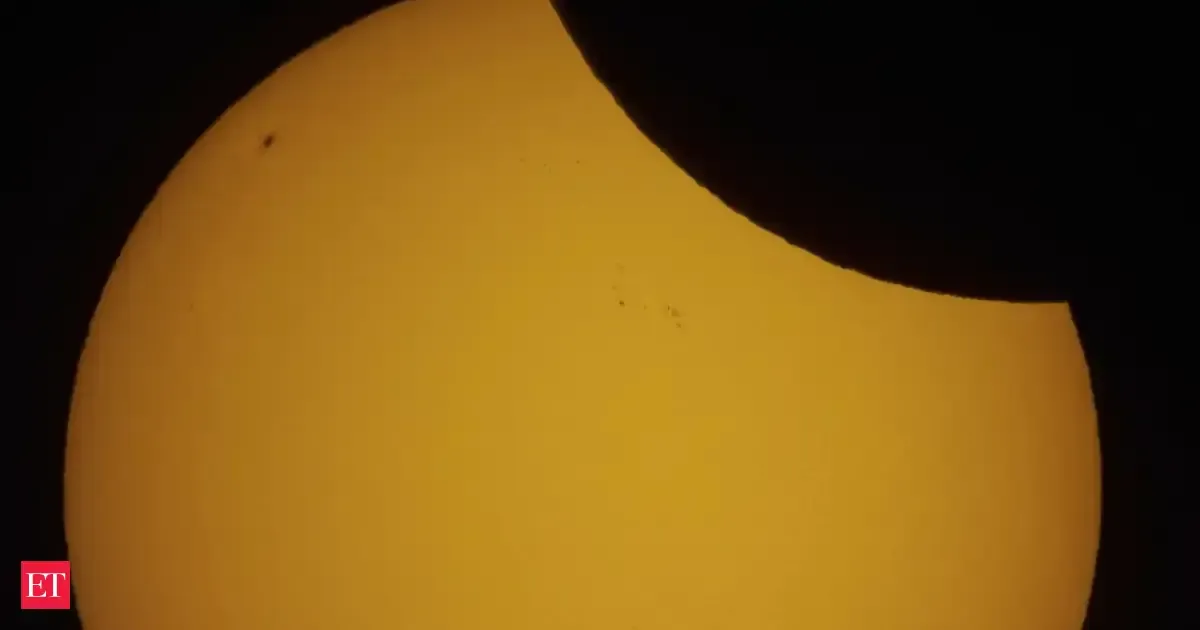
Two significant total solar eclipses are approaching in 2026 and 2027. On August 12, 2026, a total solar eclipse will cross parts of the Northern Hemisphere, including Greenland, Iceland, and northern Europe, but will not be visible in India. The 2027 eclipse, occurring on August 2, will be the longest total solar eclipse visible from land this century, lasting over six minutes near Luxor, Egypt, and crossing southern Spain, North Africa, and the Middle East. Both events offer rare opportunities to observe the Sun's corona and study solar phenomena.

Sentiment
56%
TBN's observations

First-hand measurement across 2 sources

We measured how 2 outlets covered this story. No outlet gave this story a measurable political slant — there is no left–right reading to report. Overall sentiment is neutral (56/100). Lens Score 34/100.

Outlets measured: economictimes, indiatoday. See how each one headlined and framed the same story in the source comparison below.

AI analysis of 2 sources · Published under editorial oversight by The Balanced News
Analysed 2 Aug 2026· How this analysis is produced· Editorial standards· Corrections

AI Analysis

Sentiment — Neutral (56/100)

Sentiment was consistent across outlets (50–62/100), indicating broadly factual reporting rather than editorialising.

Coverage timeline

indiatoday broke this story on 1 Aug, 11:30 am. Other outlets followed.

1 Aug, 11:30 am2 sources · 21 h2 Aug, 08:22 am
AI analysis by the TBN Bias Engine · beat methodology byOjas Kale· Founder & Editor
Next →
3.1 Magnitude Earthquake Hits Mandi District in Himachal Pradesh
1
indiatoday1 Aug, 11:30 am
Solar eclipse is coming: When will it happen and will India be able to see it?
  • 2
    economictimes2 Aug, 08:22 am
    Countdown begins: Exactly 1 year until the century's longest total solar eclipse turns day into night across three continents
  • Story context

    Category
    Generic
    Location
    Luxor, Egypt
    Sources analysed
    2
    Last analysed
    2 Aug 2026
    Key entities
    Solar eclipseMoonEarthEuropeSpainAfricaSunStellar coronaStellar atmosphereTwilightAstronomyNorthern Hemisphere