US House Passes Bill to Make Daylight Saving Time Permanent, Senate Approval Pending
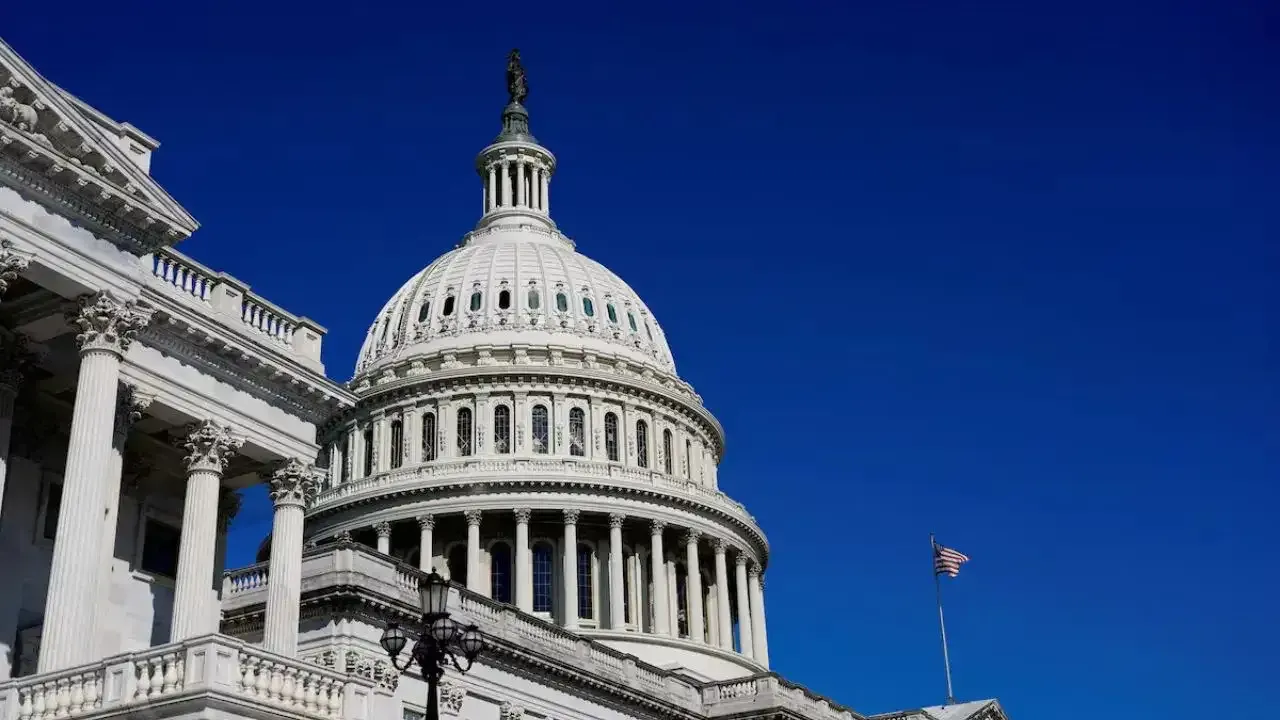
The US House of Representatives passed the Sunshine Protection Act by a 308-117 bipartisan vote, aiming to make daylight saving time permanent nationwide and end twice-yearly clock changes. The bill now moves to the Senate, where its future is uncertain. Supporters, including the White House and former President Trump, argue it benefits health, safety, and the economy by providing more evening daylight. Critics warn of darker winter mornings posing safety risks, especially for children, and question legislative priorities. States may opt out before enactment.
First-hand measurement across 15 sources
We measured how 15 outlets covered this story. Coverage leans balanced overall (Left 0%, Centre 100%, Right 0%). Overall sentiment is neutral (58/100). Lens Score 34/100 — low public interest.
Outlets analysed (first-hand measurement by TBN's Bias Engine):
- economictimes— balanced framing, neutral sentiment
- ndtv— balanced framing, neutral sentiment
- timesnow— balanced framing, neutral sentiment
- thehindu— balanced framing, neutral sentiment
- thehindu— balanced framing, neutral sentiment
- indiatoday— balanced framing, neutral sentiment
- firstpost— balanced framing, neutral sentiment
- wion— balanced framing, neutral sentiment
AI Analysis
The article group presents bipartisan support in the House for the Sunshine Protection Act, highlighting endorsements from Republican leaders and former President Trump, alongside Democratic voices expressing concerns. Coverage includes proponents emphasizing economic and health benefits and opponents focusing on safety and practical issues, reflecting a balanced representation of political perspectives without favoring either side.
The overall tone across the articles is mixed, combining positive sentiment from supporters who view permanent daylight saving time as beneficial for daily life and the economy, with cautionary or negative views from critics concerned about safety and darker mornings. The coverage maintains a neutral stance by presenting both enthusiasm and reservations without sensationalizing either viewpoint.