Typhoon Bavi Approaches East Asia Causing Evacuations and Disruptions
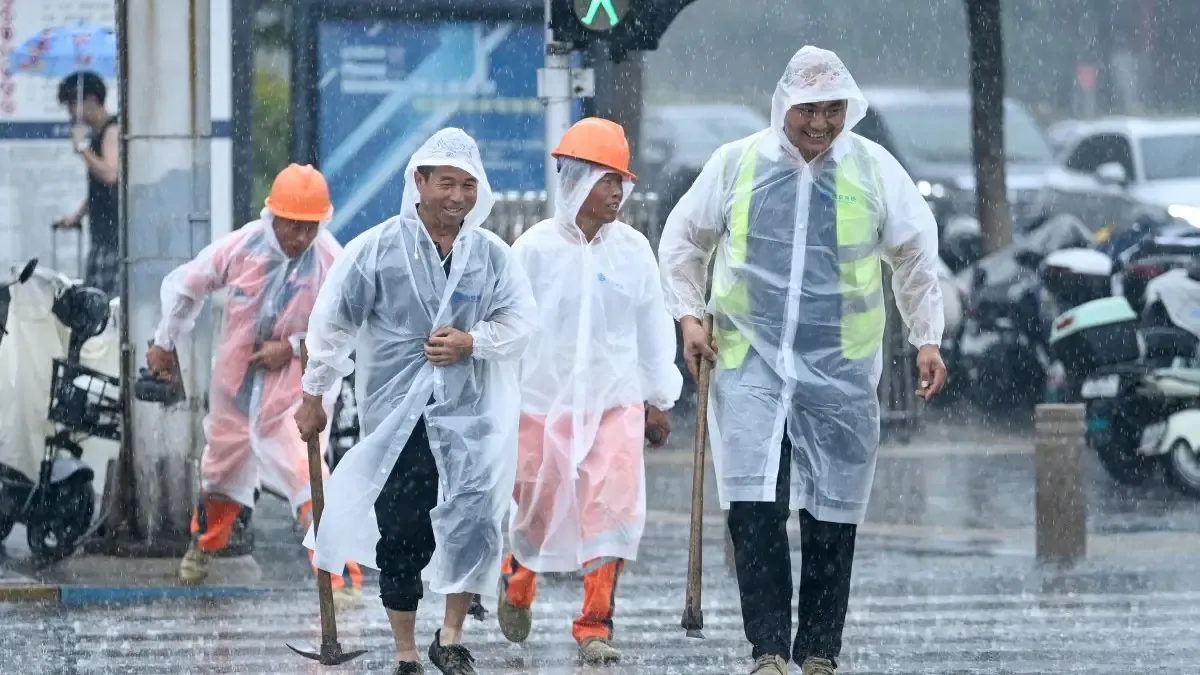
Typhoon Bavi, with sustained winds of around 155-162 km/h, is approaching East Asia, expected to pass north of Taiwan before making landfall in eastern China near Fujian and Zhejiang provinces. The storm has prompted evacuations of over 17,000 people in China and more than 2,000 in Taiwan, where schools and offices have closed and flights canceled. Japan's southwestern Sakishima Islands are also on high alert. The typhoon follows a week of deadly storms in the region, including landslides in the Philippines that killed at least 15 people.
First-hand measurement across 9 sources
We measured how 9 outlets covered this story. Coverage leans balanced overall (Left 0%, Centre 100%, Right 0%). Overall sentiment is negative (32/100). Lens Score 39/100 — moderate-to-low public interest.
Outlets analysed (first-hand measurement by TBN's Bias Engine):
- firstpost— balanced framing, neutral sentiment
- theprint— balanced framing, neutral sentiment
- theprint— balanced framing, neutral sentiment
- mint— balanced framing, negative sentiment
- thetelegraph— balanced framing, neutral sentiment
- businessstandard— balanced framing, negative sentiment
- indiatoday— balanced framing, negative sentiment
- economictimes— balanced framing, neutral sentiment
AI Analysis
The article group presents a largely factual and neutral perspective focused on the meteorological event and its impacts. Coverage includes official government actions such as evacuations and warnings from China, Taiwan, Japan, and the Philippines, without political commentary. Sources emphasize public safety measures and disaster response, reflecting a consensus on the seriousness of the storm rather than political viewpoints.
The overall tone across the articles is serious and cautionary, reflecting concern over the typhoon's potential damage and recent fatalities from related storms. While the coverage highlights disruptions and loss of life, it remains factual and restrained, focusing on preparedness and response efforts rather than sensationalizing the event. The sentiment is predominantly neutral to somber, consistent with reporting on natural disasters.