Prehistoric Cave in Israel Reveals Acheulo-Yabrudian Culture and Early Human Life
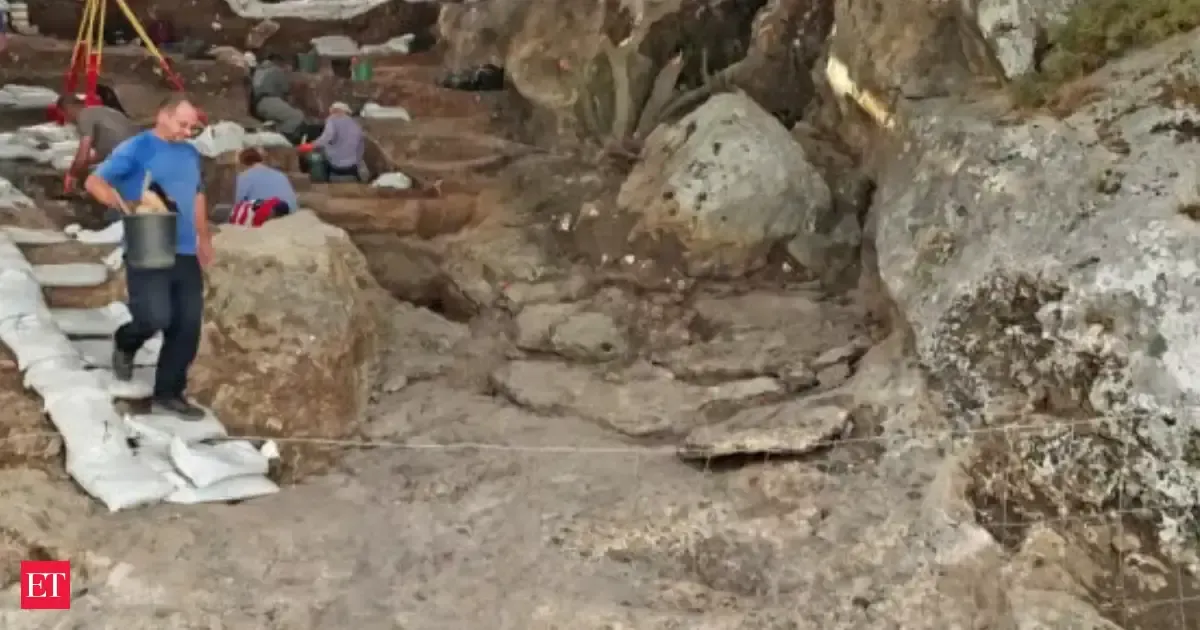
Archaeologists in Israel have uncovered a well-preserved prehistoric cave in Fureidis dating between 400,000 and 250,000 years ago. The site, linked to the Acheulo-Yabrudian culture, contains flint tools, animal bones, and evidence of repeated habitation by pre-Neanderthal hominins. These findings offer rare insights into early human tool use, hunting practices, and social complexity during the Lower Paleolithic period in the Levant.
First-hand measurement across 2 sources
We measured how 2 outlets covered this story. Coverage leans balanced overall (Left 0%, Centre 100%, Right 0%). Overall sentiment is positive (75/100). Lens Score 30/100 — low public interest.
Outlets analysed (first-hand measurement by TBN's Bias Engine):
- economictimes— balanced framing, positive sentiment
- mint— balanced framing, positive sentiment
AI Analysis
The articles present a scientific discovery focused on archaeology and human evolution without political framing. Both sources emphasize research findings from Israeli institutions and international collaboration, maintaining a neutral tone centered on historical and anthropological significance rather than political or ideological perspectives.
Coverage across the articles is generally positive and informative, highlighting the significance and surprise of the discovery. The tone is factual and respectful, emphasizing the scientific value and rarity of the site without sensationalism or emotional language.
How 2 sources covered this story
Each source's own headline, political lean, and sentiment — so you can see framing differences at a glance.