Skip to content
Get the Balanced News app for a better experience!
The Balanced News Logo
Analytics
The Balanced News Logo

Stay Balanced, Stay Informed

Menu
  • Browse News
  • Underreported Stories
  • Curated Feeds
  • Insights
  • Analytics
  • Our Writers
  • About Us
  • Download App
Learn
  • How It Works
  • Bias Detection
  • Lens Score
  • Source Bias Checker
  • Accountability
  • Custom Feeds
Newsroom
  • Writers & Analysts
  • About TBN
  • Editorial Standards
  • Corrections Policy
  • Our Partners
  • Insights
Socials
  • Youtube
  • Instagram
  • X
  • Facebook
News Categories
  • Trending
  • Politics
  • Sports
  • Business
  • Tech
  • Entertainment
  • Health
  • Science
  • Crime
  • Lifestyle
  • National
  • International
  • Good News
  • Crypto

Get Our App

Available for iOS and Android


LensFeedsInsightsAnalyticsTrendingGood NewsSportsPoliticsBusinessCrimeTechEntertainmentHealthNationalInternational

© 2026 The Balanced News. All rights reserved.

About UsEditorial StandardsCorrectionsHelp & SupportPrivacy PolicyTerms & Conditions
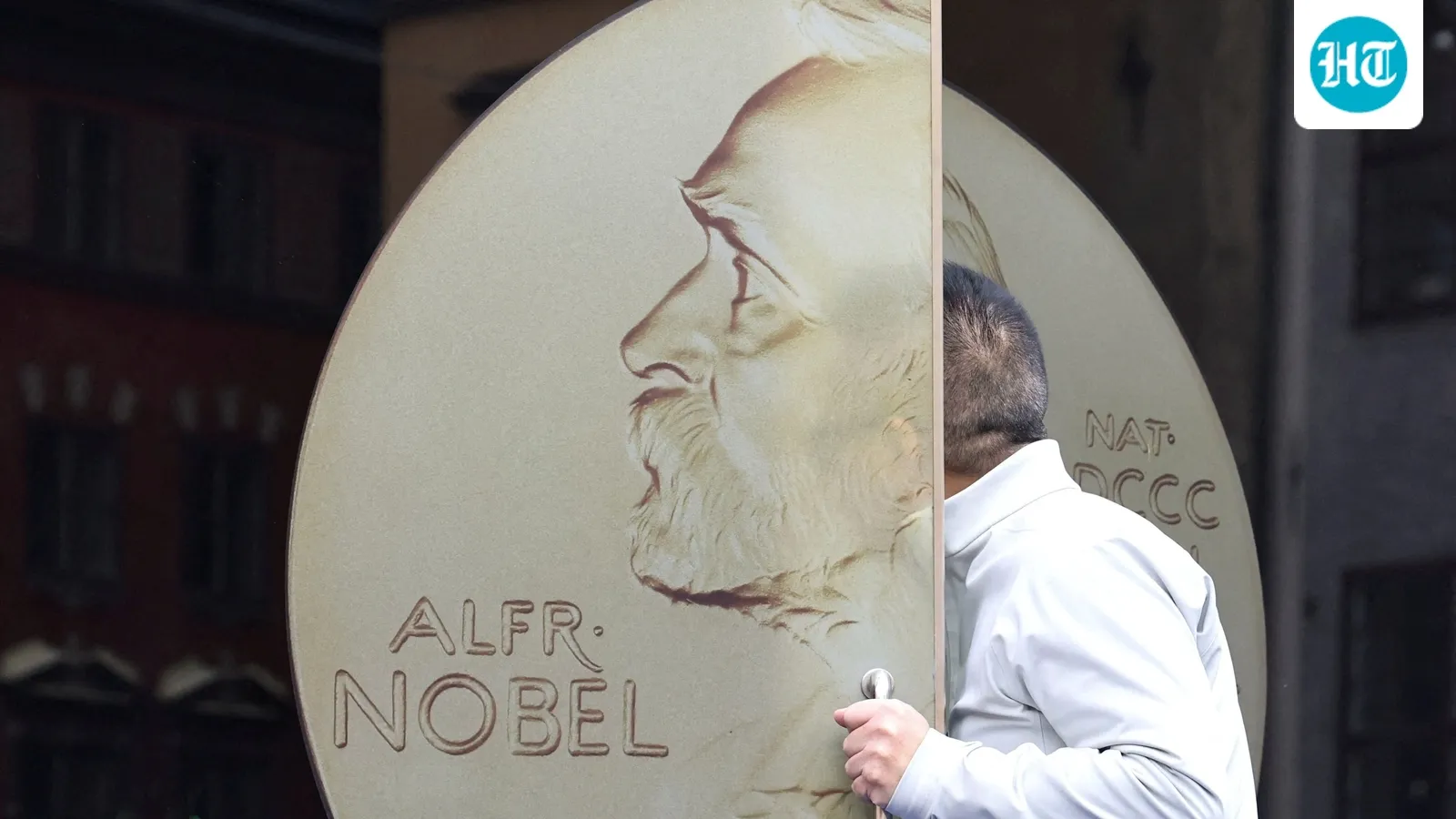
2026 Nobel Prize in Medicine Highlights Key Contributors and Exclusions in Optogenetics
Categories

Categories

Related Coverage

Select a news story to see related coverage from other media outlets.

Related Coverage

Select a news story to see related coverage from other media outlets.

  1. Home
  2. /
  3. General

2026 Nobel Prize in Medicine Highlights Key Contributors and Exclusions in Optogenetics

Analysed 9 Oct 2026·2 sources analysed·Bamberg, Germany·General
2026 Nobel Prize in Medicine Highlights Key Contributors and Exclusions in OptogeneticsPreviousNext

The 2026 Nobel Prize in Physiology or Medicine was awarded to Karl Deisseroth, Peter Hegemann, and Georg Nagel for their pioneering work in optogenetics, a technique using light to control nerve cells. While the prize recognizes these principal investigators, several key contributors, including former research associates and collaborators like Suneel Kateriya, Gero Miessenböck, Edward Boyden, and Ernst Bamberg, were not included due to Nobel rules limiting recipients to three living individuals. This highlights ongoing debates about recognition in collaborative scientific achievements.

Sentiment
52%
TBN's observations

First-hand measurement across 2 sources

We measured how 2 outlets covered this story. No outlet gave this story a measurable political slant — there is no left–right reading to report. Overall sentiment is neutral (52/100). Lens Score 30/100.

Outlets measured: hindustantimes, thehindu. See how each one headlined and framed the same story in the source comparison below.

AI analysis of 2 sources · Published under editorial oversight by The Balanced News
Analysed 9 Oct 2026· How this analysis is produced· Editorial standards· Corrections

AI Analysis

Sentiment — Neutral (52/100)

Sentiment was consistent across outlets (52–52/100), indicating broadly factual reporting rather than editorialising.

Coverage timeline

thehindu broke this story on 8 Oct, 06:14 am. Other outlets followed.

8 Oct, 06:14 am2 sources · 20 h9 Oct, 02:34 am
  1. 1
AI analysis by the TBN Bias Engine · beat methodology byOjas Kale· Founder & Editor
← Previous
Two Rare Migratory Shrike Species Recorded for First Time at Pong Lake, Himachal Pradesh
Next →
CMRS Completes Safety Inspection of Namma Metro's Elevated Pink Line Corridor
thehindu8 Oct, 06:14 am
The people this year's Nobel Prizes left out
  • 2
    hindustantimes9 Oct, 02:34 am
    The research associates who help scientists on their Nobel journey
  • Story context

    Category
    Generic
    Location
    Bamberg, Germany
    Sources analysed
    2
    Last analysed
    9 Oct 2026
    Key entities
    Doctor of PhilosophyNobel PrizeOptogeneticsProteinGeorg NagelPeter HegemannChannelrhodopsinKarl DeisserothJocelyn Bell BurnellNeuronJapanFrederick Banting