Skip to content
Get the Balanced News app for a better experience!
The Balanced News Logo
Analytics
The Balanced News Logo

Stay Balanced, Stay Informed

Menu
  • Browse News
  • Underreported Stories
  • Curated Feeds
  • Insights
  • Analytics
  • Our Writers
  • About Us
  • Download App
Learn
  • How It Works
  • Bias Detection
  • Lens Score
  • Source Bias Checker
  • Accountability
  • Custom Feeds
Newsroom
  • Writers & Analysts
  • About TBN
  • Editorial Standards
  • Corrections Policy
  • Our Partners
  • Insights
Socials
  • Youtube
  • Instagram
  • X
  • Facebook
News Categories
  • Trending
  • Politics
  • Sports
  • Business
  • Tech
  • Entertainment
  • Health
  • Science
  • Crime
  • Lifestyle
  • National
  • International
  • Good News
  • Crypto

Get Our App

Available for iOS and Android


LensFeedsInsightsAnalyticsTrendingGood NewsSportsPoliticsBusinessCrimeTechEntertainmentHealthNationalInternational

© 2026 The Balanced News. All rights reserved.

About UsEditorial StandardsCorrectionsHelp & SupportPrivacy PolicyTerms & Conditions
Study Finds Earth and Mars Formed Differently from Same Cosmic Cloud
Categories

Categories

Related Coverage

Select a news story to see related coverage from other media outlets.

Related Coverage

Select a news story to see related coverage from other media outlets.

  1. Home
  2. /
  3. General

Study Finds Earth and Mars Formed Differently from Same Cosmic Cloud

Analysed 2 Oct 2026·3 sources analysed·General
Study Finds Earth and Mars Formed Differently from Same Cosmic CloudPreviousNext

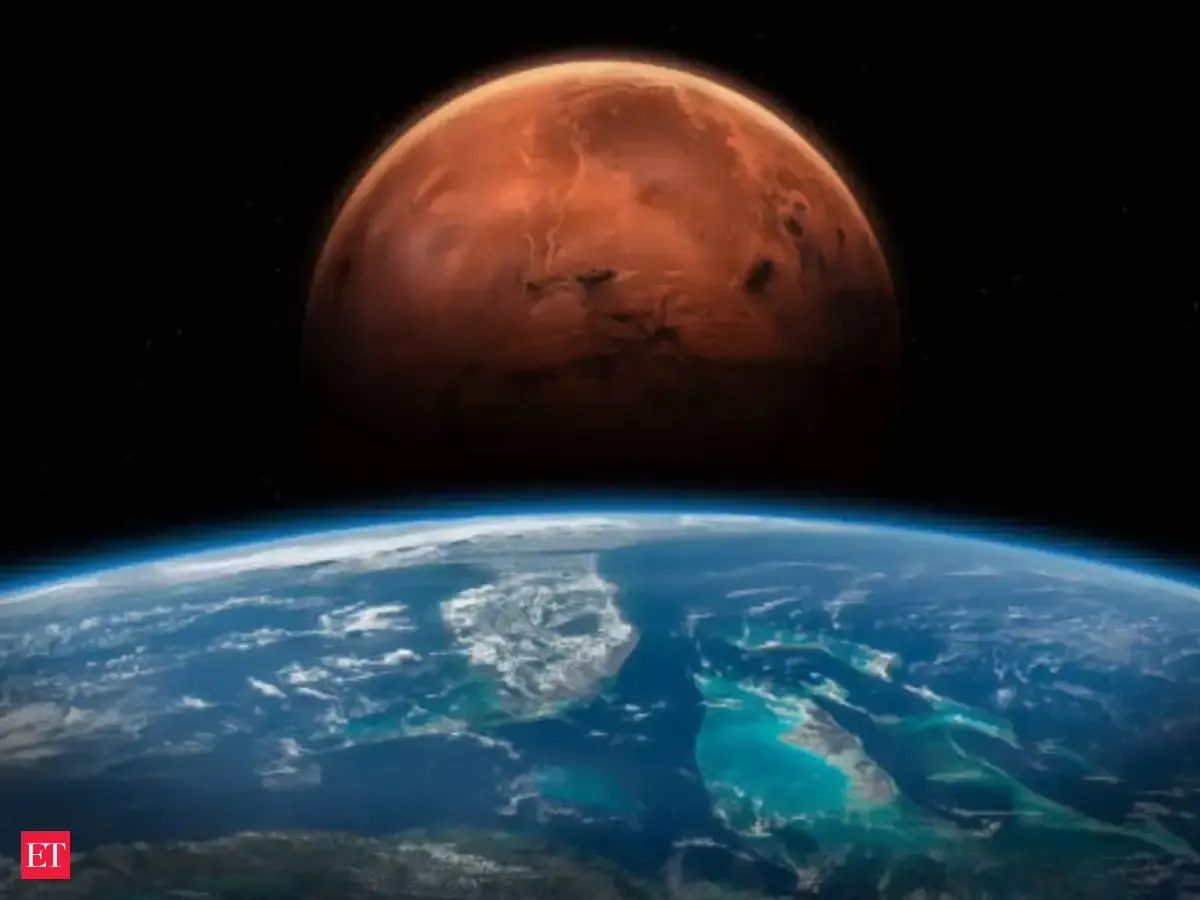
Researchers at the Globe Institute, University of Copenhagen, studied the formation of Earth and Mars, revealing that although both planets originated from the same rotating cloud of gas and dust, they formed through different processes. Earth's mass mainly came from larger protoplanets that grew by accreting pebbles, while Mars's mass primarily originated from smaller planetesimals formed by collisions. The study analyzed volatile elements and was published in Nature Astronomy, providing new insights into planetary formation 4.5 billion years ago.

Sentiment
50%
TBN's observations

First-hand measurement across 3 sources

We measured how 3 outlets covered this story. No outlet gave this story a measurable political slant — there is no left–right reading to report. Overall sentiment is neutral (50/100). Lens Score 32/100.

Outlets measured: economictimes, economictimes, news18. See how each one headlined and framed the same story in the source comparison below.

AI analysis of 3 sources · Published under editorial oversight by The Balanced News
Analysed 2 Oct 2026· How this analysis is produced· Editorial standards· Corrections

AI Analysis

Sentiment — Neutral (50/100)

Sentiment was consistent across outlets (50–50/100), indicating broadly factual reporting rather than editorialising.

Coverage timeline

news18 broke this story on 2 Oct, 08:31 am. Other outlets followed.

2 Oct, 08:31 am3 sources · 2 h2 Oct, 10:27 am
AI analysis by the TBN Bias Engine · beat methodology byOjas Kale· Founder & Editor
← Previous
Chad Lowe's Daughter Fiona Dies at 13; Suicide Confirmed by Medical Examiner
Next →
North Western Railway Opens Applications for 2,008 Apprentice Posts from October 7
  1. 1
    news182 Oct, 08:31 am
    Earth, Mars born from same cloud of gas and dust, yet formed differently: Study
  2. 2
    economictimes2 Oct, 10:17 am
    Study reveals that Earth and Mars originated from the same cosmic cloud but evolved uniquely over time
  3. 3
    economictimes2 Oct, 10:27 am
    Earth, Mars born from same cloud of gas and dust, yet formed differently: Study

Story context

Category
Generic
Sources analysed
3
Last analysed
2 Oct 2026
Key entities
ProtoplanetPlanetesimalUniversity of CopenhagenMarsEarthEarth massSolar SystemCloudVolatile (astrogeology)Pebble accretionNebular hypothesisAccretion (astrophysics)