Heavy Monsoon Rains Cause Waterlogging and Traffic Disruptions in Delhi-NCR
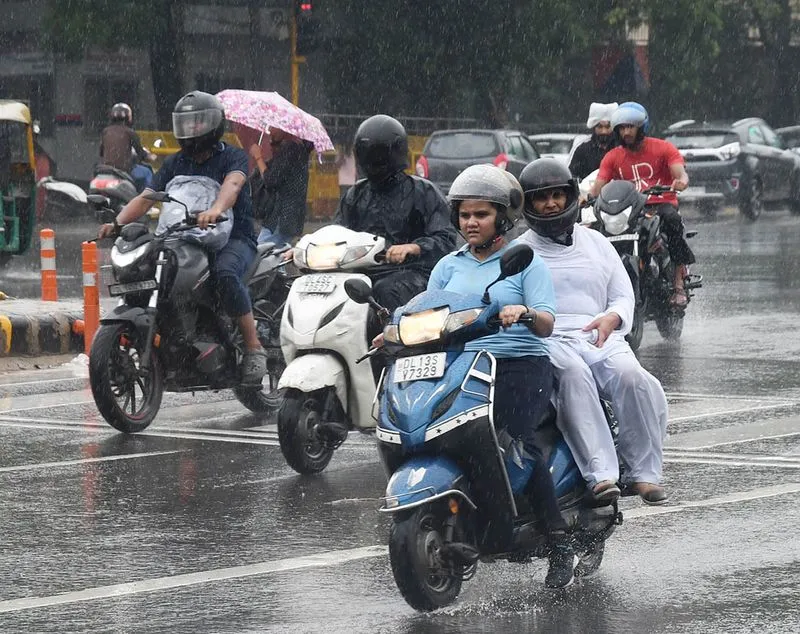
Delhi and the National Capital Region experienced heavy monsoon rains from July 8-9, leading to widespread waterlogging, traffic disruptions, and cooler temperatures. The India Meteorological Department (IMD) issued red and orange alerts, forecasting continued moderate to heavy rainfall with thunderstorms and gusty winds through July 10. Key areas including New Delhi Railway Station, Munirka, Noida, Ghaziabad, and Gurugram faced significant flooding and transport delays. Authorities advised caution and deployed teams to manage waterlogging and traffic. The rains improved air quality but also caused infrastructural challenges, including uprooted trees and a building collapse in Rohini that resulted in three fatalities.
First-hand measurement across 15 sources
We measured how 15 outlets covered this story. Coverage leans balanced overall (Left 2%, Centre 98%, Right 0%). Overall sentiment is neutral (42/100). Lens Score 30/100 — low public interest.
Outlets analysed (first-hand measurement by TBN's Bias Engine):
- thestatesman— balanced framing, positive sentiment
- english— balanced framing, neutral sentiment
- indiatoday— balanced framing, neutral sentiment
- indiatoday— balanced framing, neutral sentiment
- hindustantimes— balanced framing, neutral sentiment
- businessstandard— balanced framing, negative sentiment
- english— balanced framing, neutral sentiment
- indiatoday— balanced framing, neutral sentiment
AI Analysis
The article group presents a range of perspectives primarily focused on weather updates, government alerts, and civic responses without evident political framing. Coverage includes official IMD forecasts, municipal actions, and public advisories, reflecting a neutral stance. Some reports highlight administrative efforts to manage waterlogging and traffic, while others note infrastructural challenges, maintaining balanced representation of government and citizen experiences.
The overall sentiment across the articles is mixed, combining relief from the heatwave and improved air quality with the negative impacts of flooding, traffic congestion, and infrastructural damage. While the rain is portrayed as beneficial for temperature and pollution levels, the coverage also emphasizes disruptions, safety concerns, and tragic incidents, resulting in a balanced tone that acknowledges both positive and adverse effects.