India Records Fifth Driest June as Southwest Monsoon Advances with Heavy Rainfall
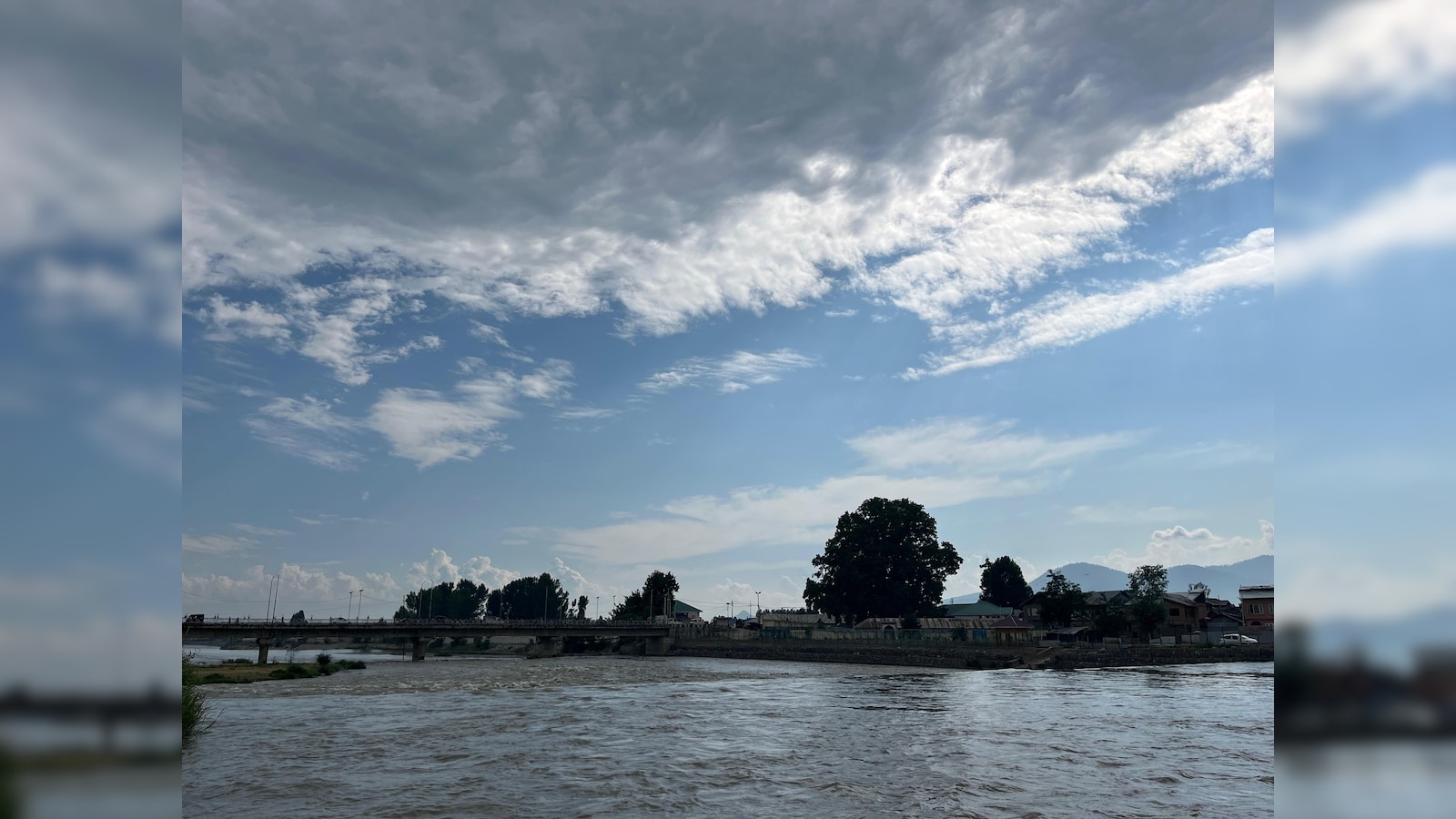
India experienced its fifth driest June in 125 years, with rainfall nearly 40% below normal due to delayed southwest monsoon onset and atmospheric factors like El Niño and Madden-Julian Oscillation. Despite this, the monsoon has advanced into northern and western regions, including Punjab, Haryana, and Delhi-NCR, where heavy rains and thunderstorms have brought relief from heat. The India Meteorological Department (IMD) forecasts continued rainfall and strong winds across many states, issuing alerts for heavy precipitation and anticipating further monsoon progress in the coming days.
First-hand measurement across 15 sources
We measured how 15 outlets covered this story. Coverage leans balanced overall (Left 0%, Centre 100%, Right 0%). Overall sentiment is neutral (52/100). Lens Score 30/100 — low public interest.
Outlets analysed (first-hand measurement by TBN's Bias Engine):
- hindustantimes— balanced framing, neutral sentiment
- thetribune— balanced framing, neutral sentiment
- ndtv— balanced framing, negative sentiment
- indiatoday— balanced framing, neutral sentiment
- mint— balanced framing, neutral sentiment
- economictimes— balanced framing, neutral sentiment
- ndtv— balanced framing, neutral sentiment
- hindustantimes— balanced framing, neutral sentiment
AI Analysis
The article group presents a range of perspectives primarily from official sources like the India Meteorological Department and meteorological experts, focusing on factual weather updates and forecasts. Coverage includes government-issued alerts and scientific explanations without partisan framing. There is balanced representation of concerns about rainfall deficits and optimistic outlooks on monsoon advancement, reflecting a neutral stance across sources.
The overall sentiment is mixed but leans toward cautiously positive, highlighting the relief brought by advancing monsoon rains after a notably dry and hot June. While concerns about the rainfall deficit and its agricultural impact are noted, the tone remains factual and forward-looking, emphasizing ongoing weather developments and preparedness through alerts rather than alarm or optimism alone.