Severe Storms, Floods, and Landslide Cause Deaths and Damage Across China
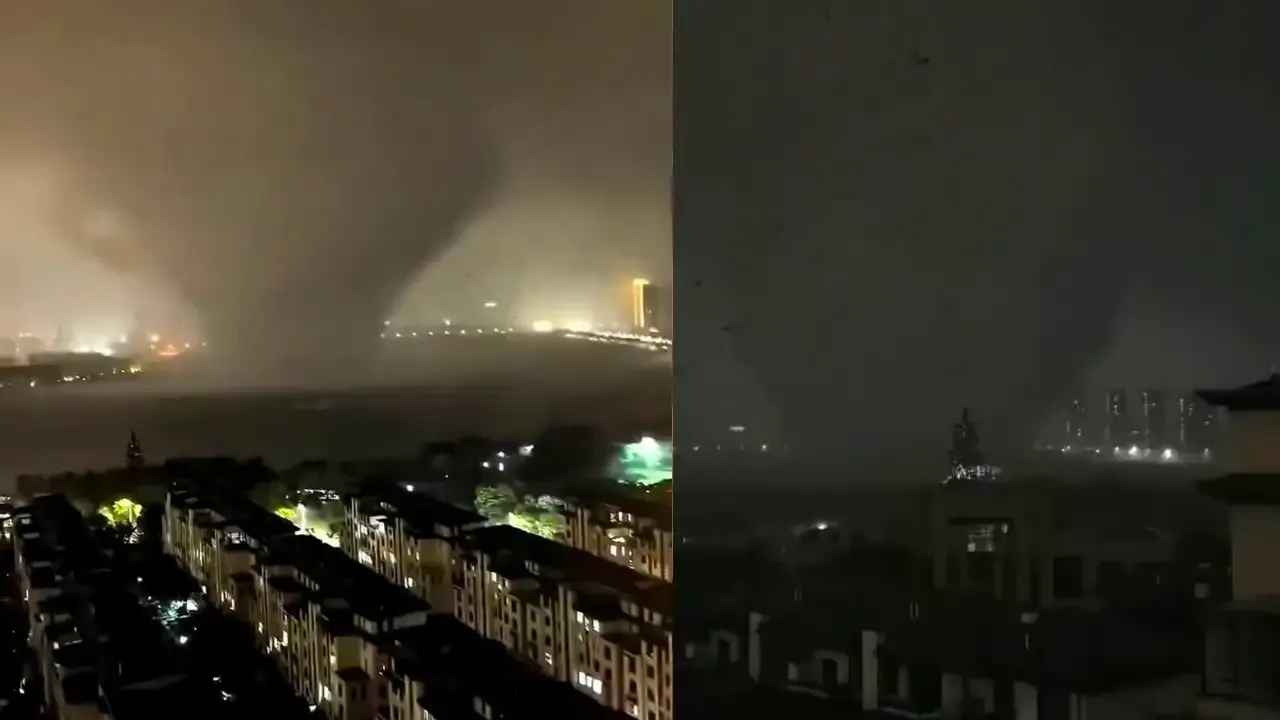
Severe convective storms, including rare tornadoes, thunderstorms, and gale-force winds, struck central China's Hubei Province on July 6, killing at least 11 people, injuring over 330, and damaging thousands of buildings. Concurrently, southern Guangxi faced catastrophic flooding from Typhoon Maysak, causing at least four deaths, displacing over 50,000 residents, and breaching a reservoir dam. In northwest China's Gansu Province, a landslide buried 33 people, with ongoing rescue efforts. Chinese President Xi Jinping has called for all-out emergency rescue and disaster relief operations amid these extreme weather events.
First-hand measurement across 15 sources
We measured how 15 outlets covered this story. Coverage leans balanced overall (Left 0%, Centre 100%, Right 0%). Overall sentiment is negative (29/100). Lens Score 51/100 — moderate public interest.
Outlets analysed (first-hand measurement by TBN's Bias Engine):
- news18— balanced framing, negative sentiment
- ndtv— balanced framing, neutral sentiment
- easternmirror— balanced framing, negative sentiment
- indiatoday— balanced framing, negative sentiment
- hindustantimes— balanced framing, negative sentiment
- mint— balanced framing, negative sentiment
- indiatoday— balanced framing, negative sentiment
- news18— balanced framing, negative sentiment
AI Analysis
The article group predominantly reflects official Chinese government sources and state media, emphasizing the government's response and leadership, including President Xi Jinping's directives for rescue efforts. Coverage includes meteorological authorities and local officials, presenting the events as natural disasters with climate change mentioned as a contributing factor. There is limited presence of critical or alternative perspectives, focusing mainly on factual reporting and official statements.
The overall tone across the articles is serious and somber, reflecting the human and infrastructural toll of the severe weather events. While the coverage highlights the scale of destruction and casualties, it also underscores ongoing rescue and relief efforts, conveying a sense of urgency and response rather than sensationalism. The sentiment is predominantly neutral to negative due to the disaster context, with some elements of cautious optimism regarding emergency operations.