Henri Becquerel Accidentally Discovers Radioactivity in 1896 Experiment
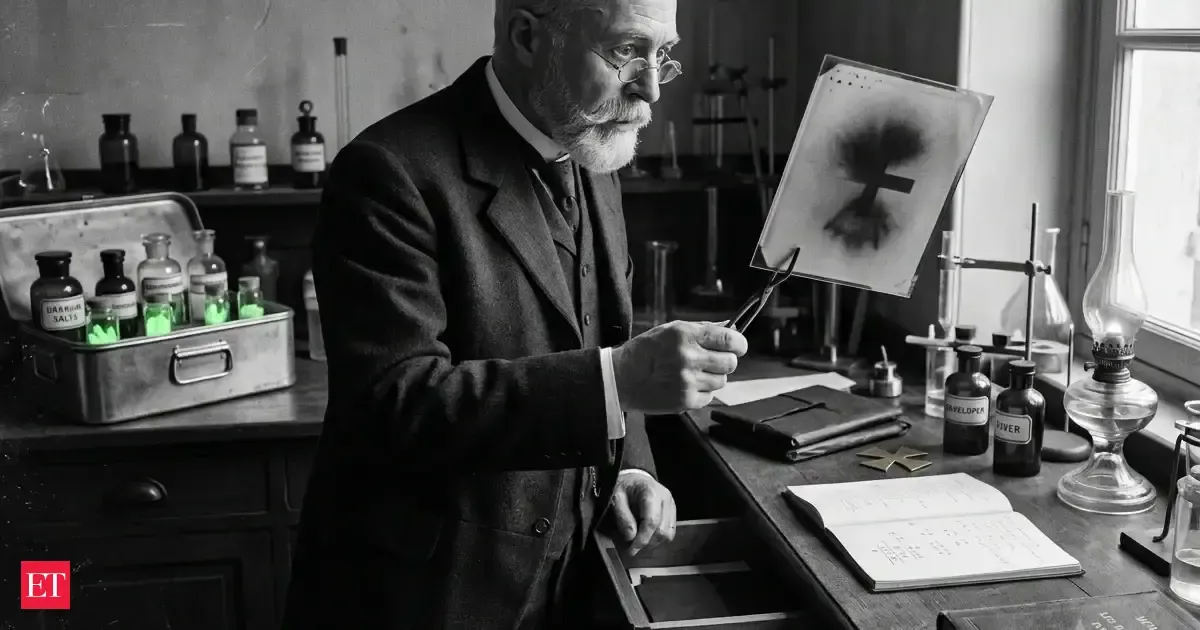
In 1896, French physicist Henri Becquerel accidentally discovered radioactivity while studying uranium compounds. Expecting phosphorescent materials to produce X rays after sunlight exposure, he left uranium crystals on photographic plates wrapped in black paper inside a dark drawer during overcast weather. Upon developing the plates, he found they had been exposed, revealing uranium emitted penetrating radiation without sunlight. This discovery initiated the study of radioactivity, influencing nuclear science, medicine, and physics.
First-hand measurement across 2 sources
We measured how 2 outlets covered this story. No outlet gave this story a measurable political slant — there is no left–right reading to report. Overall sentiment is neutral (50/100). Lens Score 31/100.
Outlets measured: economictimes, economictimes. See how each one headlined and framed the same story in the source comparison below.
AI Analysis
Sentiment was consistent across outlets (50–50/100), indicating broadly factual reporting rather than editorialising.
Coverage timeline
economictimes broke this story on 19 Aug, 08:26 pm. Other outlets followed.