Europe Faces Record Heatwave Causing Over 1,300 Deaths and Infrastructure Strain
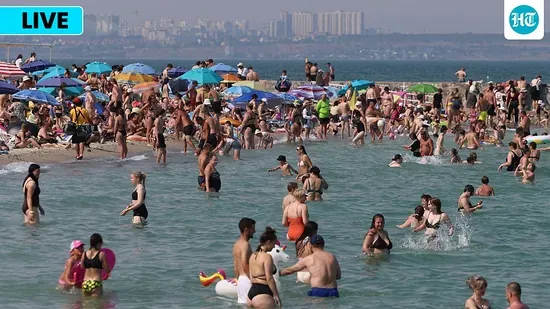
Europe is experiencing a record-breaking early summer heatwave, with temperatures exceeding 40°C in multiple countries, including France, Germany, and Italy. The extreme heat has caused over 1,300 excess deaths since June 21, primarily affecting older adults, and has strained healthcare, transport, and infrastructure systems. Wildfires and damaged roads have disrupted daily life, while the continent's housing and cooling infrastructure, not designed for such heat, have heightened vulnerability. Scientists link the event to climate change, warning of increasing frequency and severity of such heatwaves.
First-hand measurement across 15 sources
We measured how 15 outlets covered this story. Coverage leans balanced overall (Left 1%, Centre 99%, Right 0%). Overall sentiment is negative (29/100). Lens Score 34/100 — low public interest.
Outlets analysed (first-hand measurement by TBN's Bias Engine):
- english— balanced framing, negative sentiment
- indiatoday— balanced framing, negative sentiment
- mint— balanced framing, negative sentiment
- hindustantimes— balanced framing, negative sentiment
- wion— balanced framing, negative sentiment
- thetelegraph— balanced framing, negative sentiment
- moneycontrol— balanced framing, negative sentiment
- firstpost— balanced framing, negative sentiment
AI Analysis
The article group presents a range of perspectives focusing on the heatwave's impact, scientific explanations, and public health responses without partisan framing. Sources include government agencies, health organizations, and scientific experts, emphasizing climate change as a key factor. While some articles highlight adaptation challenges and infrastructure issues, none overtly politicize the event, maintaining a largely factual and policy-neutral tone.
Coverage across the articles is predominantly serious and cautionary, reflecting concern over the human toll and infrastructural damage caused by the heatwave. The tone is largely negative due to the reporting of deaths, disruptions, and health risks, but also includes practical information and adaptation lessons, offering a balanced view without sensationalism.