Heavy Monsoon Rains Cause Flooding and Disruptions Across West Bengal Including Kolkata and North Bengal
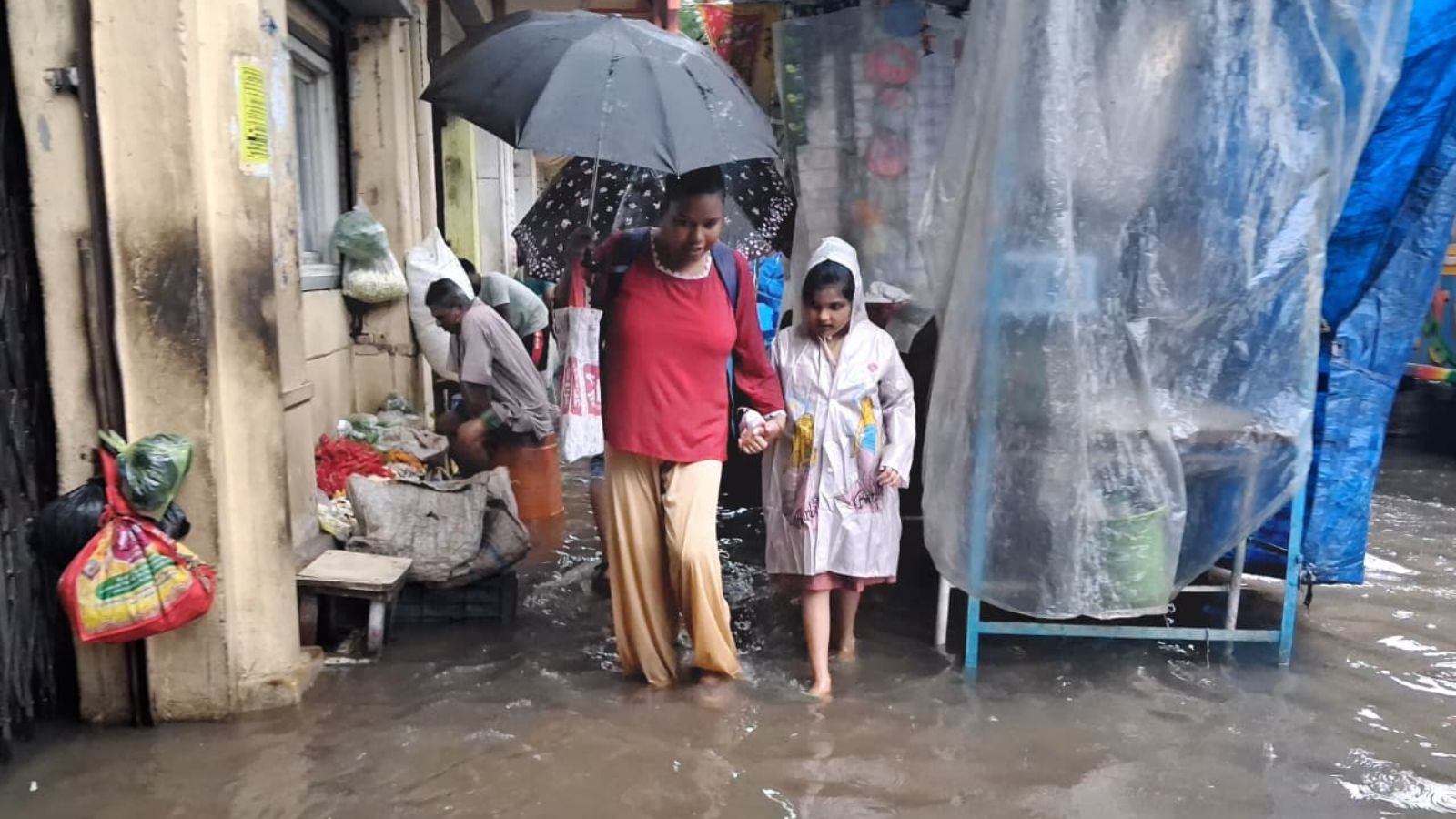
Heavy monsoon rains have brought relief from heat but caused widespread waterlogging, traffic disruptions, and flooding in Kolkata and adjoining south Bengal districts. The India Meteorological Department (IMD) issued orange alerts for Kolkata and nearby areas, and red alerts for parts of north Bengal, including Jalpaiguri and Alipurduar. The rains triggered landslides and a bridge collapse in Darjeeling, while emergency teams worked to manage flooding and maintain connectivity. The downpour also affected daily life, schools, and transport, including disruptions at Kolkata's airport.
First-hand measurement across 10 sources
We measured how 10 outlets covered this story. Coverage leans balanced overall (Left 5%, Centre 93%, Right 2%). Overall sentiment is neutral (40/100). Lens Score 31/100 — low public interest.
Outlets analysed (first-hand measurement by TBN's Bias Engine):
- thehindu— balanced framing, neutral sentiment
- indianexpress— balanced framing, negative sentiment
- indianexpress— balanced framing, neutral sentiment
- republicworld— balanced framing, neutral sentiment
- indiatoday— balanced framing, negative sentiment
- indiatoday— balanced framing, neutral sentiment
- zeenews— balanced framing, neutral sentiment
- thetelegraph— balanced framing, neutral sentiment
AI Analysis
The article group presents a largely factual and administrative perspective, focusing on weather developments and their impacts without political framing. Sources include government meteorological updates and civic authorities, with no evident partisan viewpoints. Coverage emphasizes official warnings, emergency responses, and public inconvenience, reflecting a neutral stance centered on public safety and infrastructure challenges.
The overall tone across the articles is mixed, combining relief from heat with negative impacts such as flooding, traffic snarls, and infrastructure damage. While the rains are described as beneficial for ending dry spells, the coverage highlights disruptions to daily life and safety concerns, resulting in a balanced sentiment that acknowledges both positive and adverse effects.