Media Insights & Analysis from The Balanced News
Original research, explainers and long-form analysis on how Indian media frames the news. We investigate coverage gaps, ownership patterns, narrative shifts and accountability stories that mainstream outlets miss or downplay.
Every piece below is grounded in data from 202+ articles across 50+ Indian news sources, analysed for bias, sentiment and Lens Score. Written for readers who want to understand the press, not just consume it.
Media Literacy & Research
Media Insights & Analysis
Deep dives into media bias, news coverage patterns, and how to become a more informed news consumer. Research-backed analysis from our team.

Media Analysis
8 June 202617 min read
Israel-Iran Strikes: How Indian Media Picks Sides Subtly
As Israel and Iran traded strikes in June 2026, Indian news outlets covered the same war through wildly different lenses. The framing gap reveals more about India's shifting geopolitical allegiances and the structural erosion of editorial independence than about the actual conflict.
Read more

Media Analysis
7 June 202617 min read
LPG Price Hikes: Why Media Explains Costs, Not Accountability
Every time LPG prices rise, Indian media runs the same playbook: explain the global reasons, quote city-wise rates, and move on. What almost nobody asks is why India's pricing structure, subsidy design, and political timing of hikes look the way they do.
Read more

Media Analysis
6 June 202618 min read
RBI Holds Repo Rate: How Media Spins 'Status Quo' as Signal
The RBI held the repo rate at 5.25% for the third straight time, but the real story is how Indian media turned an expected non-event into wildly different narratives. Depending on where you read, the central bank is either safeguarding growth or quietly preparing for a rate hike.
Read more
Media Analysis
5 June 202618 min read
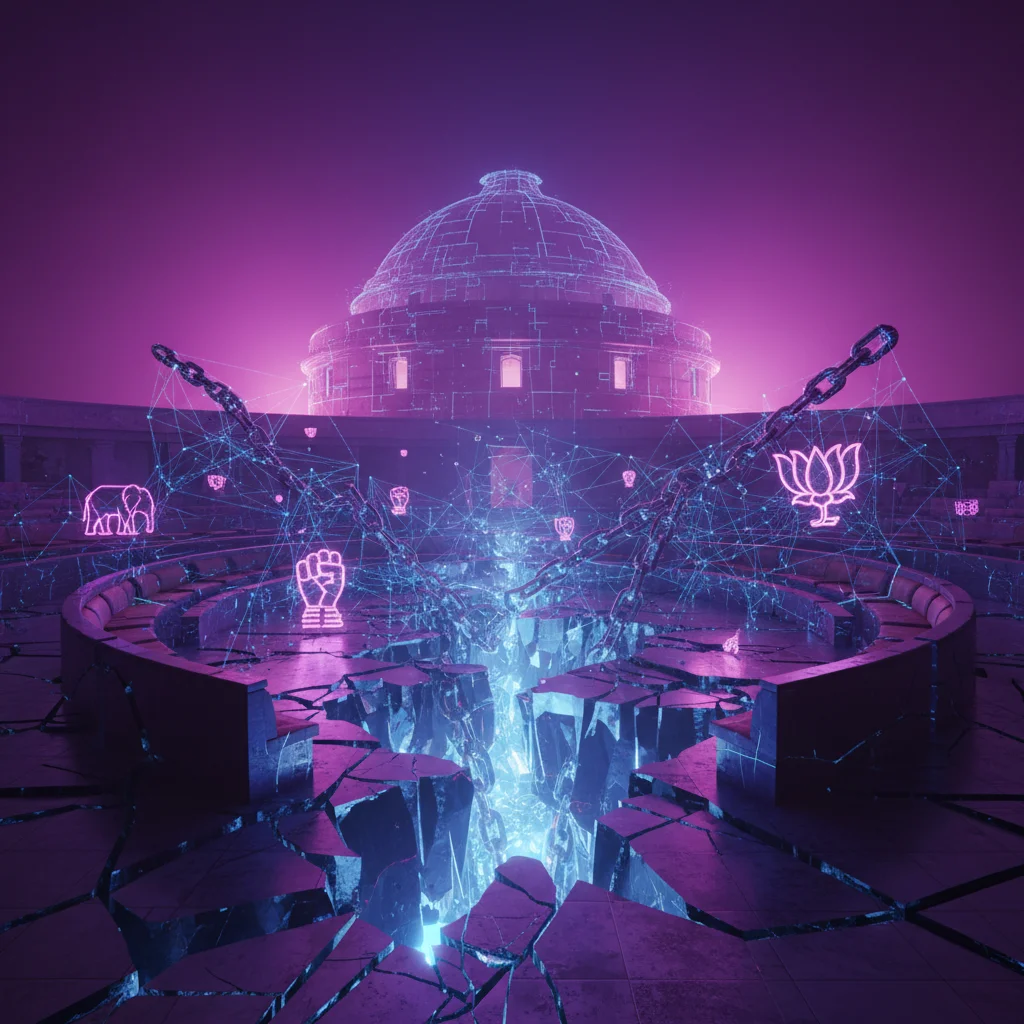
DMK Skips INDIA Bloc Meet: How Media Frames Opposition 'Unity'
The DMK boycotts the June 8 INDIA bloc meeting over Congress's Tamil Nadu betrayal. Right-wing outlets call it collapse, left-leaning outlets call it a fixable rift. The framing gap tells you more about Indian media than about opposition politics.
Read more

Media Analysis
4 June 202617 min read
Delhi Hotel Fire Coverage: Safety Failure or Blame Game?
Twenty-one people died in a Delhi hotel fire. Indian media found its villain fast: the hotel owner. But the real story is about a regulatory system where a building operates as a commercial hotel for years without a single fire safety inspection, because the agency responsible for referring it never did.
Read more

Education
3 June 202620 min read
CBSE's OSM Tender Row: Governance Failure or Scapegoat Hunt?
CBSE outsourced its Class 12 digital evaluation to a company linked to the 2019 Telangana exam disaster. A 17-year-old whistleblower documented 15 tender changes that appear tailored for this firm. The government transferred two bureaucrats. The opposition calls it a cover-up.
Read more
Showing 55-60 of 202 articles