Challenges in India's Electoral Roll Revision Affect Diverse Urban Populations
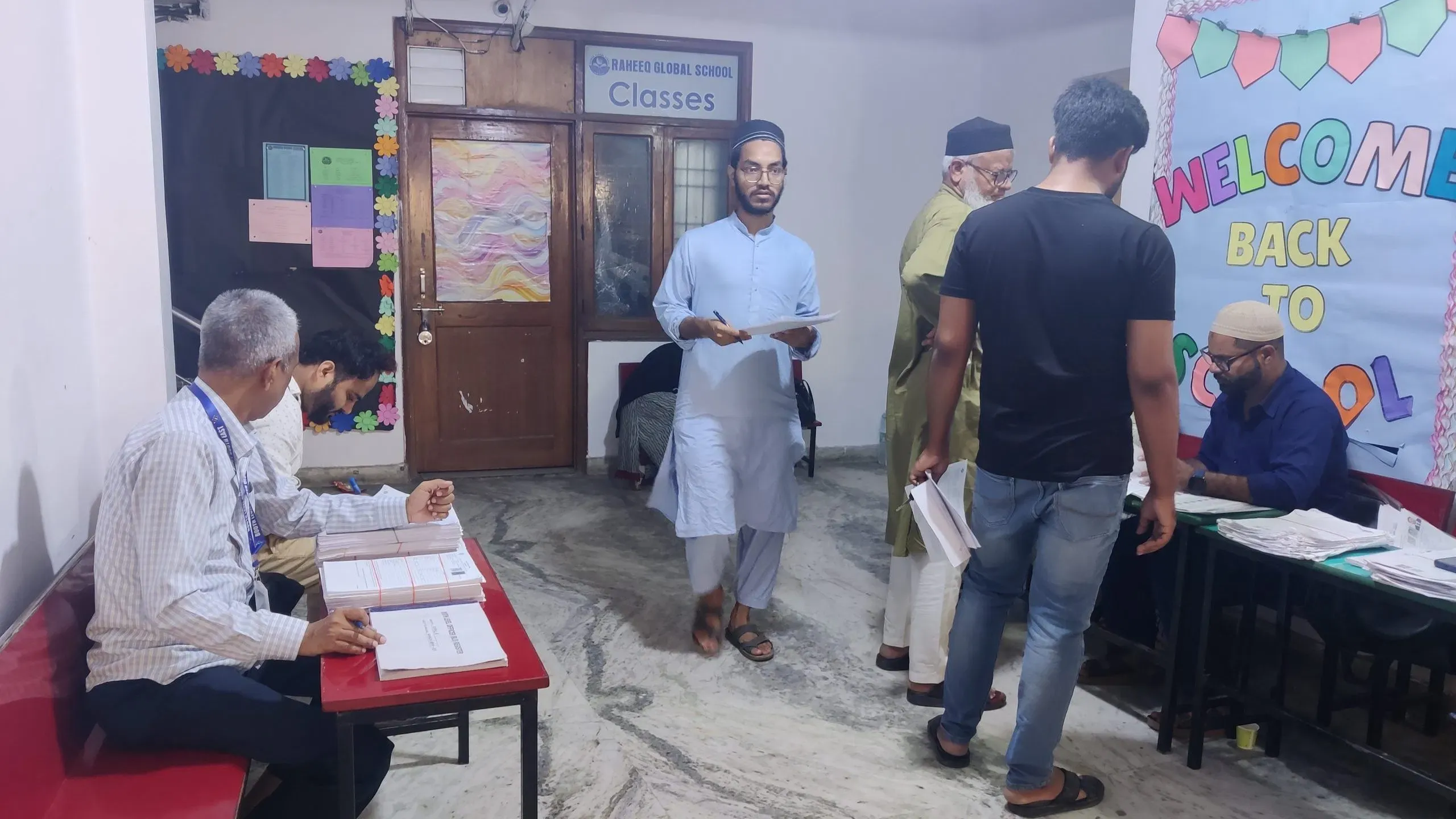
India's Special Intensive Revision (SIR) of electoral rolls faces challenges across diverse populations and urban settings. In Delhi's Shaheen Bagh, residents seek old documents amid fears of disenfranchisement and circulating rumors. In gated communities of cities like Gurgaon, door-to-door verification struggles with restricted access and low enumeration rates. Homeless voters in Delhi also face difficulties due to lack of fixed addresses and documents, raising concerns about potential removal from voter lists. Authorities are working to address these issues before the July 29 deadline.
First-hand measurement across 3 sources
We measured how 3 outlets covered this story. Coverage leans centre-left overall (Left 50%, Centre 47%, Right 3%). Overall sentiment is neutral (37/100). Lens Score 32/100 — low public interest.
Outlets analysed (first-hand measurement by TBN's Bias Engine):
- theprint— left-leaning framing, negative sentiment
- thehindu— left-leaning framing, neutral sentiment
- news18— balanced framing, neutral sentiment
AI Analysis
The article group presents multiple perspectives on the electoral roll revision process without favoring any political stance. It highlights concerns from marginalized communities, administrative challenges, and official responses, reflecting a balanced view of the complexities involved. The coverage includes voices from affected residents, election officials, and observers, avoiding partisan framing.
The overall tone across the articles is mixed, combining concern and uncertainty among voters with administrative efforts to manage the revision process. While challenges and fears of disenfranchisement are emphasized, the reporting also notes ongoing government actions to facilitate verification, resulting in a nuanced and factual sentiment.
How 3 sources covered this story
Each source's own headline, political lean, and sentiment — so you can see framing differences at a glance.