India Faces Economic and Agricultural Challenges Amid Uneven Monsoon and Heat Stress
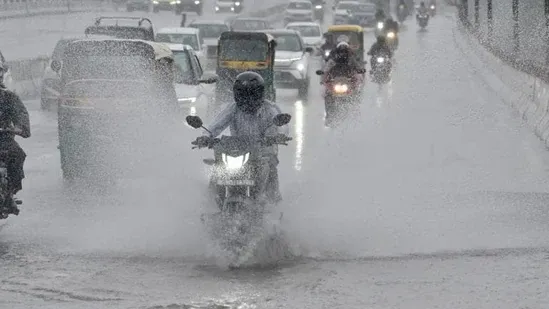
India is facing increasing economic and agricultural challenges due to extreme weather and climate change. The 2026 monsoon season, influenced by potential El Niño conditions, shows uneven rainfall with deficits in eastern and northeastern regions, raising concerns for agriculture and rural livelihoods. Heatwaves and delayed rains are impacting sectors like dairy, where heat stress reduces milk yields. These climate-related disruptions are becoming recurring factors affecting production, employment, and economic stability across the country.
First-hand measurement across 3 sources
We measured how 3 outlets covered this story. Coverage leans balanced overall (Left 20%, Centre 73%, Right 7%). Overall sentiment is neutral (52/100). Lens Score 23/100 — low public interest.
Outlets analysed (first-hand measurement by TBN's Bias Engine):
- mint— balanced framing, neutral sentiment
- hindustantimes— balanced framing, neutral sentiment
- hindustantimes— balanced framing, neutral sentiment
AI Analysis
The articles collectively present a largely neutral perspective focused on the economic and environmental impacts of climate change and monsoon variability in India. They include government meteorological forecasts and expert assessments without partisan framing. The coverage emphasizes factual reporting on climate risks and their implications for agriculture and the economy, reflecting a consensus on the seriousness of these challenges without political attribution.
The overall tone across the articles is cautiously concerned, highlighting the risks and adverse effects of extreme weather and deficient monsoon rains on India's economy and agriculture. While acknowledging some positive developments, such as partial rainfall recovery, the sentiment remains measured and focused on potential vulnerabilities and ongoing challenges rather than optimism or alarmism.