Trump Urges Netanyahu to Exercise Restraint Amid Lebanon Conflict, Supports US-Iran Deal
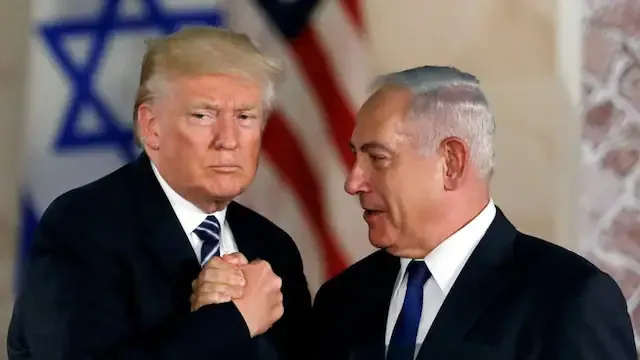
At the G7 summit, US President Donald Trump urged Israeli Prime Minister Benjamin Netanyahu to act more responsibly amid Israel's ongoing military campaign against Hezbollah in Lebanon. Trump criticized the prolonged conflict and civilian casualties, expressing dissatisfaction with Israel's handling of the situation, including a recent strike on Beirut. He emphasized US support for Israel, stating "without me, there would be no Israel," while affirming confidence in a new US-Iran deal aimed at curbing Iran's nuclear ambitions. Trump described the Lebanon conflict as a minor distraction compared to the broader Iran issue and suggested Syria might better manage Hezbollah.
First-hand measurement across 3 sources
We measured how 3 outlets covered this story. Coverage leans balanced overall (Left 25%, Centre 64%, Right 11%). Overall sentiment is neutral (44/100). Lens Score 33/100 — low public interest.
Outlets analysed (first-hand measurement by TBN's Bias Engine):
- thetribune— balanced framing, neutral sentiment
- english— balanced framing, neutral sentiment
- news18— balanced framing, neutral sentiment
AI Analysis
The article group presents perspectives primarily from US President Donald Trump, reflecting a US-centric viewpoint that balances support for Israel's security with criticism of its military actions in Lebanon. The coverage includes Trump's diplomatic engagement with Qatar and his stance on the Iran deal, highlighting tensions between US policy goals and Israeli military strategy. There is representation of both US administration's support for Israel and its call for Israeli restraint, without partisan framing.
The overall tone across the articles is mixed, combining supportive language regarding US diplomatic efforts and the Iran deal with critical remarks about Israel's conduct in Lebanon. Trump's statements convey frustration over civilian casualties and prolonged conflict, while also emphasizing US leadership and regional stability efforts. The sentiment reflects cautious optimism about diplomacy alongside concern over ongoing violence.