Myanmar President U Min Aung Hlaing Visits India for Talks on Bilateral Cooperation
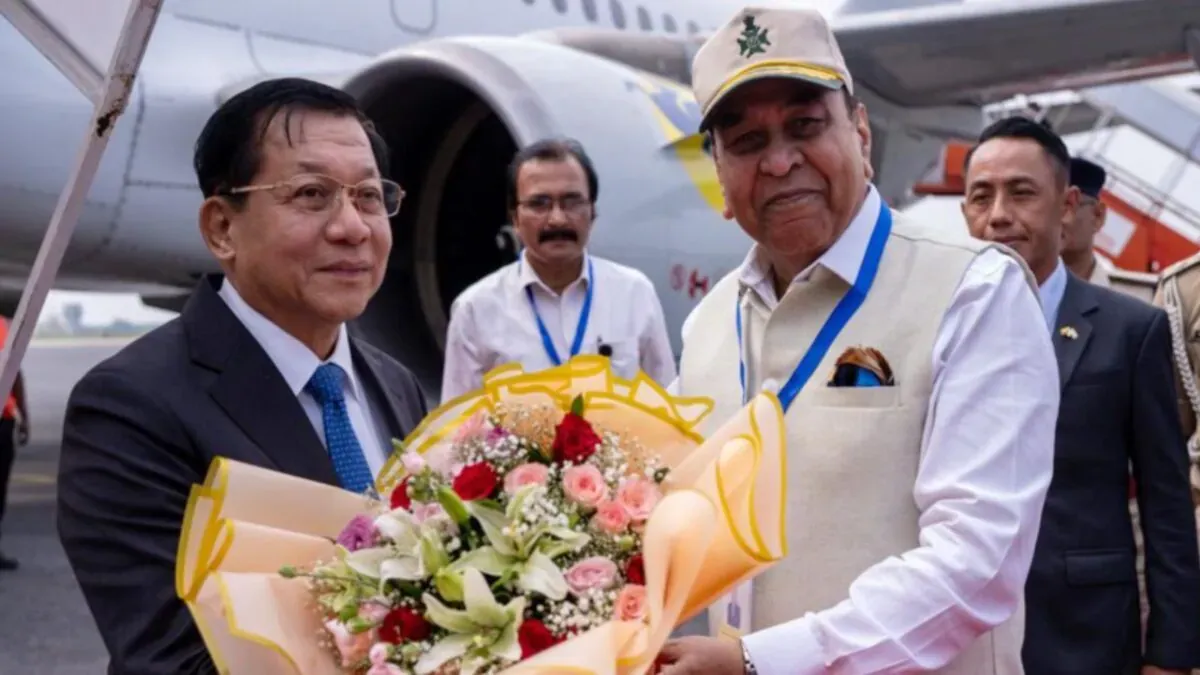
Myanmar President U Min Aung Hlaing began a five-day visit to India with a prayer at the Mahabodhi Temple in Bodh Gaya, highlighting shared Buddhist heritage. The visit, his first as president, includes talks with Prime Minister Narendra Modi focusing on trade, connectivity, border security, and defence cooperation. India welcomes the engagement amid regional dynamics and seeks to strengthen bilateral ties, while some activists criticize India for hosting the Myanmar leader due to his military background and ongoing conflicts in Myanmar.
First-hand measurement across 15 sources
We measured how 15 outlets covered this story. Coverage leans balanced overall (Left 11%, Centre 83%, Right 6%). Overall sentiment is neutral (64/100). Lens Score 25/100 — low public interest.
Outlets analysed (first-hand measurement by TBN's Bias Engine):
- thehitavadacom— balanced framing, neutral sentiment
- timesnow— balanced framing, neutral sentiment
- theprint— balanced framing, neutral sentiment
- thetribune— balanced framing, positive sentiment
- firstpost— balanced framing, positive sentiment
- english— balanced framing, positive sentiment
- english— balanced framing, positive sentiment
- thetribune— balanced framing, positive sentiment
AI Analysis
The article group presents multiple perspectives, including official Indian government statements emphasizing diplomatic engagement and strategic partnership with Myanmar. It also includes critical views from activist groups condemning India's hosting of Myanmar's military leader. Coverage reflects India's pragmatic approach to regional security and economic interests, while acknowledging controversy surrounding Myanmar's political situation and leadership.
The overall tone is mixed, combining positive diplomatic and cultural engagement narratives with critical voices highlighting human rights concerns and Myanmar's military rule. Official sources express optimism about strengthening ties and regional stability, whereas activist statements convey condemnation and call for reconsideration of India's approach. This balance results in a nuanced sentiment reflecting both cooperation and controversy.