Election Commission Begins Special Intensive Revision of Voter Rolls Amid Support and Opposition
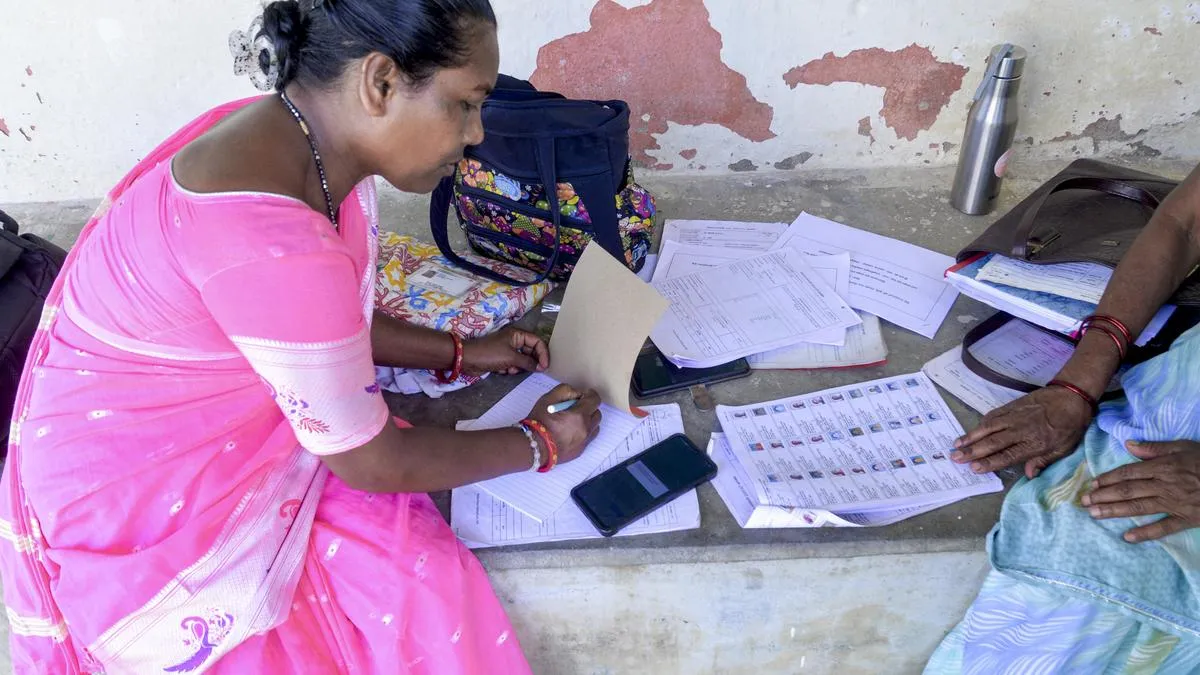
The Election Commission of India (ECI) has initiated the Special Intensive Revision (SIR) of electoral rolls across multiple states, including Odisha, Manipur, Sikkim, and Punjab, aiming to update and verify voter lists through door-to-door surveys by over 1.1 million booth-level officers. The exercise, running until late June or July depending on the state, seeks to include eligible voters and remove ineligible entries. While officials and the Chief Election Commissioner emphasize the SIR's role in ensuring accurate and fair elections, opposition parties and civil society groups have raised concerns about potential disenfranchisement of vulnerable groups, including migrant workers and minorities. The Supreme Court has upheld the constitutionality of the SIR, affirming its importance for free and fair elections, though protests and demands for greater transparency and safeguards continue in some regions.
First-hand measurement across 15 sources
We measured how 15 outlets covered this story. Coverage leans balanced overall (Left 15%, Centre 81%, Right 4%). Overall sentiment is neutral (57/100). Lens Score 26/100 — low public interest.
Outlets analysed (first-hand measurement by TBN's Bias Engine):
- thetribune— balanced framing, neutral sentiment
- republicworld— balanced framing, positive sentiment
- hindustantimes— balanced framing, neutral sentiment
- thetribune— balanced framing, neutral sentiment
- thetribune— balanced framing, positive sentiment
- theprint— balanced framing, neutral sentiment
- thehindu— balanced framing, neutral sentiment
- economictimes— balanced framing, neutral sentiment
AI Analysis
The article group presents a range of political perspectives, including official statements from the Election Commission and Chief Election Commissioner defending the SIR as a constitutional and necessary exercise for electoral integrity. Opposition parties and civil society groups express concerns about disenfranchisement and procedural fairness, particularly for marginalized communities and migrant workers. The Supreme Court's endorsement is highlighted, while protests and criticisms from activists and regional parties are also reported, reflecting a balanced representation of support and dissent.
The overall sentiment across the articles is mixed. Official sources convey a positive tone emphasizing accuracy, fairness, and legal validation of the SIR process. Conversely, opposition voices and civil society groups express negative sentiments regarding potential voter exclusion and procedural issues. The coverage includes both reassurance about safeguards and transparency, as well as concerns and protests, resulting in a nuanced tone that acknowledges the complexity of the electoral revision exercise.