Jairam Ramesh Criticizes Great Nicobar Project Citing Environmental Concerns
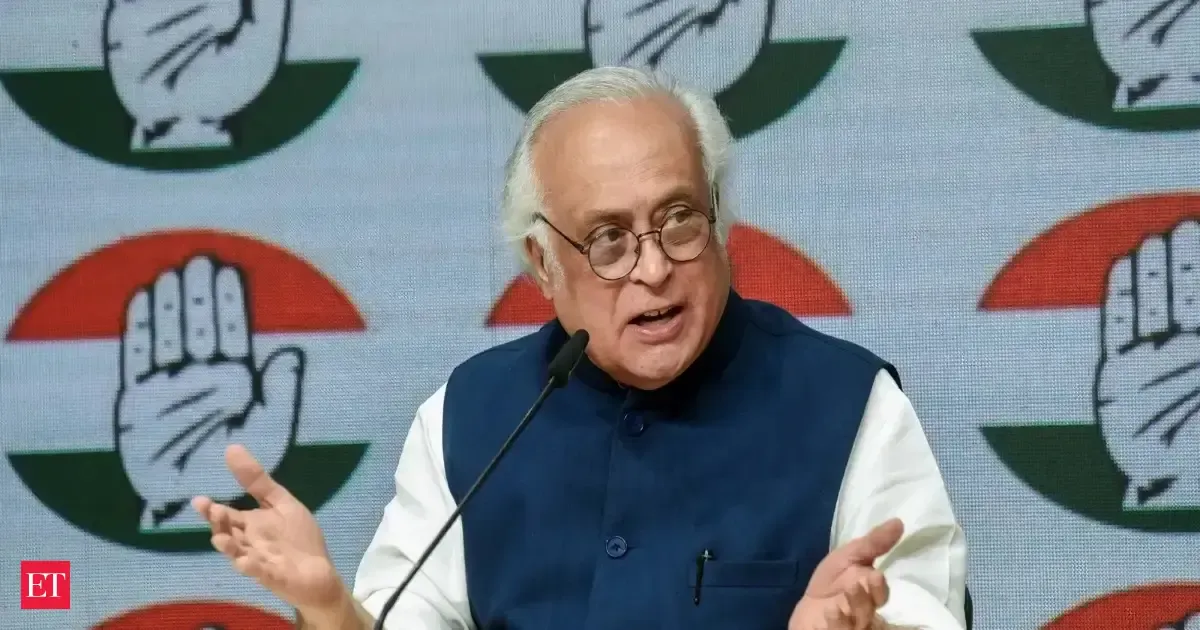
Congress leader Jairam Ramesh has criticized Prime Minister Narendra Modi's Great Nicobar Island Project, calling it an "environmental disaster" and stating the nation's "ecological conscience is on trial." He highlighted his extensive public engagement on the project's impact on the island's biodiversity and noted five petitions filed by citizens and civil society groups pending in the Calcutta High Court. These petitions allege violations of environmental laws, including the Eco Sensitive Zone Notifications, Forest Rights Act, Coastal Zone Regulation, and Environment Protection Act. Ramesh pledged to continue raising concerns as the project progresses.
First-hand measurement across 3 sources
We measured how 3 outlets covered this story. Coverage leans left-leaning overall (Left 73%, Centre 22%, Right 5%). Overall sentiment is negative (28/100). Lens Score 41/100 — moderate-to-low public interest.
Outlets analysed (first-hand measurement by TBN's Bias Engine):
- thehindu— left-leaning framing, negative sentiment
- indiatoday— left-leaning framing, negative sentiment
- economictimes— left-leaning framing, negative sentiment
AI Analysis
The article group primarily presents the viewpoint of Congress leader Jairam Ramesh, who strongly opposes the Great Nicobar Island Project on environmental grounds. The coverage focuses on his criticisms and legal challenges without including responses from the government or project proponents. This framing reflects an opposition perspective emphasizing environmental and legal issues related to the project.
The overall tone across the articles is critical and concerned, reflecting Jairam Ramesh's negative assessment of the Great Nicobar Project's environmental impact. The sentiment is focused on highlighting potential ecological harm and legal disputes, with no positive or neutral perspectives presented, resulting in a predominantly negative sentiment.
How 3 sources covered this story
Each source's own headline, political lean, and sentiment — so you can see framing differences at a glance.