Simla Agreement at 54: Foundations and Divergent Interpretations Between India and Pakistan
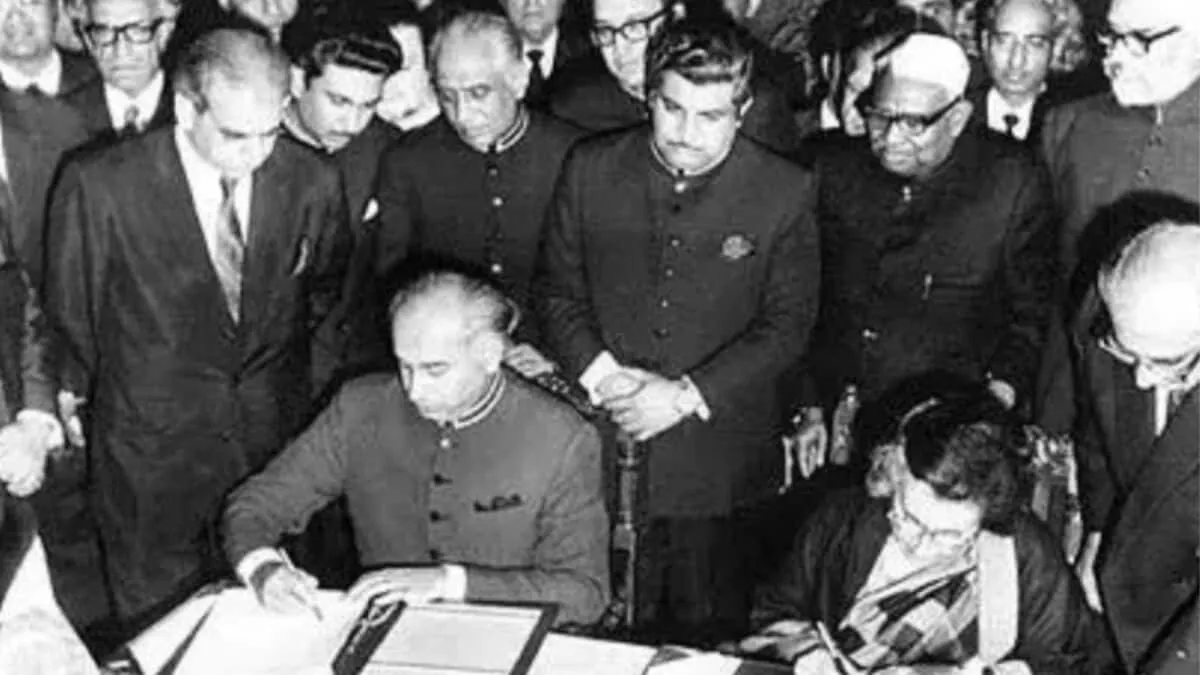
The Simla Agreement, signed on July 2, 1972, by India and Pakistan after the 1971 war, established the Line of Control in Jammu and Kashmir and aimed to resolve disputes through bilateral dialogue while respecting sovereignty. India views cross-border terrorism and Pakistan's attempts to internationalize Kashmir as violations undermining the pact. Pakistan emphasizes UN resolutions for Kashmir, leading to differing interpretations. Despite challenges, the agreement remains a key framework for diplomatic engagement between the two countries.
First-hand measurement across 3 sources
We measured how 3 outlets covered this story. Coverage leans balanced overall (Left 10%, Centre 62%, Right 28%). Overall sentiment is neutral (38/100). Lens Score 42/100 — moderate-to-low public interest.
Outlets analysed (first-hand measurement by TBN's Bias Engine):
- indianexpress— balanced framing, neutral sentiment
- news18— balanced framing, neutral sentiment
- ndtv— right-leaning framing, neutral sentiment
AI Analysis
The articles present perspectives from both India and Pakistan, highlighting India's emphasis on bilateral dispute resolution and Pakistan's reference to UN resolutions on Kashmir. Coverage reflects official positions without endorsing either side, illustrating the ongoing diplomatic tensions and differing interpretations of the agreement.
The tone across the articles is largely neutral and analytical, focusing on historical facts and current diplomatic challenges. While acknowledging India's concerns about violations, the coverage avoids emotive language, maintaining a balanced view of the agreement's significance and the complexities in India-Pakistan relations.
How 3 sources covered this story
Each source's own headline, political lean, and sentiment — so you can see framing differences at a glance.