Diljit Dosanjh's Satluj Removed from ZEE5 Amid Certification Review and Censorship Debate
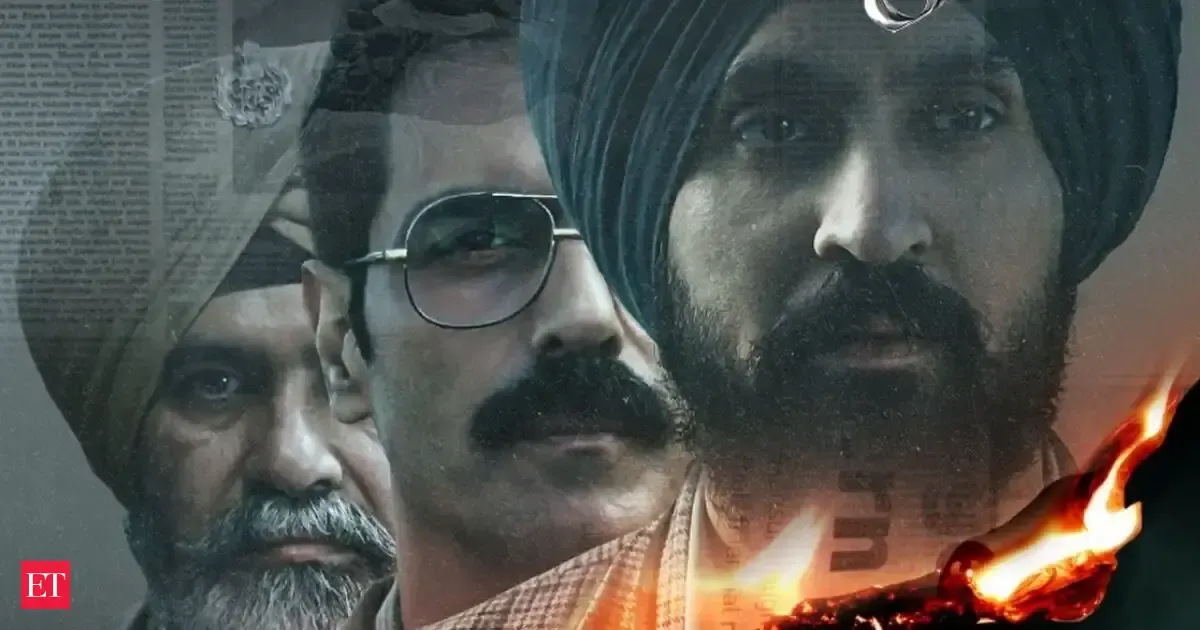
Satluj, a film starring Diljit Dosanjh as human rights activist Jaswant Singh Khalra, was released on ZEE5 on July 3 after a prolonged certification battle with the Central Board of Film Certification (CBFC). The film was removed from the platform within 48 hours, with the Ministry of Information and Broadcasting citing certification and IT Rules violations. The government formed a high-level inter-departmental committee to review the film's content amid concerns over national security. The removal sparked widespread debate on censorship and freedom of expression, with filmmakers, actors, and Sikh organizations condemning the ban and organizing public screenings and seminars to preserve Khalra's story. The film has also driven a surge in ZEE5 downloads overseas and attracted significant public and critical support despite its limited availability in India.
First-hand measurement across 15 sources
We measured how 15 outlets covered this story. Coverage leans left-leaning overall (Left 58%, Centre 37%, Right 5%). Overall sentiment is neutral (43/100). Lens Score 38/100 — moderate-to-low public interest.
Outlets analysed (first-hand measurement by TBN's Bias Engine):
- indianexpress— left-leaning framing, negative sentiment
- indiatoday— left-leaning framing, neutral sentiment
- httpswwwoutlookindiacom— left-leaning framing, neutral sentiment
- ndtv— left-leaning framing, neutral sentiment
- news18— left-leaning framing, neutral sentiment
- opindia— left-leaning framing, neutral sentiment
- indiatvnews— balanced framing, neutral sentiment
- hindustantimes— left-leaning framing, neutral sentiment
AI Analysis
The article group presents multiple perspectives including government officials explaining the removal due to certification and security concerns, filmmakers and actors criticizing censorship and advocating for freedom of expression, and Sikh community leaders emphasizing the film's historical importance. Coverage includes voices from the ruling government, opposition figures, cultural organizations, and industry insiders, reflecting a broad political spectrum without privileging any single viewpoint.
The overall sentiment is mixed, combining critical concern over censorship and suppression of historical narratives with praise for the film's artistic and social significance. While government statements are neutral and procedural, many sources express disappointment and frustration at the removal, highlighting public support and emotional responses. The tone balances factual reporting with empathetic reactions from stakeholders, resulting in a nuanced portrayal of the controversy.