India Advocates Human-Centric and Inclusive AI Governance at UN Global Dialogue
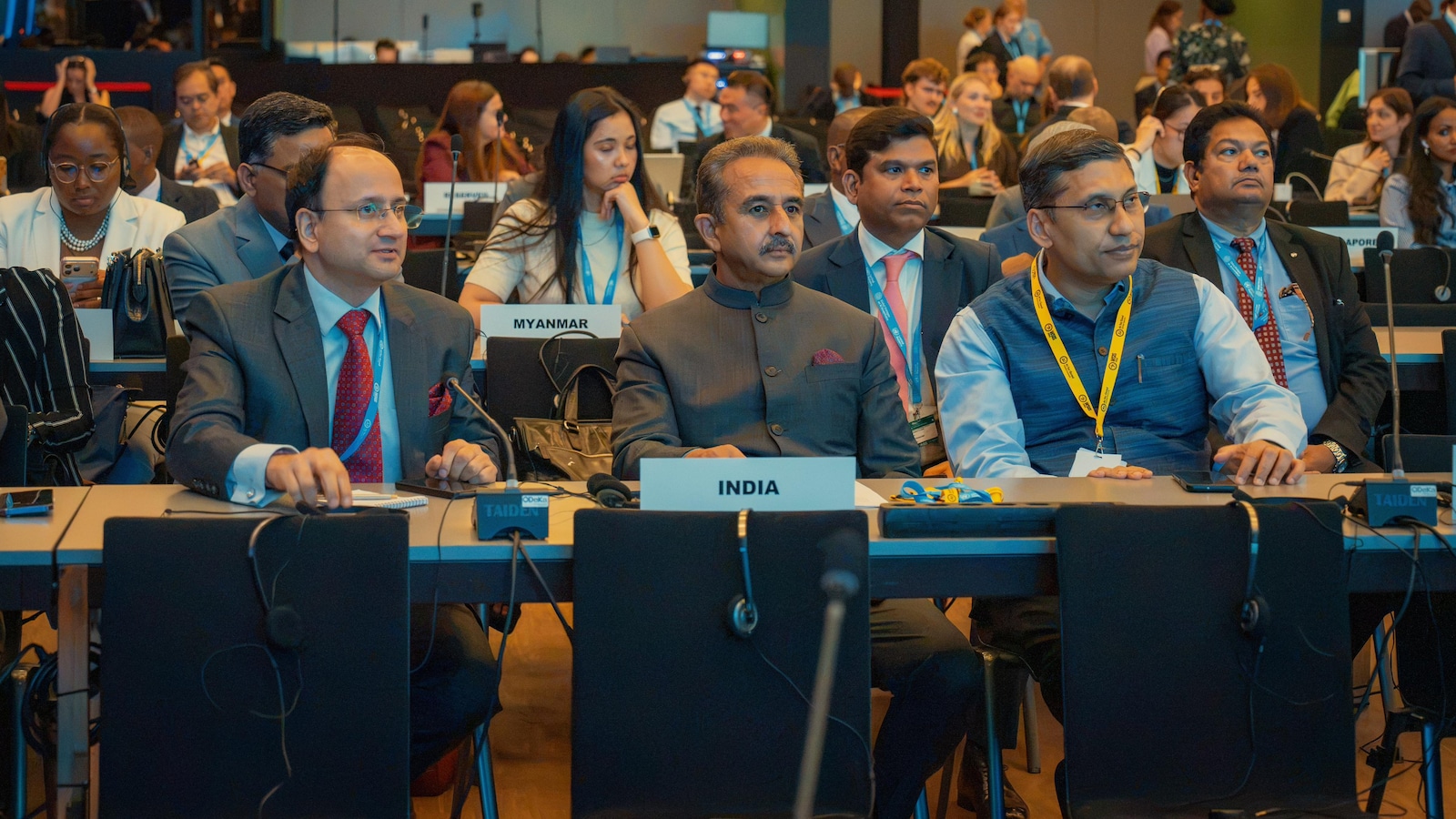
At the inaugural United Nations Global Dialogue on AI Governance in Geneva, India's Minister of State for External Affairs Kirti Vardhan Singh emphasized the need for a human-centric, inclusive, and trustworthy global framework for artificial intelligence. He highlighted core principles such as preserving human oversight, upholding human rights, and preventing AI misuse. Singh also stressed bridging capacity gaps to enable meaningful participation of developing countries and called for multilateral cooperation through the UN to shape ethical and secure AI governance.
First-hand measurement across 2 sources
We measured how 2 outlets covered this story. Coverage leans balanced overall (Left 10%, Centre 85%, Right 5%). Overall sentiment is positive (75/100). Lens Score 32/100 — low public interest.
Outlets analysed (first-hand measurement by TBN's Bias Engine):
- thetribune— balanced framing, positive sentiment
- ndtv— balanced framing, positive sentiment
AI Analysis
The articles present India's official stance on AI governance, focusing on principles of human oversight and inclusivity without partisan framing. Both sources highlight government perspectives emphasizing multilateral cooperation and support for developing nations. The coverage is centered on diplomatic and policy aspects, reflecting a consensus-driven approach without evident political polarization.
The tone across the articles is constructive and forward-looking, emphasizing collaboration and ethical considerations in AI governance. The coverage is positive regarding India's role and the UN initiative, with no critical or negative sentiment. The language underscores opportunity and responsibility, reflecting an optimistic outlook on global AI governance efforts.
How 2 sources covered this story
Each source's own headline, political lean, and sentiment — so you can see framing differences at a glance.