Iran-Linked Cyber Campaign Allegedly Used Mobile Networks to Track US Troops
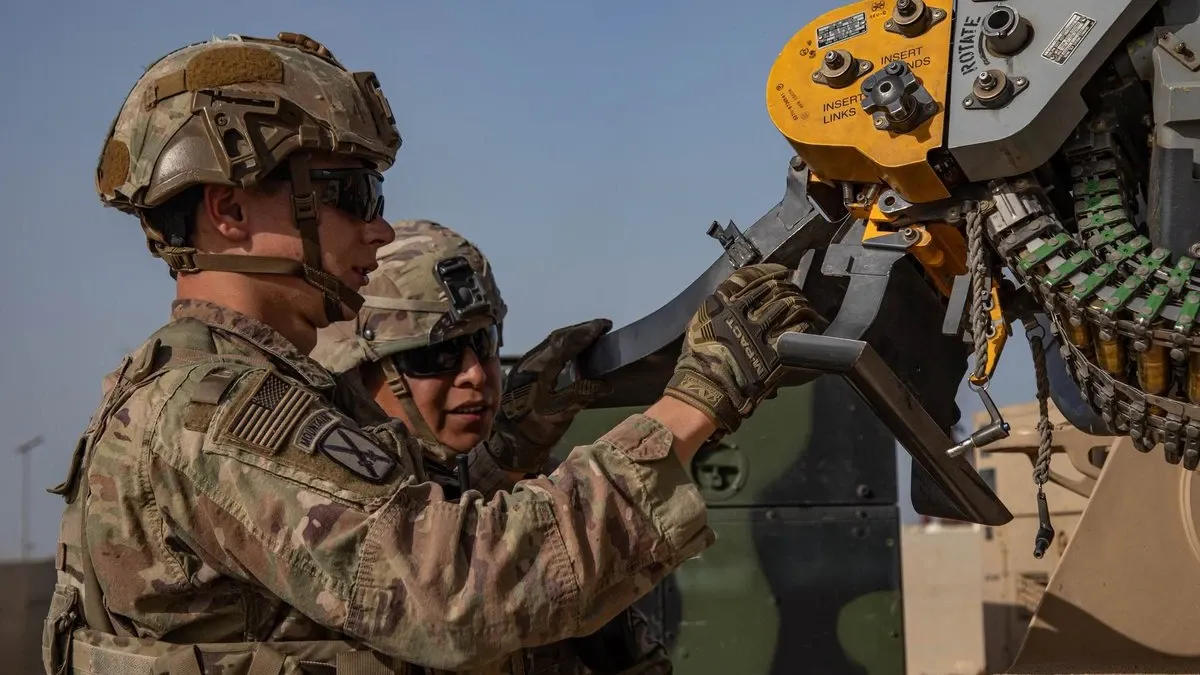
During the Iran conflict beginning in late February, Iran-linked actors allegedly exploited vulnerabilities in Middle Eastern mobile networks and commercial smartphone data to track US military personnel and contractors. Telecommunications data from the Mobile Surveillance Monitor project showed a surge in suspicious SS7 protocol requests, indicating a coordinated campaign targeting specific devices. Gulf officials suspect Iran or allied groups used roaming agreements and advertising databases to locate US forces, raising concerns among US lawmakers about mobile network security during active conflicts.
First-hand measurement across 7 sources
We measured how 7 outlets covered this story. Coverage leans balanced overall (Left 10%, Centre 82%, Right 8%). Overall sentiment is neutral (36/100). Lens Score 31/100 — low public interest.
Outlets analysed (first-hand measurement by TBN's Bias Engine):
- httpswwwoutlookindiacom— balanced framing, neutral sentiment
- ndtv— balanced framing, neutral sentiment
- mint— balanced framing, neutral sentiment
- firstpost— balanced framing, neutral sentiment
- hindustantimes— balanced framing, neutral sentiment
- news18— balanced framing, neutral sentiment
- indiatoday— balanced framing, neutral sentiment
AI Analysis
The article group presents perspectives primarily from Western and Gulf sources, focusing on US military security concerns and Iranian cyber activities. The coverage includes official statements, cybersecurity expert analyses, and Gulf officials' suspicions, reflecting a security-focused narrative without overt political judgment. Iranian viewpoints or denials are not prominently featured, indicating a framing centered on alleged Iranian actions and US responses.
The overall tone across the articles is cautious and concerned, emphasizing vulnerabilities in telecom infrastructure and potential risks to US personnel. The sentiment is largely neutral to negative, highlighting security threats and surveillance risks without sensationalism. The coverage balances technical explanations with geopolitical implications, maintaining a professional and informative tone.