3 hours agoPolitics
23LENS
3 SourcesVatican City
 thebalanced.news
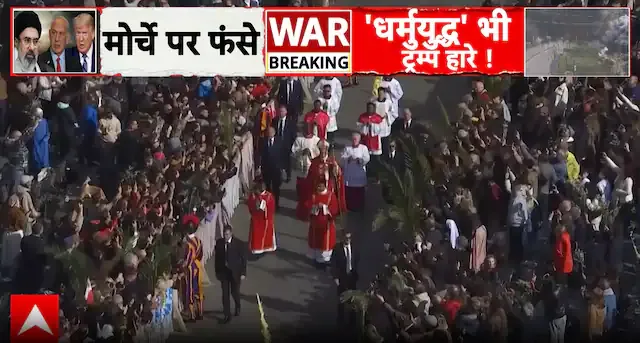
Religious Leaders Challenge Use of Faith Narratives in Middle East Conflict
The ongoing Middle East conflict has increasingly been framed through religious narratives by political leaders seeking to justify their actions. However, influential religious figures worldwide are challenging this approach, emphasizing that core faith teachings promote peace, compassion, and justice rather than violence. While some groups link current events to religious prophecy, scholars and faith leaders warn against misusing spirituality to legitimize war, highlighting the growing moral debate and calls for restraint amid rising civilian suffering and humanitarian concerns.
Political Bias
37%61%2%
Sentiment
38%
21 stories available
View AI Analysis
Bias Analysis: The articles present multiple perspectives, including political leaders who invoke religious narratives to justify the conflict and religious authorities who oppose this framing. Coverage highlights the tension between political motivations and spiritual teachings without endorsing either side. The sources focus on the moral and ideological debate, reflecting a balanced view of the intersection between faith and politics in the conflict.
Sentiment: The overall tone is serious and reflective, emphasizing concern over the humanitarian impact and moral implications of using religion to justify war. While political rhetoric is noted, the sentiment leans toward caution and calls for peace from religious voices. The coverage is mixed, acknowledging both the strategic use of faith narratives and the growing resistance from spiritual leaders advocating restraint.
Lens Score: 23/100 — Story is well-covered by media outlets. Public interest: 0/100. Coverage gap: 90%.
Related Coverage
Select a news story to see related coverage from other media outlets.