US-Iran War Ends with Ceasefire Deal Amid Significant Human and Economic Costs
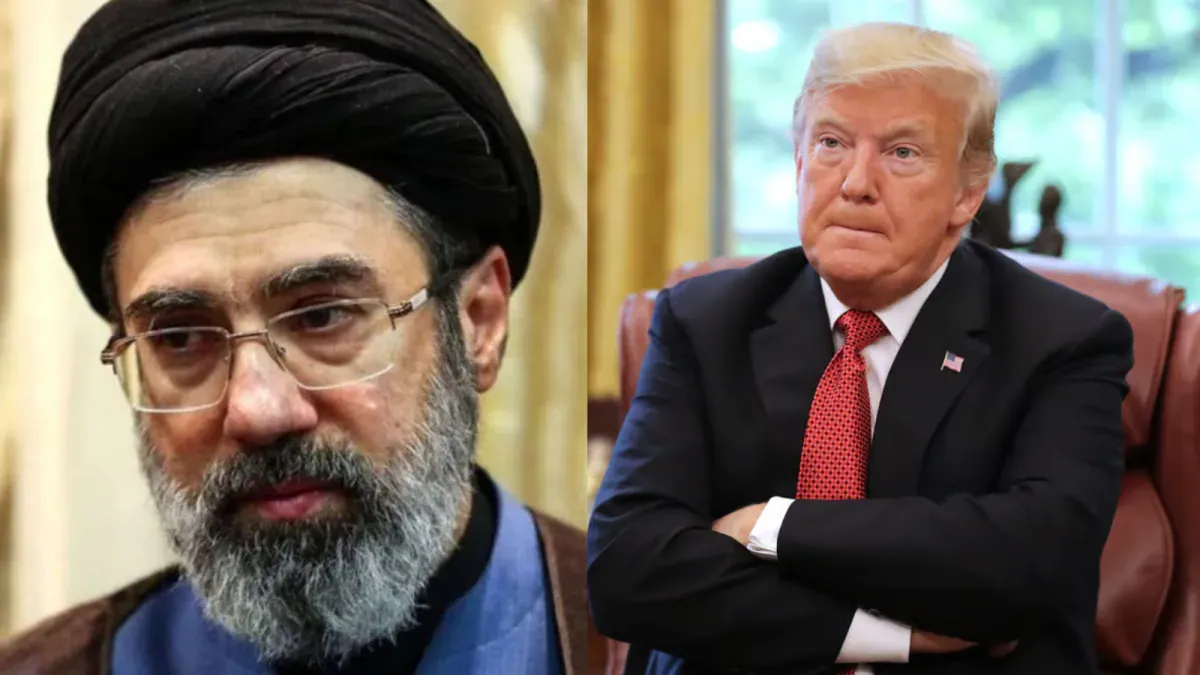
The US-Iran war, lasting three and a half months, ended with a 14-point Memorandum of Understanding extending the ceasefire and reopening the Strait of Hormuz. The conflict caused significant human losses, including 13 US service members and over 3,300 Iranians, and widespread casualties in Lebanon, Israel, and Gulf countries. Economically, it disrupted global trade, raised oil prices, and increased inflation, costing US taxpayers approximately $132 billion, excluding $29 billion in military spending. The agreement includes $300 billion for Iran's reconstruction and development, with ongoing negotiations planned.
First-hand measurement across 2 sources
We measured how 2 outlets covered this story. Coverage leans balanced overall (Left 17%, Centre 78%, Right 5%). Overall sentiment is negative (32/100). Lens Score 33/100 — low public interest.
Outlets analysed (first-hand measurement by TBN's Bias Engine):
- news18— balanced framing, neutral sentiment
- wion— balanced framing, negative sentiment
AI Analysis
The articles present a primarily factual account of the US-Iran war's conclusion and its impacts, reflecting official statements and economic analyses. They include perspectives from both US and Iranian sources, noting casualties and financial costs without attributing blame. The coverage emphasizes the agreement's terms and economic consequences, maintaining neutrality by reporting figures and commitments from both sides.
The overall tone is neutral and informative, focusing on the war's human and economic toll and the ceasefire agreement. While the coverage acknowledges the severe costs and disruptions caused by the conflict, it avoids emotive language or judgment, instead highlighting facts and official data. The sentiment balances the gravity of losses with the potential for reconstruction and ongoing negotiations.