India and Japan Condemn Pakistan-Based Terrorism, Call for Global Action
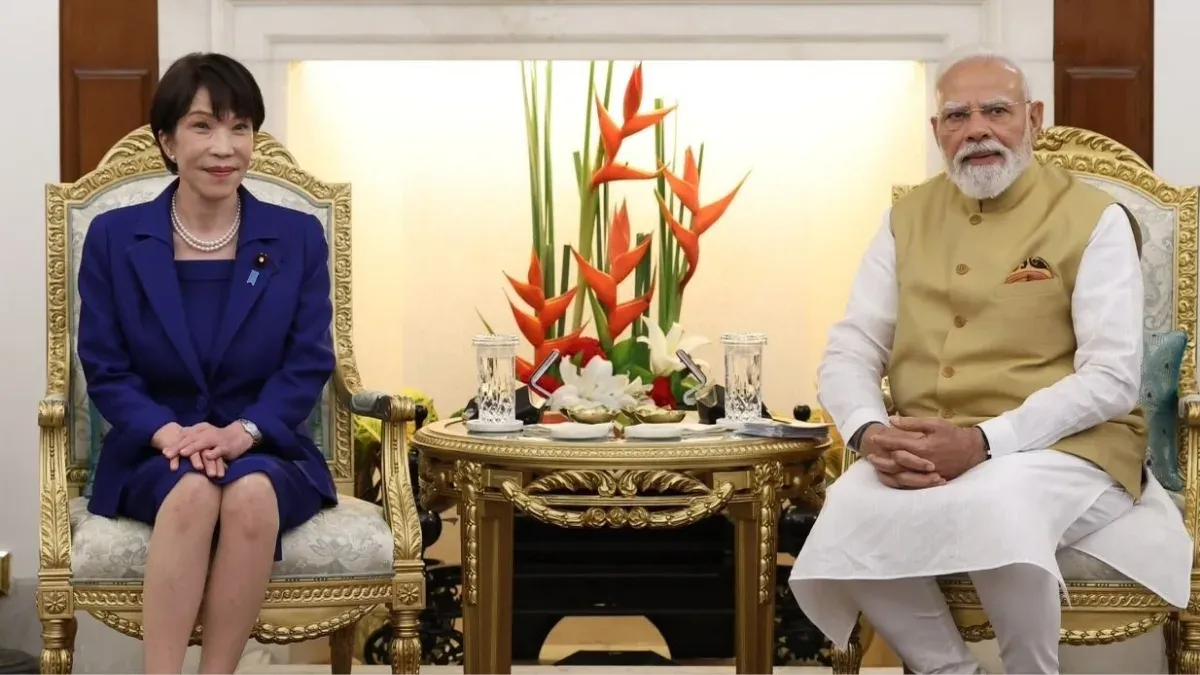
At the 16th India-Japan Annual Summit, Prime Ministers Narendra Modi and Sanae Takaichi jointly condemned terrorism and violent extremism, specifically naming Pakistan-based groups Lashkar-e-Tayyiba (LeT), Jaish-e-Mohammad (JeM), Al Qaeda, and ISIS. They demanded global, concerted actions to dismantle terrorist safe havens, financing networks, and cross-border movements. The leaders condemned recent attacks in Pahalgam and Delhi, calling for swift justice. They also expressed concern over tensions in the East and South China seas, opposing unilateral actions threatening regional stability.
First-hand measurement across 4 sources
We measured how 4 outlets covered this story. Coverage leans centre-right overall (Left 10%, Centre 42%, Right 48%). Overall sentiment is neutral (58/100). Lens Score 46/100 — moderate-to-low public interest.
Outlets analysed (first-hand measurement by TBN's Bias Engine):
- thetribune— balanced framing, neutral sentiment
- firstpost— right-leaning framing, neutral sentiment
- thestatesman— right-leaning framing, neutral sentiment
- timesnow— right-leaning framing, neutral sentiment
AI Analysis
The articles predominantly reflect official government perspectives from India and Japan, emphasizing a strong stance against terrorism linked to Pakistan. The coverage focuses on diplomatic and security concerns, highlighting calls for international cooperation. There is limited representation of alternative viewpoints or responses from Pakistan or other stakeholders, framing the narrative within the bilateral summit context.
The overall tone across the articles is serious and resolute, reflecting condemnation of terrorism and concern over regional security issues. The sentiment is largely negative regarding terrorism and related violence, while expressing cautious concern about geopolitical tensions in the East and South China seas. The coverage maintains a formal and diplomatic tone without emotive language.