Debate Over RSS Transparency and Legal Status Intensifies Amid Political Challenges
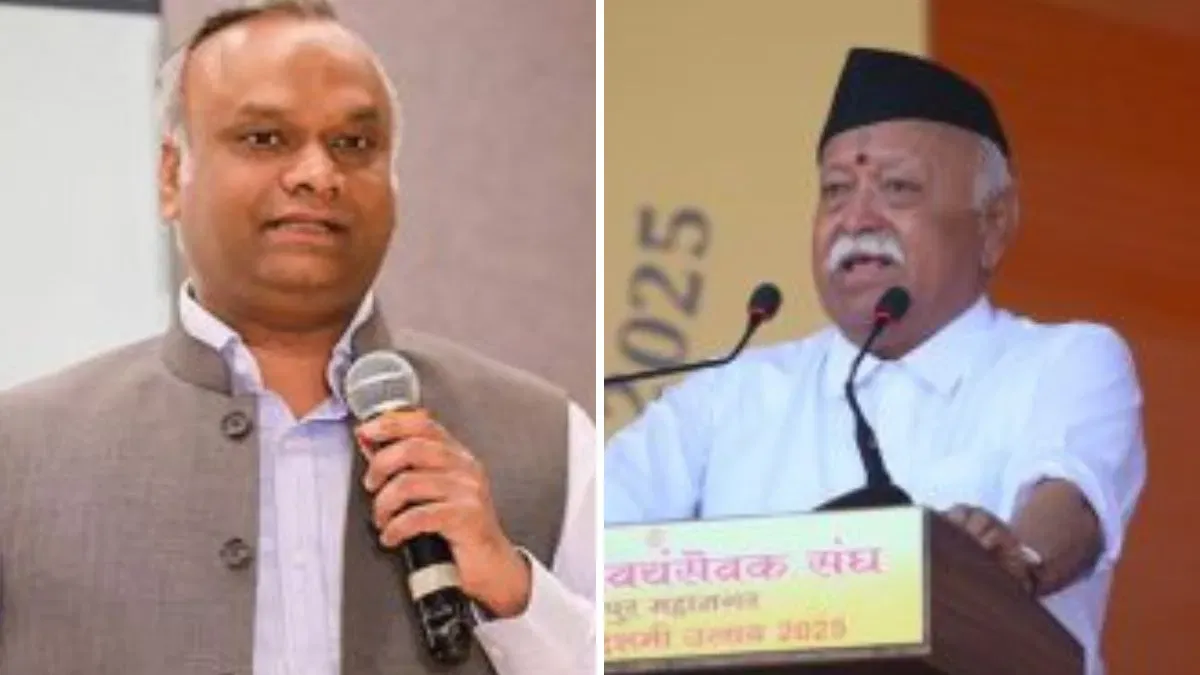
Recent discussions focus on the Rashtriya Swayamsevak Sangh's (RSS) organizational transparency and legal status. While Priyank Kharge's political stance challenges the RSS's influence, questions arise about the need for ideological groups to register formally. Historical analysis reveals that the RSS's written constitution was established under government pressure post-1948 ban, highlighting longstanding opacity in its structure and operations. Supporters argue the RSS operates legally as a body of individuals, whereas critics emphasize its lack of transparency and state oversight.
First-hand measurement across 2 sources
We measured how 2 outlets covered this story. Coverage leans left-leaning overall (Left 70%, Centre 25%, Right 5%). Overall sentiment is negative (30/100). Lens Score 22/100 — low public interest.
Outlets analysed (first-hand measurement by TBN's Bias Engine):
- indianexpress— left-leaning framing, negative sentiment
- theprint— left-leaning framing, neutral sentiment
AI Analysis
The articles represent contrasting perspectives: one highlights political strategies within the Congress party targeting the RSS, emphasizing minority and Dalit support, while the other critiques the RSS's historical opacity and government interactions. The coverage includes viewpoints from political actors and historical analysis, reflecting both critical and defensive stances toward the RSS without endorsing any side.
The overall tone is analytical and critical, focusing on concerns about the RSS's transparency and legal framework. While political maneuvering is noted, the sentiment remains measured, avoiding overtly negative or positive language. The discussion balances scrutiny of the RSS with explanations of its operational context, resulting in a nuanced, mixed sentiment.
How 2 sources covered this story
Each source's own headline, political lean, and sentiment — so you can see framing differences at a glance.