NIA Names Hafiz Saeed in Supplementary Chargesheet for 2025 Pahalgam Terror Attack
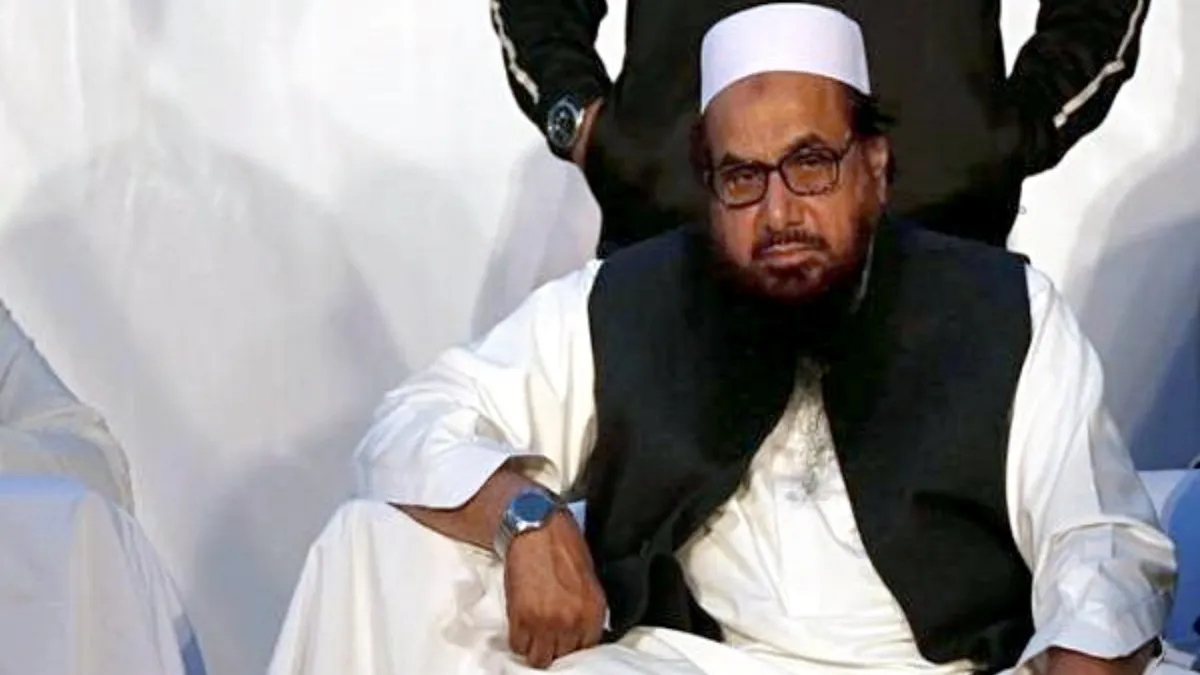
The National Investigation Agency (NIA) has filed a supplementary chargesheet naming Pakistan-based Lashkar-e-Taiba (LeT) chief Hafiz Saeed as an accused in the April 22, 2025, Pahalgam terror attack that killed 26 people, including 25 tourists and one local. Saeed is charged in his individual capacity and as head of the banned LeT and its proxy, The Resistance Front (TRF), under the Bharatiya Nyaya Sanhita (BNS), 2023, and the Unlawful Activities (Prevention) Act, 1967. The charges include waging war against India and conspiring from across the border. The supplementary chargesheet builds on the original 1,597-page filing, detailing Pakistan's alleged conspiracy, Saeed's role, and evidence gathered through scientific investigation and on-ground examination. Earlier charges named Pakistani handler Sajid Jatt, three terrorists killed during security operations, and two arrested suspects. The NIA continues to probe the case to uncover the full conspiracy behind the attack.
First-hand measurement across 15 sources
We measured how 15 outlets covered this story. Coverage leans balanced overall (Left 10%, Centre 54%, Right 36%). Overall sentiment is negative (33/100). Lens Score 44/100 — moderate-to-low public interest.
Outlets analysed (first-hand measurement by TBN's Bias Engine):
- thetribune— balanced framing, neutral sentiment
- economictimes— balanced framing, negative sentiment
- thehindu— right-leaning framing, neutral sentiment
- opindia— right-leaning framing, neutral sentiment
- mint— right-leaning framing, negative sentiment
- freepressjournal— right-leaning framing, neutral sentiment
- scrollin— balanced framing, negative sentiment
- thequint— balanced framing, neutral sentiment
AI Analysis
The article group predominantly reflects the Indian government's and investigative agencies' perspective, focusing on the NIA's formal charges against Hafiz Saeed and Pakistan's alleged involvement. The coverage emphasizes legal and security aspects without presenting counterclaims or responses from Pakistan or Hafiz Saeed. This framing aligns with official Indian narratives on cross-border terrorism and national security concerns.
The overall tone across the articles is serious and factual, reflecting the gravity of the terror attack and the legal proceedings. The sentiment is largely negative due to the nature of the event—terrorism and loss of life—but remains neutral in language, focusing on investigative developments and charges without emotive or sensational language. The coverage maintains a professional tone appropriate for reporting on terrorism and judicial actions.