9 hours agoPolitics
29LENS
27 SourcesTehran, Iran
 thebalanced.news
Trump Says Iran Allowed 10 Oil Tankers Through Strait of Hormuz as Goodwill Gesture
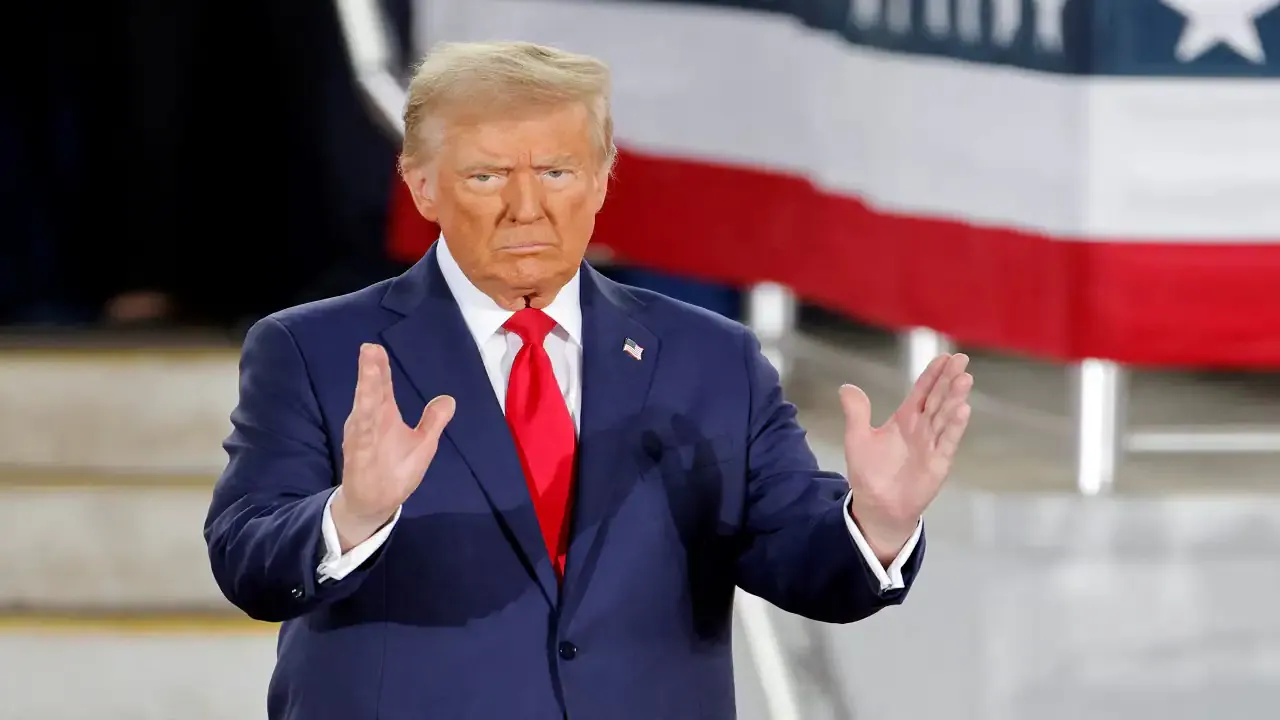
US President Donald Trump revealed that Iran allowed 10 oil tankers, including some flying Pakistani flags, to transit the Strait of Hormuz as a goodwill gesture amid ongoing negotiations to end the conflict. Trump described the passage as a 'present' signaling Iran's seriousness in talks, with eight tankers passing initially followed by two more. While Tehran has rejected a US ceasefire proposal, the tanker movement reflects behind-the-scenes diplomatic engagement amid heightened regional tensions.
Political Bias
10%83%7%
Sentiment
48%
21 stories available
View AI Analysis
Bias Analysis: The article group primarily reflects the US administration's perspective, focusing on President Trump's statements about Iran's gesture and ongoing negotiations. While some sources mention Iran's rejection of the US ceasefire proposal, the coverage centers on US diplomatic efforts and interpretations, with limited direct Iranian viewpoints. Regional actors like Pakistan are noted mainly in logistical roles, and the framing emphasizes US diplomatic and strategic considerations.
Sentiment: The overall tone across the articles is cautiously optimistic, highlighting a potential diplomatic opening through Iran's tanker passage. However, the coverage also acknowledges ongoing tensions and unresolved issues, such as Iran's rejection of ceasefire terms and the strategic sensitivity of the Strait of Hormuz. The sentiment balances recognition of a positive gesture with awareness of persistent conflict risks.
Lens Score: 29/100 — Story is well-covered by media outlets. Public interest: 0/100. Coverage gap: 100%.
Related Coverage
Select a news story to see related coverage from other media outlets.