Internal Turmoil in West Bengal's Trinamool Congress Sparks Factional Split Speculation
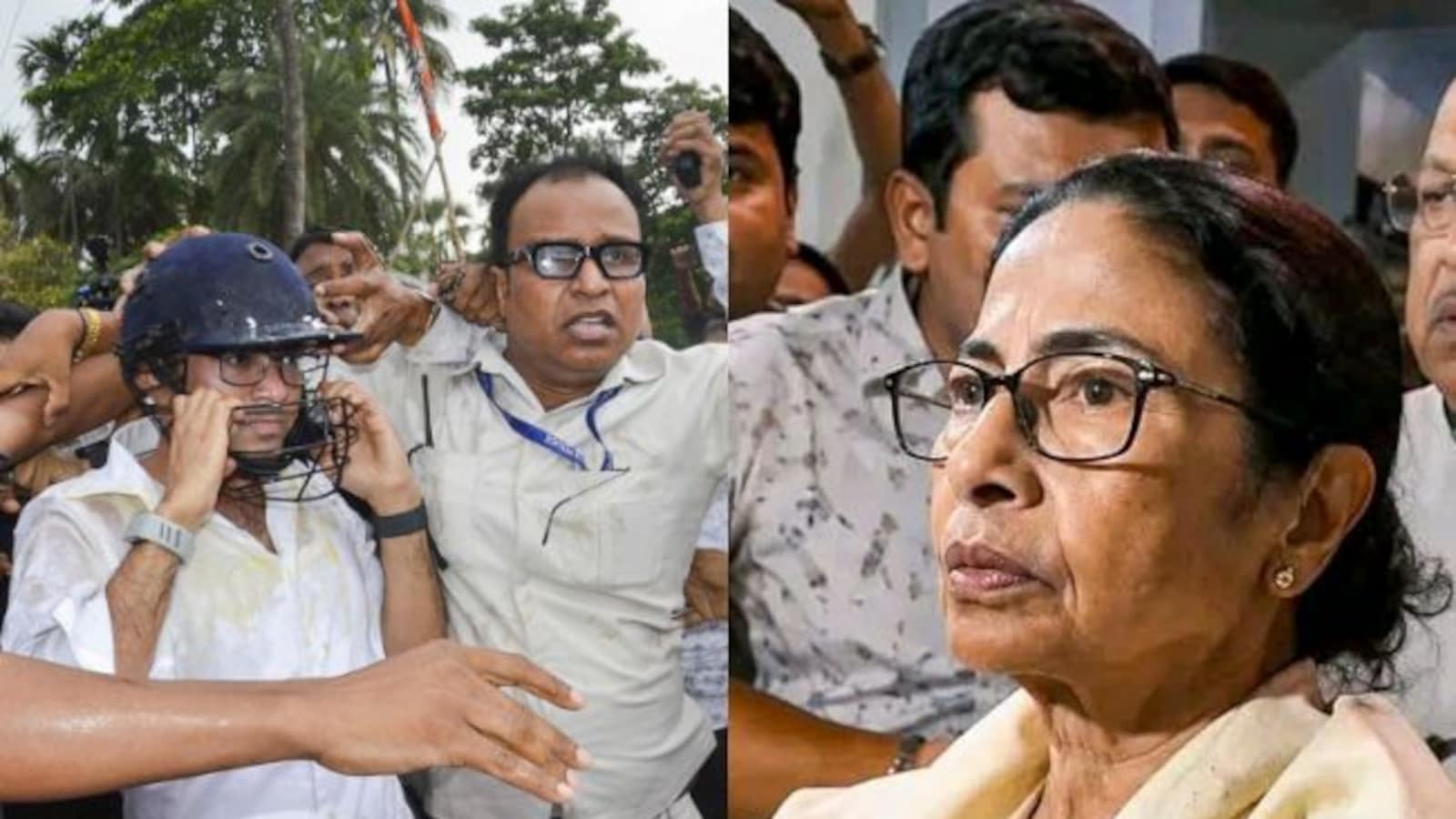
The Trinamool Congress (TMC) in West Bengal is facing significant internal turmoil, with reports of over 50 MLAs meeting to form a separate faction dubbed the 'Asli Trinamool.' This follows the expulsion of two MLAs amid allegations of anti-party activities and a leaked letter revealing a rift between veteran leaders loyal to Mamata Banerjee and a younger faction led by Abhishek Banerjee. Mamata Banerjee has accused the BJP of attempting to destabilize the party through intimidation and inducements, while speculation grows about a Maharashtra-style split within TMC.
First-hand measurement across 5 sources
We measured how 5 outlets covered this story. Coverage leans left-leaning overall (Left 69%, Centre 26%, Right 5%). Overall sentiment is neutral (34/100). Lens Score 32/100 — low public interest.
Outlets analysed (first-hand measurement by TBN's Bias Engine):
- news18— left-leaning framing, neutral sentiment
- english— left-leaning framing, neutral sentiment
- ndtv— left-leaning framing, neutral sentiment
- news18— left-leaning framing, negative sentiment
- republicworld— left-leaning framing, negative sentiment
AI Analysis
The articles present perspectives from both the TMC leadership and dissenting members, highlighting internal party conflicts and allegations against the BJP. Coverage includes statements from Mamata Banerjee defending the party and accusing external interference, as well as claims from suspended leaders about a rebel faction. The framing balances official party positions with reports of dissent and potential realignments, reflecting a range of political viewpoints within West Bengal's political landscape.
The overall tone across the articles is mixed, combining concern over party instability with critical reporting on internal disputes. While some sources emphasize the seriousness of the factional challenges and allegations of intimidation, others focus on the strategic implications and political maneuvering. The sentiment reflects uncertainty and tension without overtly positive or negative bias, capturing the complexity of the unfolding political situation.