Uyghur Activist Criticizes China's Ethnic Unity Law for Impact on Minority Identities
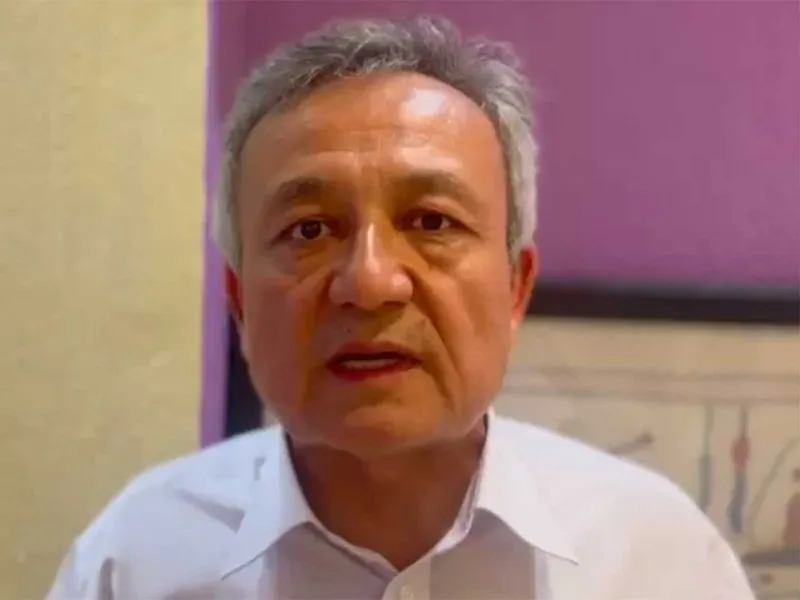
China's Ethnic Unity and Progress Law, effective July 1, 2026, has been criticized by Uyghur activist Dolkun Isa at a UN forum for institutionalizing forced assimilation of non-Han ethnic groups. Isa stated the law promotes a single national identity, marginalizing ethnic languages, religions, and cultures, while increasing state control over education and public life. He warned it could legitimize measures conflicting with the UN Declaration on the Rights of Indigenous Peoples and exacerbate issues like forced labor and family separations among Uyghurs and Tibetans.
First-hand measurement across 2 sources
We measured how 2 outlets covered this story. Coverage leans left-leaning overall (Left 70%, Centre 30%, Right 0%). Overall sentiment is negative (25/100). Lens Score 37/100 — moderate-to-low public interest.
Outlets analysed (first-hand measurement by TBN's Bias Engine):
- news18— left-leaning framing, negative sentiment
- thetribune— left-leaning framing, negative sentiment
AI Analysis
The articles primarily present the perspective of Uyghur activists critical of China's ethnic policies, focusing on concerns about assimilation and cultural suppression. There is limited representation of the Chinese government's viewpoint or official explanations, resulting in a coverage centered on human rights critiques and indigenous rights frameworks.
The tone across the articles is predominantly critical and concerned, highlighting alleged negative impacts of the law on Uyghur and Tibetan communities. The sentiment reflects apprehension about cultural erosion and human rights violations, without positive or neutral assessments of the legislation.
How 2 sources covered this story
Each source's own headline, political lean, and sentiment — so you can see framing differences at a glance.