US Military Implements Annual Testosterone Screening for Service Members Over 30
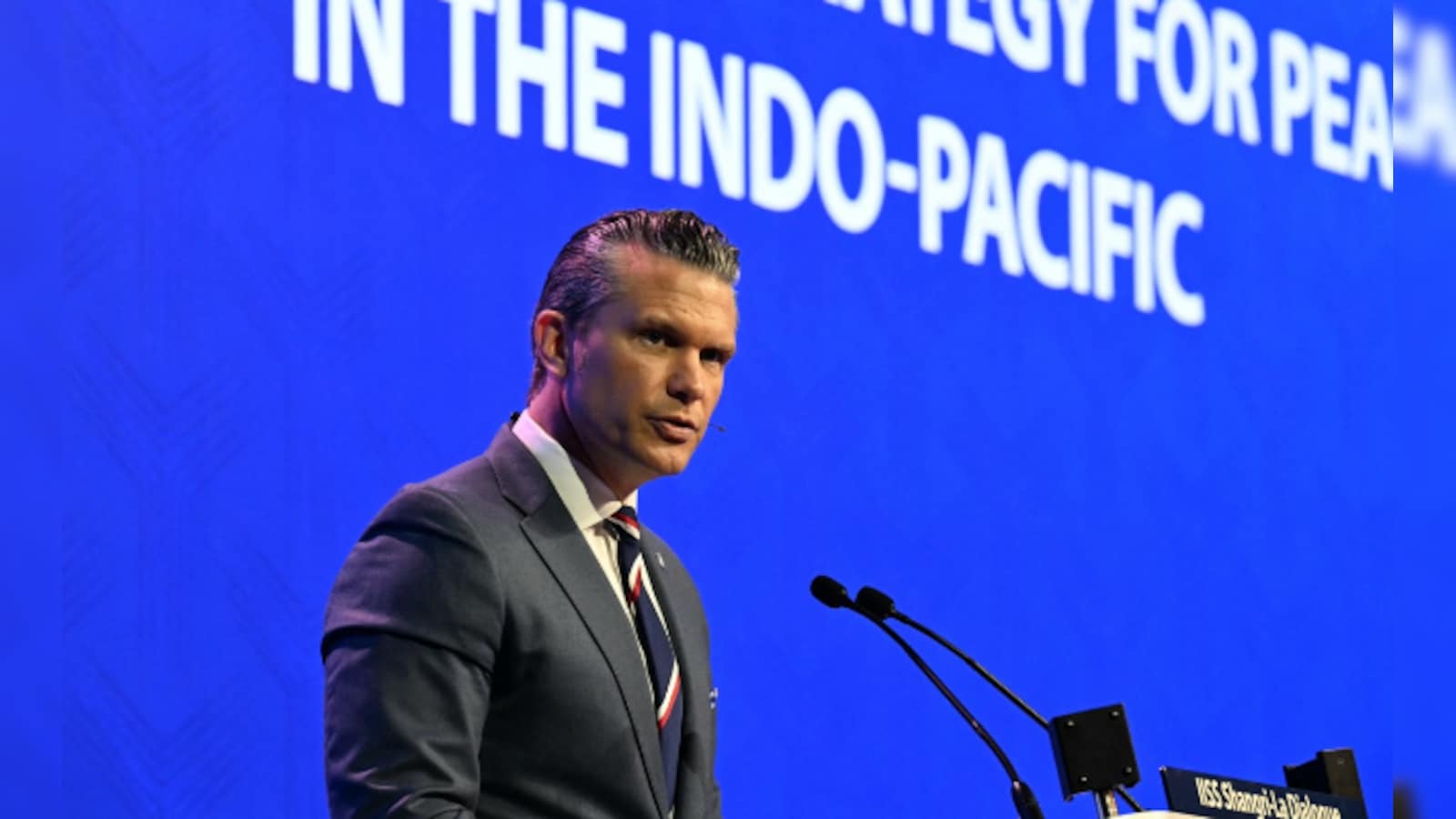
US Defense Secretary Pete Hegseth announced a new policy requiring annual testosterone deficiency screenings for all active-duty and reserve service members aged 30 and above as part of their routine health assessments. Troops under 30 may opt for voluntary testing. The initiative aims to identify low testosterone levels that could affect physical and mental readiness, offering voluntary testosterone replacement therapy where medically appropriate. The program emphasizes restoring natural hormone levels to maintain combat effectiveness and long-term health. Some opposition voices have raised concerns linking the policy to broader debates on gender and military inclusion.
First-hand measurement across 15 sources
We measured how 15 outlets covered this story. Coverage leans balanced overall (Left 34%, Centre 64%, Right 2%). Overall sentiment is neutral (44/100). Lens Score 30/100 — low public interest.
Outlets analysed (first-hand measurement by TBN's Bias Engine):
- thehindu— balanced framing, neutral sentiment
- economictimes— balanced framing, neutral sentiment
- economictimes— balanced framing, neutral sentiment
- freepressjournal— left-leaning framing, neutral sentiment
- ndtv— left-leaning framing, neutral sentiment
- moneycontrol— balanced framing, neutral sentiment
- wion— balanced framing, neutral sentiment
- thetribune— balanced framing, neutral sentiment
AI Analysis
The article group presents perspectives primarily from official US Defense Department sources emphasizing military readiness and health optimization. Opposition viewpoints, mainly from Democratic politicians, highlight concerns about the policy's implications for transgender service members and gender-related military policies. Coverage includes both supportive framing of the initiative as a health measure and critical views linking it to broader ideological debates within the military.
The overall tone across the articles is mixed but largely neutral, focusing on factual reporting of the new screening policy and its intended health benefits. Positive sentiment appears in descriptions of improved troop readiness and medical care, while negative or critical sentiment arises from opposition reactions and concerns about potential gender discrimination. The coverage balances these sentiments without overt editorializing.