European Leaders Criticize China’s Ethnic Unity Law Over Minority Rights Concerns
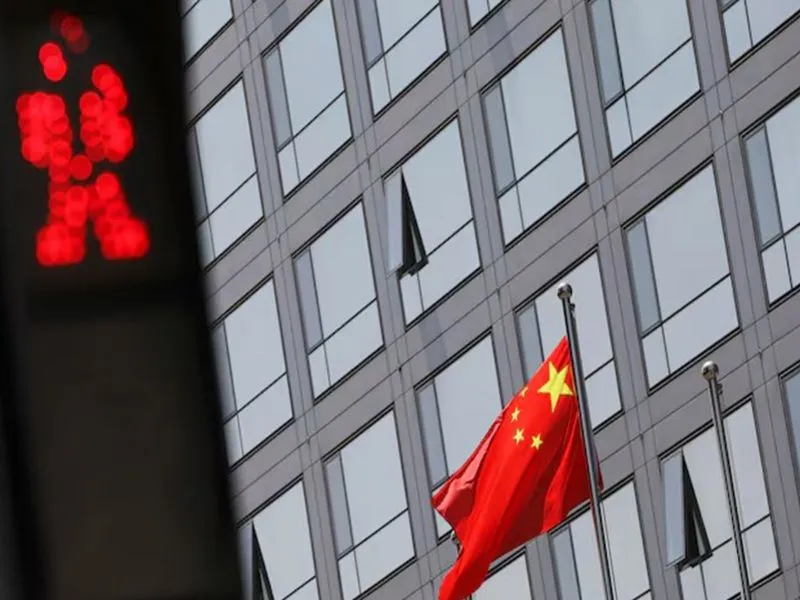
European leaders and lawmakers have increased criticism of China's Ethnic Unity and Progress Law, which took effect on July 1, citing concerns that it undermines the cultural, linguistic, and religious identities of Tibetans and other ethnic minorities. The European Parliament adopted a resolution condemning the law for promoting forced assimilation and called for its repeal. Officials highlighted issues including restrictions on minority languages, cultural erosion, and human rights violations, urging transparency on matters like the 11th Panchen Lama's whereabouts.
First-hand measurement across 2 sources
We measured how 2 outlets covered this story. Coverage leans left-leaning overall (Left 70%, Centre 30%, Right 0%). Overall sentiment is negative (30/100). Lens Score 42/100 — moderate-to-low public interest.
Outlets analysed (first-hand measurement by TBN's Bias Engine):
- news18— left-leaning framing, negative sentiment
- thetribune— left-leaning framing, negative sentiment
AI Analysis
The articles primarily reflect European political perspectives critical of China's legislation, emphasizing human rights and cultural preservation concerns. They include viewpoints from multiple European parties and institutions, such as the European Parliament and Commission, without presenting China's official stance. The framing centers on opposition to the law and its perceived impact on ethnic minorities, reflecting a Western institutional viewpoint.
The overall tone across the articles is critical and concerned, focusing on the negative implications of the law for ethnic minorities' rights and cultural identity. The sentiment is predominantly negative toward the legislation, highlighting issues like forced assimilation and human rights violations, while maintaining a formal and factual reporting style without emotive language.