Skip to content
Get the Balanced News app for a better experience!
The Balanced News Logo
Analytics
The Balanced News Logo

Stay Balanced, Stay Informed

Menu
  • Browse News
  • Underreported Stories
  • Curated Feeds
  • Insights
  • Analytics
  • Our Writers
  • About Us
  • Download App
Learn
  • How It Works
  • Bias Detection
  • Lens Score
  • Source Bias Checker
  • Accountability
  • Custom Feeds
Newsroom
  • Writers & Analysts
  • About TBN
  • Editorial Standards
  • Corrections Policy
  • Our Partners
  • Insights
Socials
  • Youtube
  • Instagram
  • X
  • Facebook
News Categories
  • Trending
  • Politics
  • Sports
  • Business
  • Tech
  • Entertainment
  • Health
  • Science
  • Crime
  • Lifestyle
  • National
  • International
  • Good News
  • Crypto

Get Our App

Available for iOS and Android


LensFeedsInsightsAnalyticsTrendingGood NewsSportsPoliticsBusinessCrimeTechEntertainmentHealthNationalInternational

© 2026 The Balanced News. All rights reserved.

About UsEditorial StandardsCorrectionsHelp & SupportPrivacy PolicyTerms & Conditions
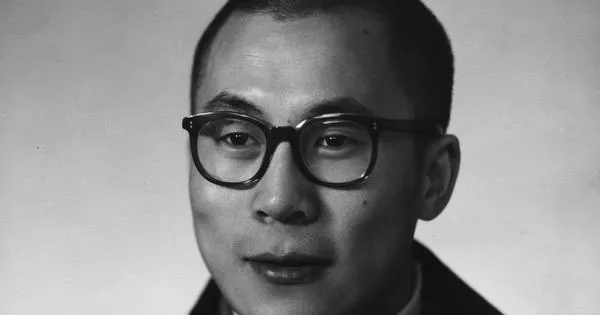
Dalai Lama's 1950s Meetings with Mao and Nehru Shape Tibet's Political Future
Categories

Categories

Related Coverage

Select a news story to see related coverage from other media outlets.

Related Coverage

Select a news story to see related coverage from other media outlets.

  1. Home
  2. /
  3. Politics

Dalai Lama's 1950s Meetings with Mao and Nehru Shape Tibet's Political Future

Analysed 6 Jul 2026·2 sources analysed·China·Politics
Dalai Lama's 1950s Meetings with Mao and Nehru Shape Tibet's Political FuturePreviousNext

In the mid-1950s, the Dalai Lama engaged in significant diplomatic interactions amid rising tensions over Tibet. In 1955, Mao Zedong advised him on governance but expressed critical views on religion, causing the Dalai Lama concern. By 1956, after attending Buddha Jayanti celebrations in India, the Dalai Lama decided it was unsafe to return to Tibet, discussing this with Prime Minister Jawaharlal Nehru. He chose to remain in India to seek international support and advocate for Tibet amid Chinese policies.

TBN's observations

First-hand measurement across 2 sources

We measured how 2 outlets covered this story. Coverage leans balanced overall (Left 20%, Centre 75%, Right 5%). Overall sentiment is neutral (50/100). Lens Score 24/100 — low public interest.

Outlets analysed (first-hand measurement by TBN's Bias Engine):

  • indianexpress— balanced framing, neutral sentiment
  • scrollin— balanced framing, neutral sentiment
Political Bias
20%75%5%
Sentiment
50%
AI analysis of 2 sources · Published under editorial oversight by The Balanced News
Analysed 6 Jul 2026· How this analysis is produced· Editorial standards· Corrections

AI Analysis

Political bias across 2 sources
● Left 20%● Center 75%● Right 5%

The articles present perspectives focusing on historical diplomatic exchanges involving the Dalai Lama, Mao Zedong, and Jawaharlal Nehru without overt political bias. They highlight Chinese leadership's critical stance on Tibetan religion and Indian leadership's sympathetic approach. The coverage balances Chinese governmental views and Tibetan exile perspectives, reflecting a nuanced portrayal of complex geopolitical relations.

Sentiment — Neutral (50/100)

The tone across the articles is measured and reflective, emphasizing the gravity of the Dalai Lama's decisions and the tense political environment. While Mao's remarks introduce a critical and somewhat foreboding sentiment, the narrative also conveys hope through the Dalai Lama's efforts to garner international support. Overall, the sentiment is mixed, combining concern with cautious optimism.

How 2 sources covered this story

Reviewed byPrajakta Kale· Political Analyst· Edited byOjas Kale
← Previous
Trump Reiterates US Control Claim Over Greenland Amid NATO Summit Tensions
Next →
US Launches Strikes on Iran Following Attacks on Commercial Ships in Strait of Hormuz

Each source's own headline, political lean, and sentiment — so you can see framing differences at a glance.

SourceTheir headlineBiasSentiment
indianexpressThe day Jawaharlal Nehru told the Dalai Lama to return to Tibet: Book ExcerptCenterNeutral
scrollinFrom the biography: How meeting Mao Zedong in 1955 made the Dalai Lama recognise the threat to TibetCenterNeutral

Coverage timeline

scrollin broke this story on 6 Jul, 08:05 am. Other outlets followed.

  1. 1
    scrollin6 Jul, 08:05 am
    From the biography: How meeting Mao Zedong in 1955 made the Dalai Lama recognise the threat to Tibet
  2. 2
    indianexpress6 Jul, 01:23 pm
    The day Jawaharlal Nehru told the Dalai Lama to return to Tibet: Book Excerpt

Lens Score breakdown

24/100
Public interest0/100
Coverage gap100%

Well-covered story — coverage matches public importance.

Who's involved

Institutions and figures named across source coverage.

Government
Prime Minister Jawaharlal NehruChinese Premier Zhou EnlaiIndian Government
Religious
Dalai LamaPanchen Lama

Story context

Category
Politics
Location
China
Sources analysed
2
Last analysed
6 Jul 2026
Key entities
Dalai LamaMao ZedongTibetChinaTibetan people14th Dalai LamaCelibacyNunMonkDharmaThe BuddhaMonasticism