Pakistan Military Vows to Defend Water Rights Amid Indus Waters Treaty Suspension
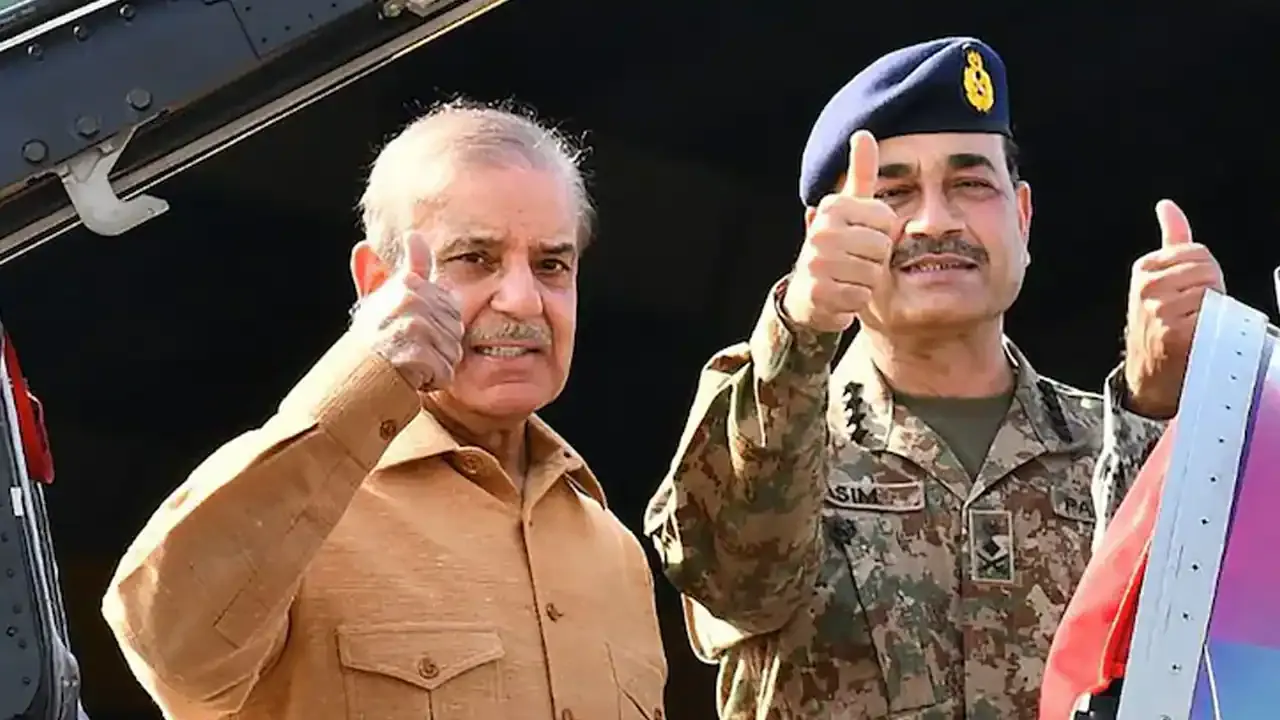
Following India's suspension of the Indus Waters Treaty after the April 2025 Pahalgam terror attack, Pakistan's military, led by Chief of Defence Staff Field Marshal Asim Munir, pledged to take all necessary measures to secure Pakistan's water share under the treaty. Pakistan's National Security Committee has declared any attempt to divert water as an act of war. India maintains the treaty's suspension until Pakistan ceases support for cross-border terrorism. Experts emphasize defending the treaty through diplomacy and technical engagement to protect long-term water security.
First-hand measurement across 6 sources
We measured how 6 outlets covered this story. Coverage leans balanced overall (Left 30%, Centre 62%, Right 8%). Overall sentiment is neutral (35/100). Lens Score 29/100 — low public interest.
Outlets analysed (first-hand measurement by TBN's Bias Engine):
- httpswwwoutlookindiacom— balanced framing, neutral sentiment
- moneycontrol— balanced framing, neutral sentiment
- wion— balanced framing, negative sentiment
- news18— balanced framing, negative sentiment
- news18— balanced framing, negative sentiment
- indiatoday— balanced framing, negative sentiment
AI Analysis
The articles present perspectives from both Pakistan and India, highlighting Pakistan's military and government stance on protecting water rights under the treaty and India's position linking treaty suspension to security concerns over terrorism. Pakistani officials emphasize sovereignty and security, while Indian sources stress conditions for treaty resumption. Expert commentary advocates diplomatic and legal approaches, reflecting a balanced representation of the dispute's political dimensions.
The overall tone is serious and cautious, reflecting heightened tensions between India and Pakistan over water sharing. Pakistan's firm commitments and India's conditional suspension convey a confrontational but measured stance. Expert views introduce a pragmatic tone focused on diplomacy and long-term water security, resulting in a mixed sentiment that combines concern with calls for resolution.