2 hours agoPolitics
28LENS
2 SourcesIran
 thebalanced.news
Iran's Nationwide Internet Blackout Enters 30th Day Amid Conflict
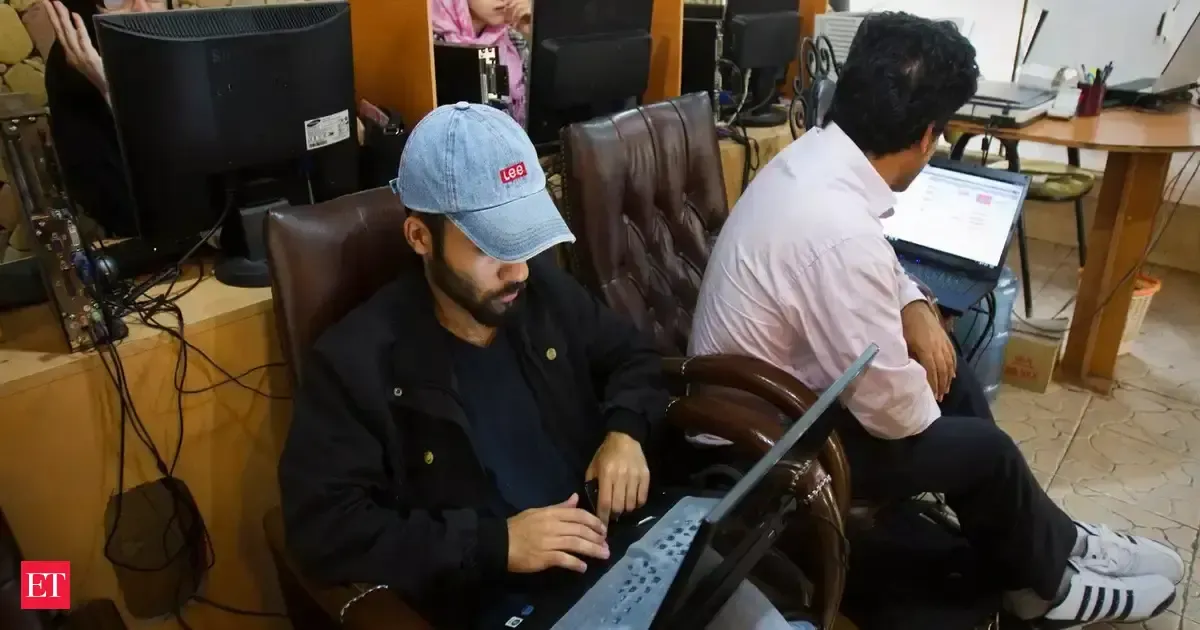
Iran's nationwide internet blackout has entered its 30th day amid ongoing conflict with the United States and Israel, severely restricting access to the global internet while domestic intranet services remain operational. Millions of Iranians rely on state-controlled platforms and costly alternatives to communicate, facing challenges in accessing independent news and staying connected with family abroad. Some report increased stress and uncertainty about the blackout's duration, with limited communication options primarily through local apps and occasional VPN use.
Political Bias
5%93%2%
Sentiment
30%
21 stories available
View AI Analysis
Bias Analysis: The articles present perspectives focusing on the impact of the internet blackout on Iranian citizens without attributing blame or political judgment. They include views from affected individuals and monitoring groups, highlighting government-imposed restrictions amid conflict. The coverage reflects concerns about censorship and communication challenges, representing both the state's control measures and citizens' experiences without partisan framing.
Sentiment: The overall tone is somber and concerned, emphasizing the difficulties faced by Iranians due to restricted internet access during a conflict. The sentiment reflects stress and uncertainty among the population, with no overtly positive or negative language toward any party. The coverage balances factual reporting with personal accounts, resulting in a predominantly neutral to negative emotional tone focused on hardship.
Lens Score: 28/100 — Story is well-covered by media outlets. Public interest: 0/100. Coverage gap: 100%.
Related Coverage
Select a news story to see related coverage from other media outlets.