1 hour agoPolitics
41LENS
3 SourcesKathmandu, Nepal
 thebalanced.news
Nepal's Federalism Debates and Youth-Led Political Changes Shape New Landscape
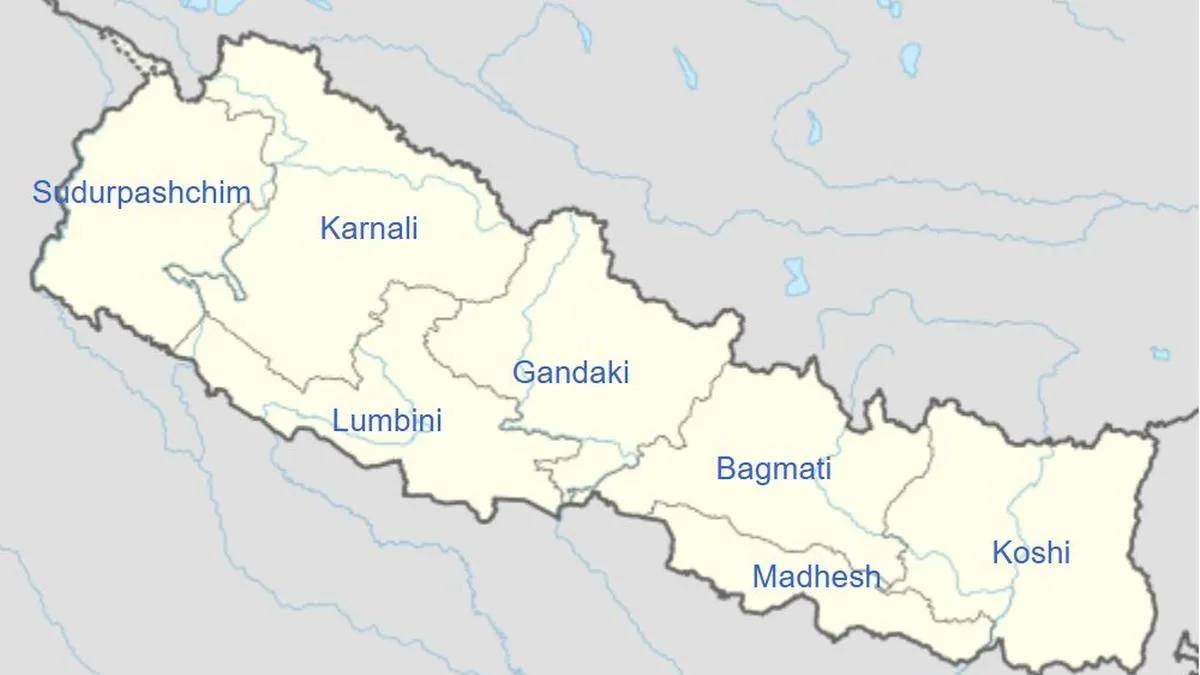
Nepal's political landscape is undergoing significant change marked by ongoing debates over federalism and the rise of youth-led movements. Despite the 2015 Constitution establishing seven provinces, fiscal autonomy remains limited, with leaders like Rastriya Swatantra Party's Balendra Shah advocating for stronger provincial powers. The September 2025 Gen Z protests challenged traditional politics through digital activism and public demonstrations, leading to political upheaval and the emergence of new parties like the RSP, which now hold governmental roles. These developments reflect evolving demands for identity, empowerment, and democratic renewal amid tensions between centralized authority and regional aspirations.
Political Bias
47%46%7%
Sentiment
42%
21 stories available
View AI Analysis
Bias Analysis: The articles present multiple perspectives including government officials, youth activists, and emerging political parties like the Rastriya Swatantra Party. Coverage highlights tensions between centralized governance and provincial autonomy, as well as critiques of traditional parties by younger generations. The framing balances the establishment's views with those of protestors and new political actors, reflecting a spectrum from institutional to reformist positions without privileging any single viewpoint.
Sentiment: The overall tone is mixed, combining critical assessments of Nepal's federalism challenges and political unrest with cautious optimism about youth engagement and political renewal. While the protests and disruptions are described as shocking and controversial, the rise of new political forces is portrayed as a potential catalyst for change. The sentiment acknowledges both the difficulties and possibilities inherent in Nepal's evolving political moment.
Lens Score: 41/100 — Story is receiving appropriate media attention. Public interest: 0/100. Coverage gap: 90%.
Accountability Flags: abuse of power, systemic failure, public safety issue, rights violation.
Related Coverage
Select a news story to see related coverage from other media outlets.